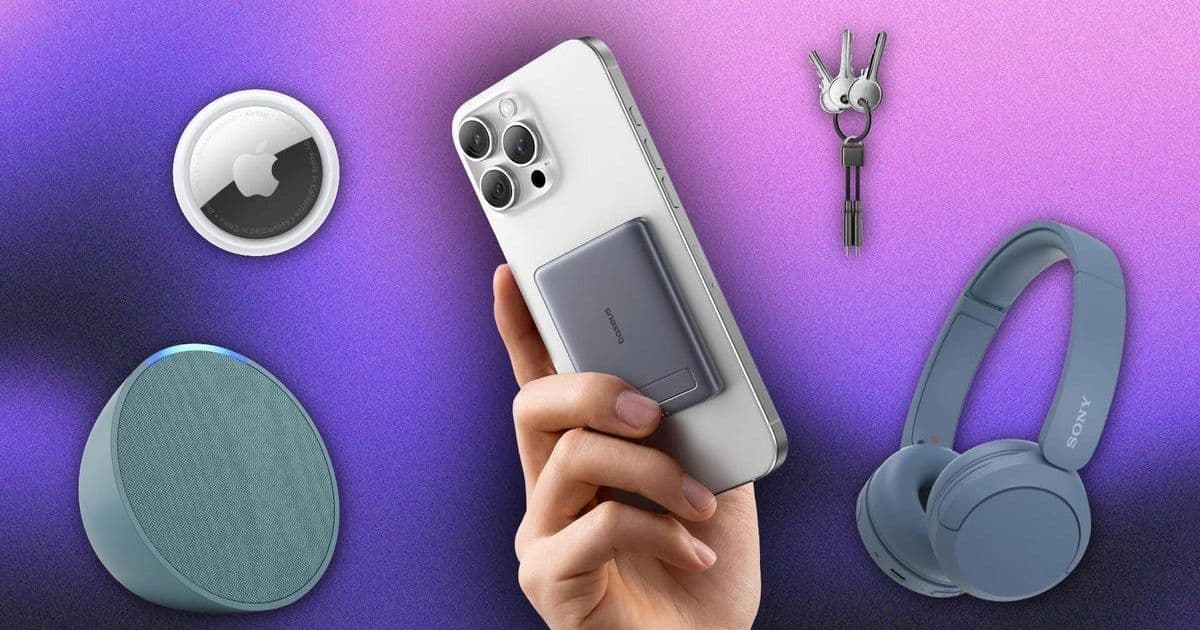
Discover five affordable, student-tested gadgets that solve real campus challenges, from untangling charging woes to tracking lost items. Based on hands-on expertise, these compact tools blend portability with performance, reflecting broader tech trends like Qi2 charging and ultra-wideband tracking.
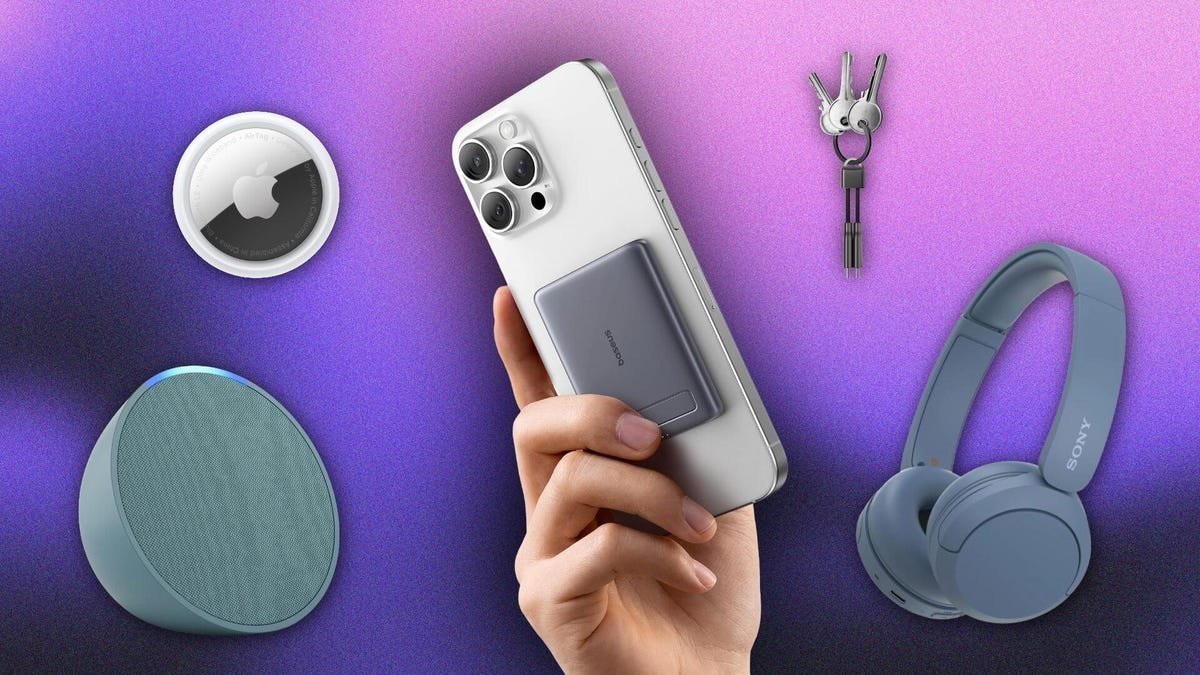
As students gear up for another academic year, the scramble for practical, budget-friendly tech intensifies. Campus life demands gear that’s lightweight, reliable, and versatile—without draining savings. Drawing from extensive testing and real-world use, here are five sub-$50 gadgets that transcend gimmicks to deliver genuine utility, each addressing a core student pain point while showcasing innovations shaping the tech landscape.
1. Nomad ChargeKey: The Tangle-Free Lifeline for On-the-Go Charging
"If you're disorganized like me, the Nomad ChargeKey will be of huge help. It is a compact USB-C to USB-C cable that can be housed in your keyring." — Prakhar Khanna
This 240W USB-C cable isn’t just a charging tool; it’s a triumph of minimalist design. With 10Gbps data transfer speeds, it handles everything from rapid smartphone top-ups to file syncs on a MacBook Air. The electroplated zinc build ensures durability, while the keyring integration eliminates the frustration of tangled wires in crowded backpacks. For developers, it underscores the industry’s push toward universal USB-C standards—making cross-device compatibility a daily reality.
2. Baseus PicoGo AM31 Power Bank: Qi2 Magic in Your Pocket
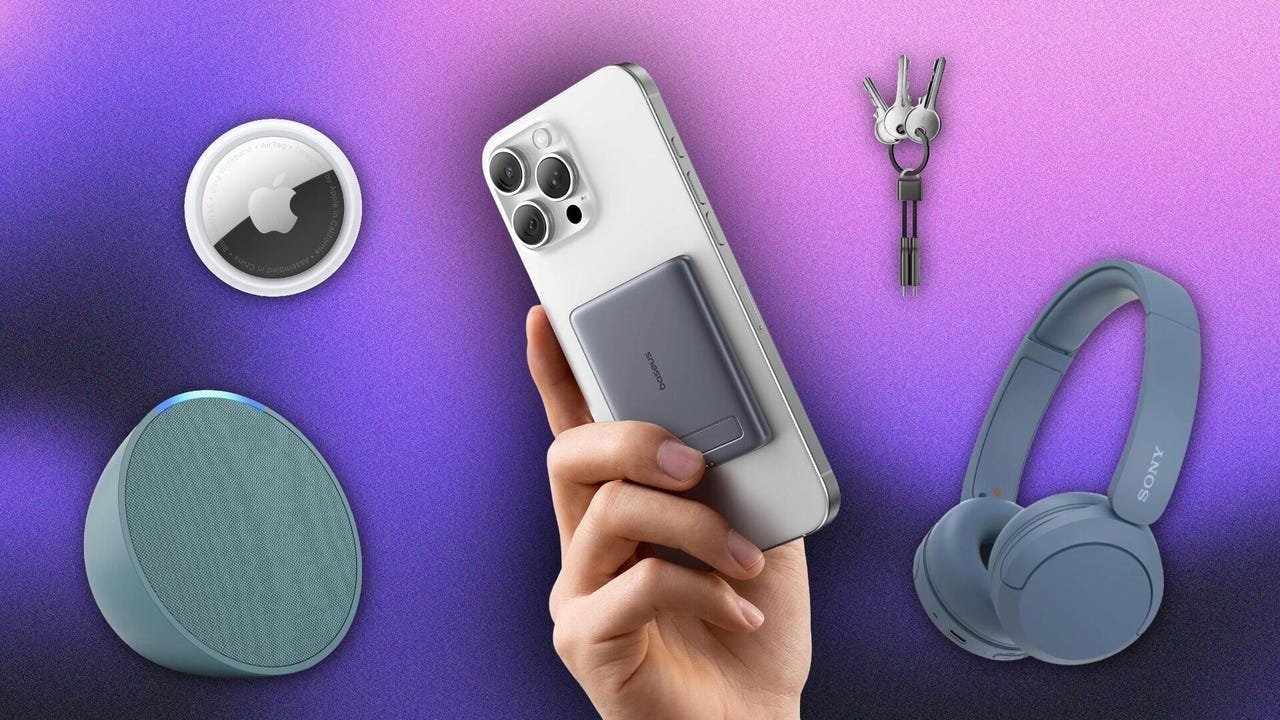
At just 5,000mAh, the Baseus PicoGo AM31 defies its size with 15W Qi2 magnetic charging and a 20W wired option. Its built-in kickstand transforms it into a hands-free media hub—perfect for lecture breaks. What makes it noteworthy is its foresight: with Google’s Pixel 10 series rumored to adopt Qi2, this power bank exemplifies the move toward interoperable wireless charging. For students, it’s a pocket-sized safeguard against dead devices, emphasizing how tech is shrinking without sacrificing smarts.
3. Apple AirTag: Precision Tracking for the Forgetful Scholar
Priced at $25, the AirTag leverages Apple’s U1 ultra-wideband chip and the vast Find My network to locate lost bags, keys, or wallets with pinpoint accuracy. Its replaceable battery and seamless iOS integration make it a "long-term investment" in peace of mind. Android alternatives like the Chipolo Pop offer similar functionality via Google’s Find My Device network, highlighting a broader industry shift toward cross-platform item tracking. For students in chaotic environments, it’s a small device with outsized implications for asset security.
4. Sony WH-CH520 Headphones: Lightweight Audio for Sustained Focus
Sony’s WH-CH520 headphones prioritize practicality with 50-hour battery life and rapid charging (90 minutes playback from 5 minutes of power). The on-ear design allows ambient noise awareness—crucial for navigating busy campuses—while delivering robust sound for study sessions. At $38, they represent the sweet spot between affordability and quality, proving that premium audio tech is increasingly accessible. For engineers and developers, it’s a reminder that user-centric design often trumps raw specs.
5. Amazon Echo Pop: Smart Sound for Dorm Productivity
The $40 Echo Pop isn’t just a speaker; it’s a voice-activated assistant that simplifies dorm life with Alexa integration. Its compact size belies impressive volume, ideal for ambient music that, as Sonos research notes, "makes doing chores easier." This gadget embodies the rise of ambient computing—where AI helpers manage mundane tasks, freeing students to focus on coding projects or research. When prices dip to $25, it becomes a no-brainer entry into smart ecosystems.
Why This Matters Beyond the Campus
These gadgets aren’t mere conveniences; they’re microcosms of larger tech evolutions. The ChargeKey and Baseus power bank highlight the USB-C and Qi2 revolutions, reducing cable clutter and enhancing interoperability. The AirTag and Echo Pop showcase how AI and networks are embedding intelligence into everyday objects. For developers, this signals opportunities in creating seamless, user-focused integrations. Ultimately, these tools empower students to navigate academic demands with efficiency, proving that innovation thrives not just in high-end labs, but in the pockets and backpacks of everyday users.
Source: Original Article by Prakhar Khanna, ZDNET.
Comments
Please log in or register to join the discussion