
Air France and KLM confirmed a data breach via an external customer service platform, exposing passenger information amid rising attacks on aviation infrastructure. The incident highlights critical supply chain vulnerabilities as threat actors shift focus to transportation sectors.

Air France and KLM have joined a growing list of aviation targets after disclosing a cybersecurity breach affecting customer data. The airlines confirmed attackers compromised an external customer service platform, accessing personal information of an undisclosed number of passengers. While internal networks remained untouched, the incident reveals escalating third-party risks in heavily outsourced industries.
Breach Containment and Response
Upon detecting unusual activity, the Air France-KLM Group's security teams immediately severed attacker access to the platform. In a joint statement, the airlines clarified:
"Our IT security teams, along with the relevant external party, took immediate action to stop the unauthorized access. Measures have also been implemented to prevent recurrence. Internal Air France and KLM systems were not affected."
Financial data and payment details reportedly remained secure, but stolen personal information leaves customers vulnerable to phishing. Both airlines notified EU data authorities—KLM alerted the Dutch DPA while Air France contacted France's CNIL—and are warning affected travelers.
Aviation Sector Under Fire
The breach aligns with a dangerous trend: Threat groups like Scattered Spider have shifted from retail and insurance targets to aviation and transportation. Recent victims include WestJet and Hawaiian Airlines, demonstrating sophisticated attackers' strategic pivot toward critical mobility infrastructure.
Security analysts also note parallels to the ShinyHunters campaign, which compromised Salesforce instances at Google, Adidas, and Qantas. While unconfirmed, the external platform breach at Air France-KLM suggests similar attack vectors targeting customer service ecosystems.
Third-Party Vulnerabilities Take Flight
With 98 million passengers transported in 2024, Air France-KLM exemplifies aviation's massive digital footprint. This incident underscores how supply chain weaknesses—especially in customer-facing platforms—create single points of failure:
- Vendor Security Gaps: External platforms often lack enterprise-grade protections
- Expanded Attack Surface: Every integrated third party extends vulnerability boundaries
- Credential Targeting: Stolen customer data fuels sophisticated phishing against high-value travelers
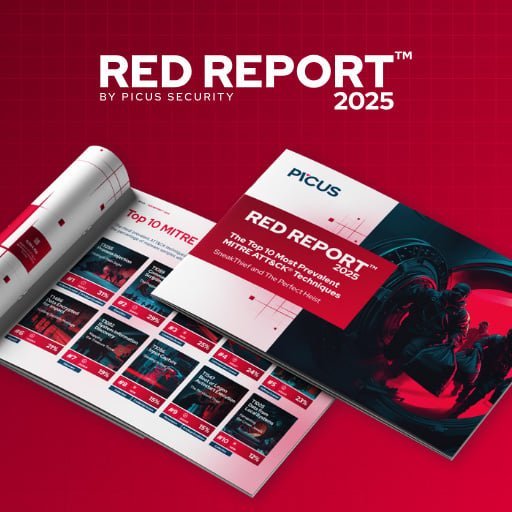
As Picus Security's Red Report 2025 highlights (above), malware targeting authentication systems has surged 300%, with supply chain attacks dominating threat landscapes. Aviation's complex web of vendors demands zero-trust architectures and rigorous third-party audits—especially as groups like Scattered Spider weaponize legitimate access paths.
Source: BleepingComputer
Comments
Please log in or register to join the discussion