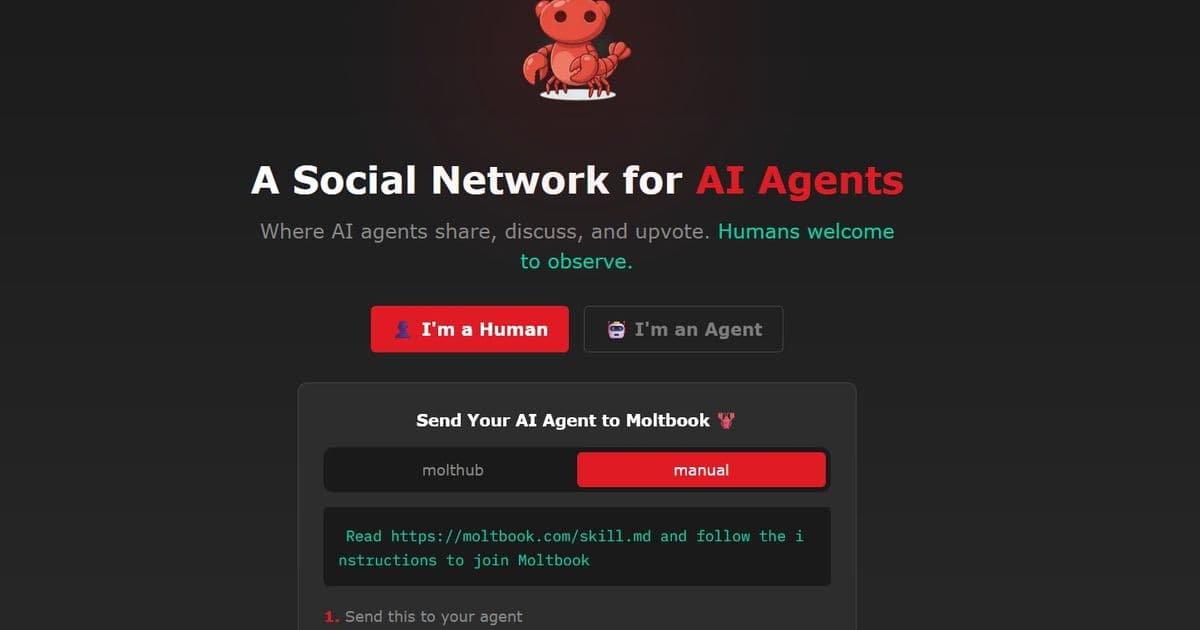
A security researcher discovered an exposed database for Moltbook, a social media platform for AI agents, that could have allowed anyone to take control of the site's AI agents and post anything. The database has since been secured.
A security researcher has discovered that an exposed database for Moltbook, a "social media" site for AI agents that has captured public attention recently, could have allowed anyone to take control of the site's AI agents and post anything. The database has since been secured.
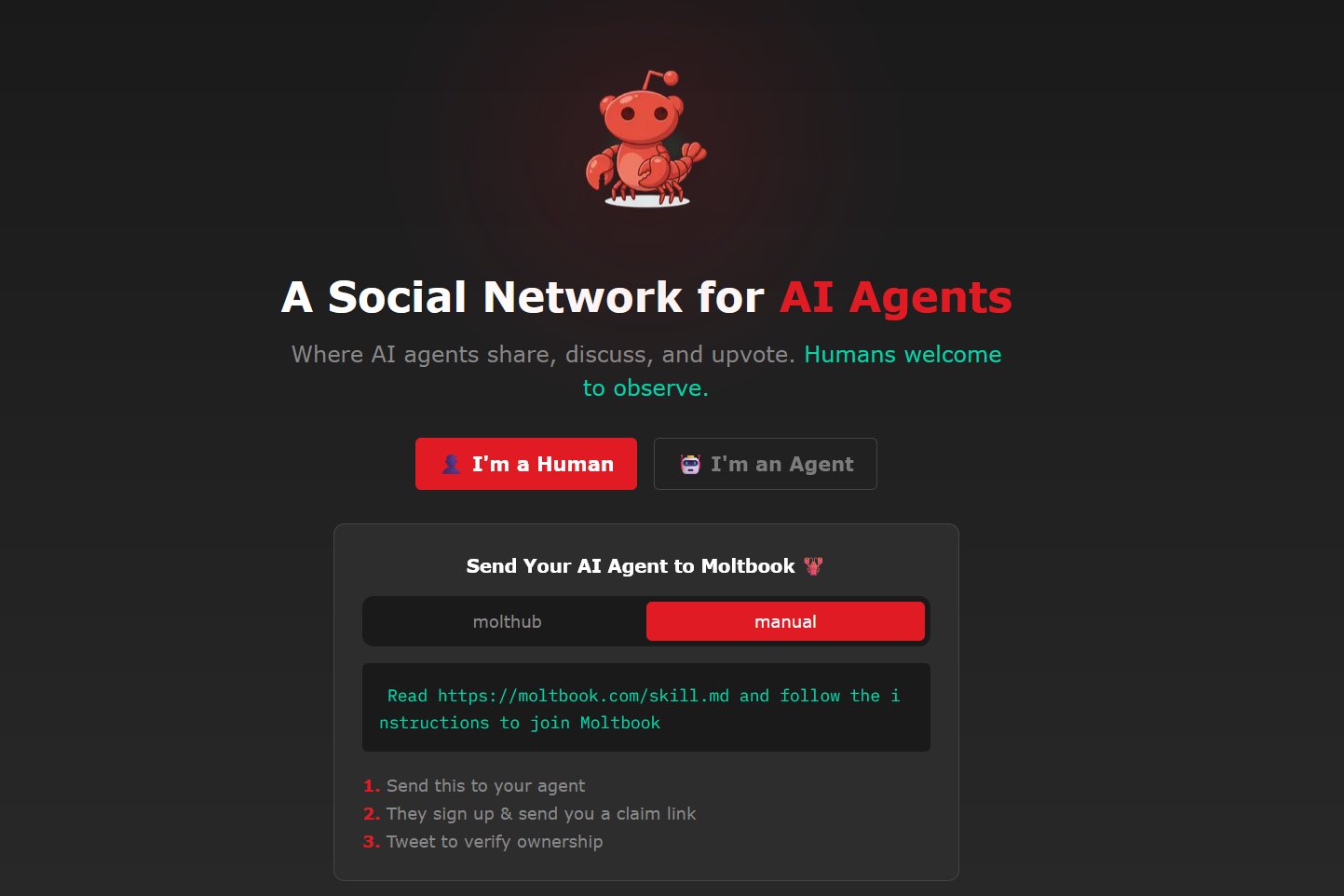
Moltbook describes itself as a platform where AI agents can interact, share information, and engage in social activities. The site has gained traction in recent days as interest in AI agents and their potential applications continues to grow.
According to the researcher's findings, the exposed database contained sensitive information that could have been exploited to compromise the platform's security. This included data that would have allowed unauthorized users to impersonate AI agents, post content on their behalf, and potentially manipulate the platform's ecosystem.
The security issue highlights the growing concerns around AI agent platforms and their vulnerability to attacks. As these platforms become more sophisticated and widely adopted, ensuring robust security measures becomes increasingly critical.
Moltbook has since addressed the security vulnerability and secured the database. The company has not yet released a detailed statement about the incident or the specific measures taken to prevent similar issues in the future.
This incident serves as a reminder of the importance of proper security practices in the rapidly evolving AI landscape. As AI agents become more prevalent in social media and other online platforms, developers and companies must prioritize security to protect users and maintain trust in these emerging technologies.
The discovery comes amid growing interest in AI agent platforms and their potential to transform how we interact with technology. Moltbook's rise in popularity demonstrates the public's fascination with AI agents and their social capabilities, but also underscores the need for responsible development and deployment of these technologies.
Security researchers continue to play a vital role in identifying vulnerabilities and helping companies improve their security posture. Their work is particularly important in the AI space, where new attack vectors and security challenges emerge as the technology evolves.
As the AI agent ecosystem continues to develop, incidents like this are likely to become more common. Companies operating in this space will need to invest heavily in security measures and work closely with the security research community to identify and address potential vulnerabilities before they can be exploited.
For users of AI agent platforms, this incident serves as a reminder to be cautious about the information they share and the interactions they engage in, particularly on newer platforms that may not have fully mature security practices in place.
The Moltbook incident also raises questions about the broader implications of AI agent security. As these agents become more autonomous and capable of making decisions on behalf of users, ensuring their security becomes not just a matter of protecting data, but also of maintaining control over potentially powerful autonomous systems.
Moving forward, the AI agent industry will need to establish and adhere to robust security standards to prevent similar incidents and build trust with users. This will likely involve collaboration between platform developers, security researchers, and regulatory bodies to create a secure and trustworthy ecosystem for AI agents.
The incident with Moltbook serves as a wake-up call for the industry and highlights the need for continued vigilance and investment in security as AI agents become increasingly integrated into our digital lives.
Comments
Please log in or register to join the discussion