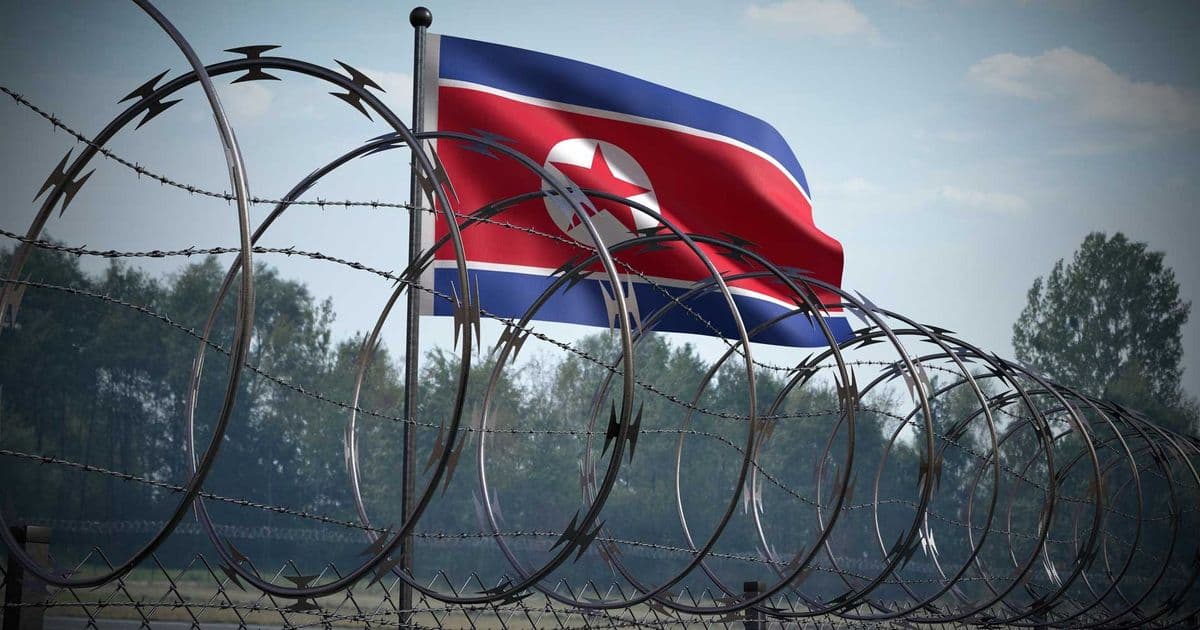
The FBI has issued an advisory warning that North Korean state-sponsored hackers are embedding malicious URLs in QR codes to bypass security controls and steal Microsoft 365, Okta, and VPN credentials from targeted organizations.
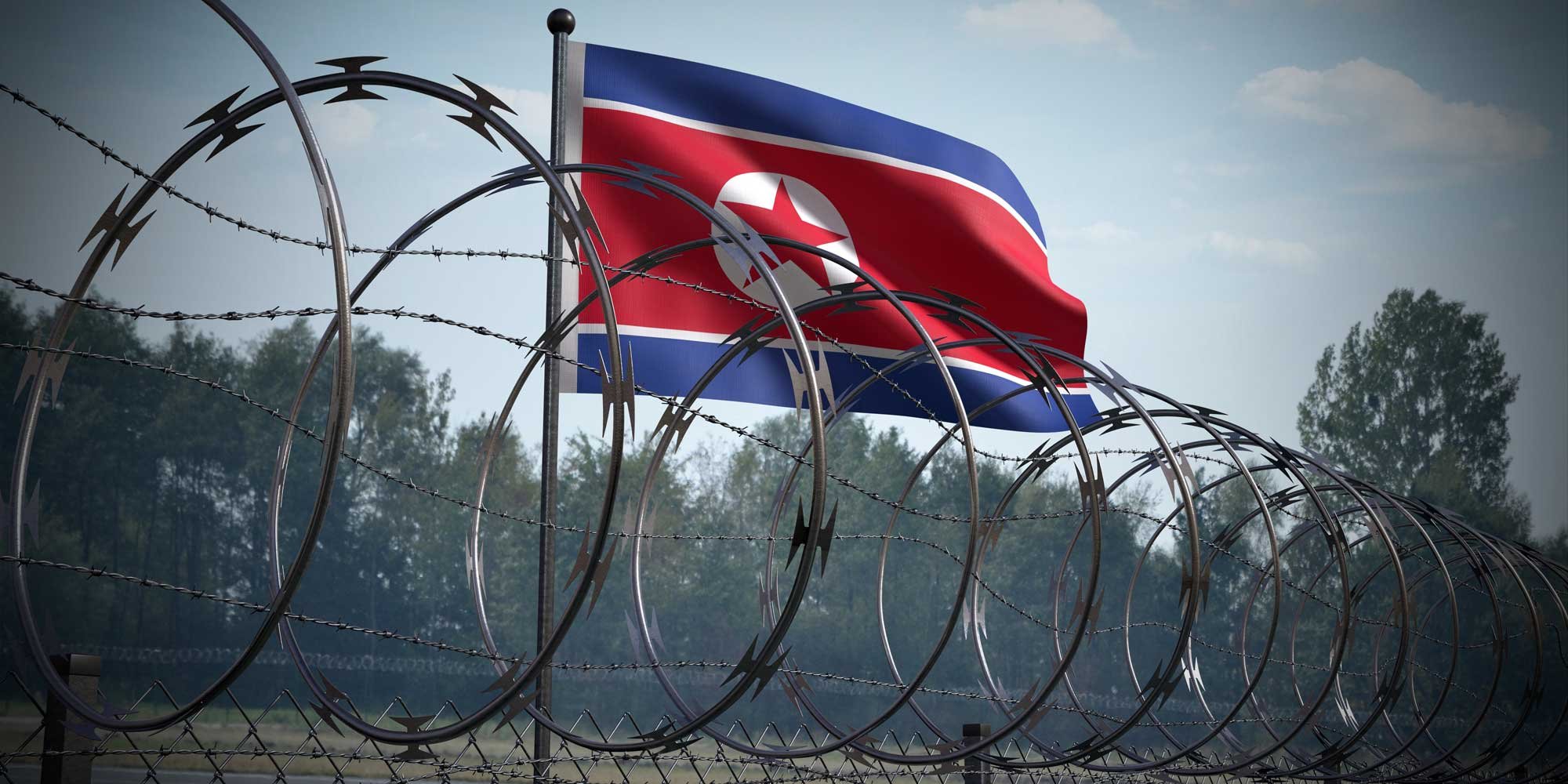
The Federal Bureau of Investigation (FBI) has issued a formal advisory confirming that North Korean state-sponsored threat actors are weaponizing QR codes in sophisticated phishing campaigns targeting enterprise cloud credentials. Designated as the Kimsuky group (also tracked as APT43), these attackers are embedding malicious URLs within QR codes delivered via spear-phishing emails—a technique now termed "quishing."
Attack Methodology and Workflow
- Delivery: Targets receive tailored emails impersonating legitimate communications (event invitations, policy commentary requests)
- QR Code Activation: Embedded QR codes redirect to attacker-controlled domains mimicking Microsoft 365, Okta, or VPN login portals
- Credential Harvesting: Victims unwittingly submit credentials and session tokens when authenticating
- Lateral Movement: Stolen credentials enable persistent access for data exfiltration and internal phishing
Primary Targets
- Think tanks and academic institutions focused on North Korea policy
- U.S. and foreign government agencies handling national security or foreign affairs
- Organizations with cloud infrastructure dependencies
Technical Evasion Advantages QR codes effectively bypass standard security measures:
- Email Filters: Cannot scan graphical QR content
- URL Rewriting Services: Fail to intercept QR-encoded URLs
- Sandbox Analysis: Ineffective against non-executable image formats
- Endpoint Visibility: Scans typically occur on unmanaged mobile devices outside corporate monitoring
Compliance Requirements and Mitigation Timeline
| Action Item | Deadline | |
|---|---|---|
| Immediate | Implement QR code scanning gateways that inspect links before redirection | 30 days |
| Immediate | Deploy conditional access policies blocking unmanaged devices from corporate resources | 45 days |
| Ongoing | Conduct phishing simulations featuring QR code attack vectors | Quarterly |
| Critical | Enforce mandatory MFA with phishing-resistant authenticators (FIDO2/WebAuthn) | 60 days |
Operational Context This campaign aligns with broader North Korean cyber operations patterns. In 2025, researchers observed the KONNI group (linked to Kimsuky via shared infrastructure) abusing Android's "Find My Device" to remotely wipe compromised phones. Both groups consistently target entities involved in DPRK policy analysis.
Practical Defense Recommendations
- Technical Controls: Deploy mobile device management (MDM) solutions with QR inspection capabilities
- Policy Updates: Explicitly prohibit scanning of unsolicited QR codes in security policies
- Training Focus: Incorporate QR phishing examples in security awareness programs
- Authentication Hygiene: Rotate credentials for high-risk accounts and monitor for anomalous logins
The FBI emphasizes that organizational vulnerability stems not from zero-day exploits but from inadequate controls around trusted everyday technologies. Security teams must treat mobile devices as managed endpoints and verify all authentication pathways into cloud environments.
Comments
Please log in or register to join the discussion