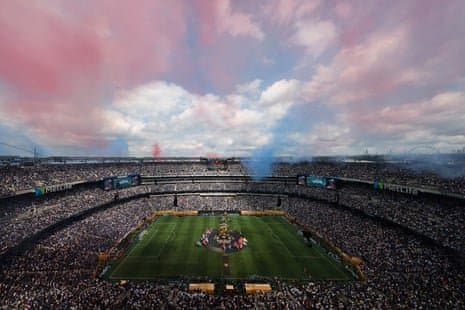
FIFA's 2026 World Cup ticket rollout weaponizes dynamic pricing, blockchain relics, and AI-driven scarcity to monetize fan emotion. With entry-level final tickets starting at $2,030 and NFT 'Right to Buy' schemes collapsing, it exposes how modern ticketing tech enables unprecedented profiteering in global sports.
{{IMAGE:3}}
When FIFA opened 2026 World Cup ticket sales last week, it didn't just launch a sporting event—it deployed a masterclass in extracting maximum revenue through algorithmic exploitation. The system, disguised as a "digital lottery," saw millions of fans trapped in virtual queues while dynamic pricing engines and blockchain-based token schemes transformed fan anticipation into a hedge fund's trading floor. The result? The $2,030 face-value ticket for the final at New Jersey's MetLife Stadium—positioned in the stratosphere—is merely the entry point to a late-capitalist labyrinth where tickets aren't just sold, but speculated upon like commodities.
The Architecture of Scarcity
FIFA's ticket release wasn't a sale—it was a behavioral experiment. By withholding prices until the moment of purchase and implementing AI-managed queues, the organization created artificial scarcity. As developers know well, queue systems can be gamed: bots and bulk buyers vacuumed up lower-priced inventory before human fans even saw the pricing dashboard. FIFA then compounded the outrage by retroactively hiking prices for nine matches after the initial sale—a real-time demonstration of demand-based pricing algorithms typically seen in Uber surge pricing or airline ticket systems.
From NFT Graveyard to Ticket Speculation
FIFA's failed 2022 blockchain venture, FIFA+ Collect, found new life as a predatory ticketing layer. When the NFT market crashed, FIFA rebranded the digital tokens as "Right to Buy" (RTB) passes—essentially $999 lottery tickets for the chance to buy an actual match ticket. As one developer on FIFA's Discord lamented: "They've tokenized hope." The scheme backfired spectacularly when RTB holders discovered they were only eligible for $3,000+ Category 1 seats, triggering a collapse in the secondary NFT market. This represents a cautionary tale in forced technology adoption: repurposing blockchain detritus to create synthetic demand.
The Double-Dip Resale Engine
FIFA didn't just enable scalping—it industrialized it. By abandoning face-value resale caps and launching its own secondary market, FIFA built a self-licking ice cream cone of profiteering:
- Algorithmic price surges: Tickets listed at $2,030 reappeared at $25,000 overnight
- Transaction layering: 15% fees on both buyers and sellers
- Data harvesting: Every flip trains FIFA's pricing models for future events
# Simplified FIFA resale profit calculation
def calculate_profit(original_price, resale_price):
    seller_fee = resale_price * 0.15
    buyer_fee = resale_price * 0.15
    fifa_profit = seller_fee + buyer_fee
    return fifa_profit
# On a $25,000 resale: $3,750 + $3,750 = $7,500 per ticket
This isn't ticketing—it's a high-frequency trading platform disguised as fan access.
The Regulatory Arbitrage
Mexico's intervention—forcing FIFA to cap resale prices on its .mx domain—reveals the system's fragility. While Mexican fans get relative protection, FIFA exploits jurisdictional gaps elsewhere. This regulatory fragmentation creates a digital caste system where consumer safeguards depend on geographic luck—an ominous precedent for global tech platforms.
The Cost of Algorithmic "Inclusion"
FIFA's $3.017 billion ticket revenue target comes at existential cost to football's culture. When stadiums become financialized arenas priced for Silicon Valley executives, the communal chaos that defines football culture evaporates. The technical achievement—real-time dynamic pricing, blockchain integration, AI queue management—becomes a grim case study in how fintech optimizes exclusion. As one supporters' group leader noted: "They've built a World Cup for balance sheets, not fans."
In the end, FIFA's real innovation isn't in the beautiful game, but in monetizing desperation. The algorithms have won—and the world's game now belongs to those who can afford its price.
Comments
Please log in or register to join the discussion