
An eight-month study at a US tech company reveals AI tools didn't reduce workload but instead accelerated work pace and expanded task scope, challenging assumptions about AI's productivity benefits.
An eight-month study at a US tech company reveals that AI tools didn't reduce workload but instead accelerated work pace and expanded task scope, challenging assumptions about AI's productivity benefits.
Key Findings
The Harvard Business Review study tracked employee experiences with AI tools over eight months, finding that rather than lightening workloads, AI tools led to faster work speeds and broader task assignments. Employees reported working more intensively, taking on additional responsibilities that AI made possible.
What Changed
- Work Pace: Employees completed tasks faster with AI assistance
- Task Scope: AI enabled workers to handle a wider range of responsibilities
- Workload Perception: Despite increased efficiency, overall workload didn't decrease
- Skill Requirements: Workers needed to adapt to new AI-driven workflows
Market Context
This finding comes as companies across the tech industry rush to implement AI tools, with OpenAI reporting ChatGPT exceeding 10% monthly growth and testing ads in the US. The study suggests that the productivity gains from AI may be more complex than simply reducing human workload.
What It Means
The research challenges the common narrative that AI will primarily reduce work burdens. Instead, it suggests AI may transform work patterns, requiring employees to work faster while taking on expanded responsibilities. This has implications for workforce planning, training programs, and how companies measure AI's return on investment.
Broader Implications
As AI adoption accelerates across industries, companies may need to reconsider how they implement these tools. The study suggests that successful AI integration requires not just technical deployment but also thoughtful consideration of how it changes work patterns and employee expectations.
The findings come amid broader discussions about AI's impact on the workforce, including debates about job displacement versus job transformation. This research suggests the latter may be more accurate, with AI changing how work is done rather than simply eliminating it.
Related Developments
- OpenAI's ChatGPT continues rapid growth with new ad testing
- Companies like Databricks raise billions at $134B valuations amid AI expansion
- The EU warns Meta over AI chatbot policies, showing regulatory attention to AI deployment
The study provides valuable real-world data on AI's actual impact, contrasting with often optimistic projections about AI-driven productivity gains.
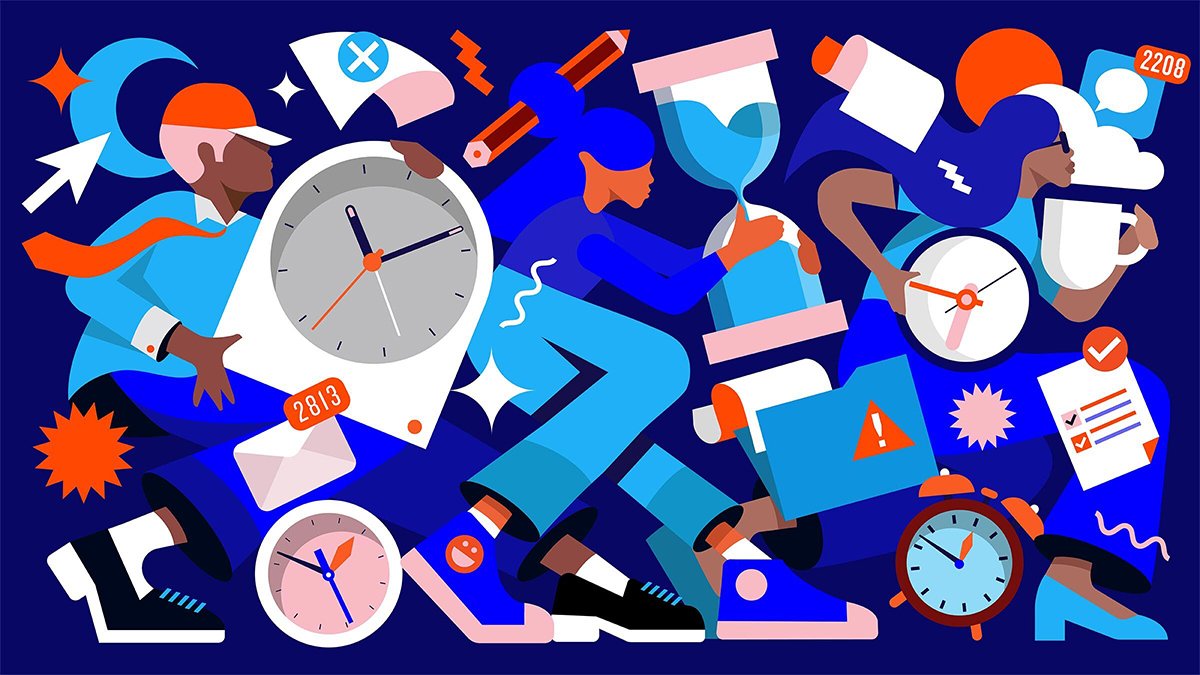
Image: Harvard Business Review study on AI's impact on workplace productivity
Comments
Please log in or register to join the discussion