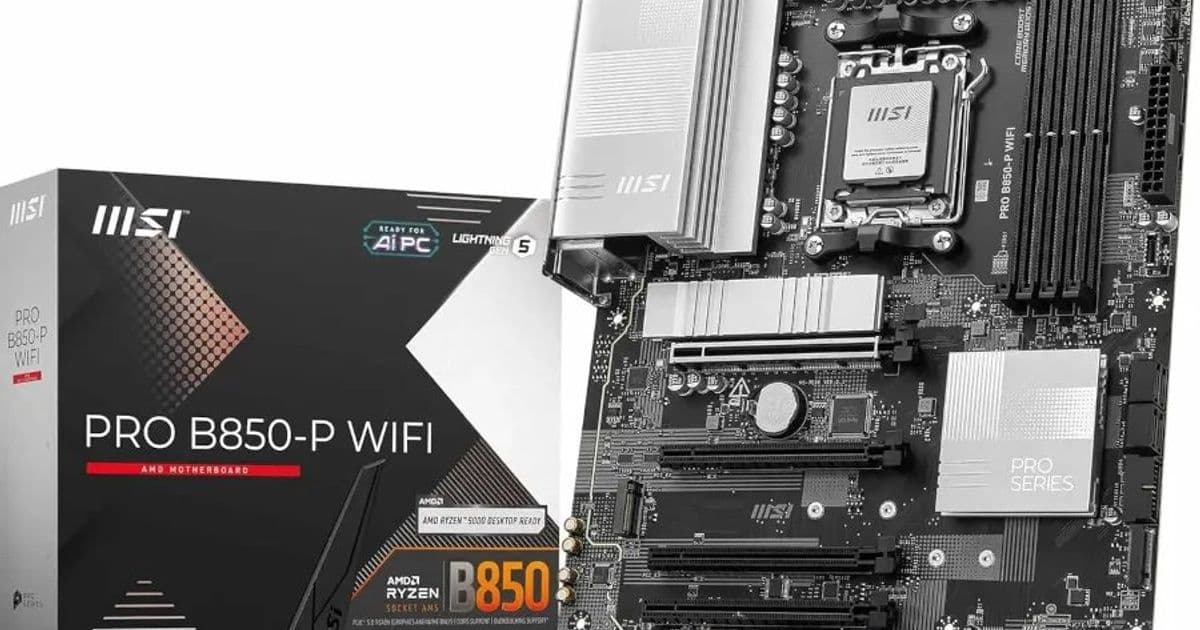
3mdeb is porting AMD's openSIL and Coreboot to the MSI PRO B850-P, bringing open-source firmware to mainstream Ryzen systems.
The open-source firmware landscape for AMD systems is about to get significantly more interesting. 3mdeb, a prominent open-source firmware consulting firm, has announced they're bringing AMD's openSIL silicon initialization code together with Coreboot to the MSI PRO B850-P, a mainstream AM5 consumer motherboard that retails for under $200 USD and is readily available from major retailers like Amazon.
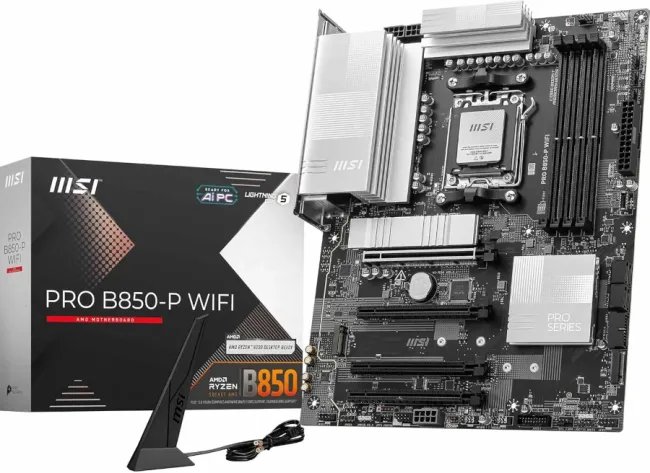
This development represents a major milestone for open-source firmware enthusiasts and Linux desktop users alike. While openSIL has been available since AMD's Zen 4 launch, it has remained largely experimental, primarily targeting AMD's reference board designs. The move to a retail consumer motherboard opens up entirely new possibilities for those wanting to run fully open-source firmware stacks on their Ryzen systems.
The Technical Challenge
The MSI PRO B850-P port is still in early stages, with the team relying on binary blobs for the Platform Security Processor (PSP). This is a common limitation in open-source firmware development, as the PSP handles critical security functions that AMD hasn't yet open-sourced. However, the fact that the core openSIL and Coreboot stack is functioning on this hardware is a significant achievement.
3mdeb is leveraging their Dasharo downstream of Coreboot to facilitate development. Dasharo provides additional tooling and management capabilities that make the development process more manageable. The goal is to eventually upstream this support into the mainline Coreboot project, making it available to the broader community.
Why This Matters
For years, open-source firmware on AMD systems has been limited to either expensive server boards or experimental reference designs. The ability to run openSIL and Coreboot on a mainstream AM5 motherboard like the MSI PRO B850-P means that enthusiasts can now experiment with fully open firmware on hardware they can actually purchase and use as their daily driver.
This is particularly relevant for the AMD Ryzen 9000 series, which represents the current generation of high-performance desktop processors. Being able to pair these CPUs with open-source firmware provides transparency and potentially better security through code that can be audited and modified by the community.
The Bigger Picture
The timing of this work is interesting, as it comes while AMD's openSIL project is still working toward production readiness for Zen 6 platforms. The eventual goal is for openSIL to replace AGESA (AMD Generic Encapsulated Software Architecture) entirely, providing a fully open alternative for CPU initialization and system bring-up.
3mdeb's experience with this type of work is substantial. In 2022, they successfully ported Coreboot/Dasharo to an Intel Alder Lake motherboard, the MSI PRO Z690-A WIFI. That project demonstrated the feasibility of bringing open-source firmware to modern consumer platforms and provided valuable experience that's now being applied to the AMD ecosystem.
What's Next
Details on the ongoing development can be found on 3mdeb's blog, where they're documenting their progress and challenges. The community will be watching closely as this project matures, particularly for the eventual release of Dasharo builds that can be tested on actual hardware.
For those interested in experimenting with open-source firmware on their AMD systems, this development represents an exciting opportunity. The MSI PRO B850-P offers a relatively affordable entry point into the world of open firmware, with the potential for full transparency and customization that closed-source BIOS implementations simply cannot match.
As this work progresses toward upstream integration and broader availability, it could mark the beginning of a new era for open-source firmware on AMD platforms, bringing the benefits of transparency, security, and community-driven development to a much wider audience of desktop users.
Comments
Please log in or register to join the discussion