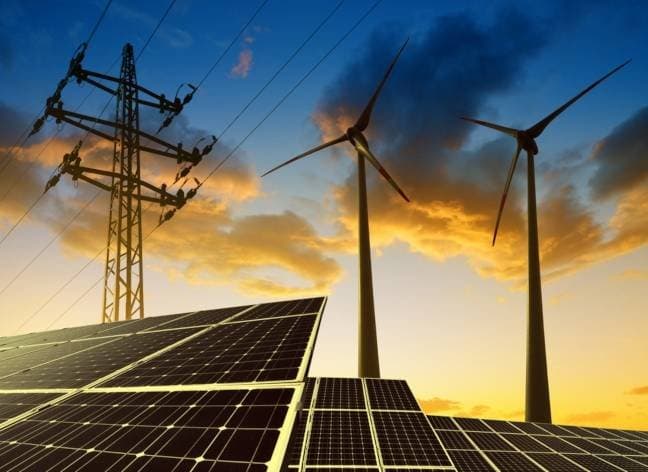
Google partners with TotalEnergies to build massive solar farms in Texas, securing 28TWh of renewable energy to power its unprecedented $185 billion AI datacenter expansion
Google is making a massive bet on AI infrastructure, announcing plans to invest up to $185 billion in new datacenters this year alone. To power this unprecedented expansion, the tech giant has signed a 15-year power purchase agreement (PPA) with French energy giant TotalEnergies to build 1 gigawatt of solar capacity across two new facilities in Texas.
The Scale of Google's Solar Expansion
The agreement will see TotalEnergies construct two solar farms in central and north-central Texas. The Wichita site will generate 805 MWp of capacity, while the Mustang Creek facility will add another 195 MWp. Together, these installations are expected to produce approximately 28 terawatt-hours of renewable electricity over the life of the contract.
This represents a significant expansion of TotalEnergies' renewable footprint in the United States, where the company currently operates around 10 gigawatts of solar, wind, and battery storage capacity. The solar farms are scheduled to break ground in the second quarter of 2026.
Why Texas?
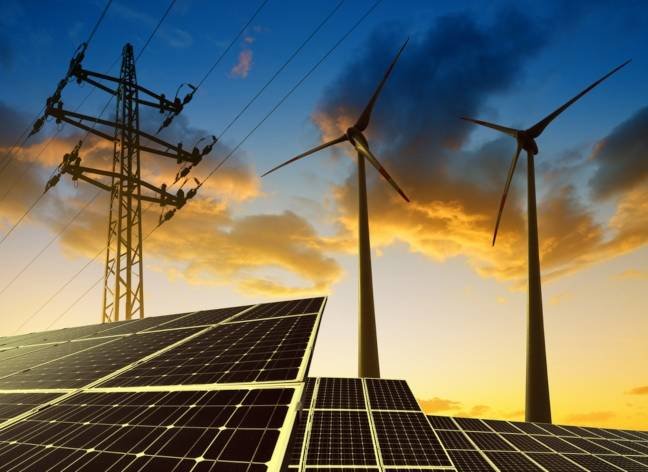
Texas offers ideal conditions for solar energy production. According to the National Renewable Energy Laboratory, solar farms in the state receive between 4.75 and 5.25 kilowatt-hours per square meter per day of solar radiation on average - better than most other states in the US. This makes Texas an attractive location for large-scale solar installations.
The state's energy grid, while facing challenges during extreme weather events, provides the infrastructure needed to support such massive renewable energy projects. Google's choice of Texas also aligns with its broader strategy of locating AI datacenters in regions with favorable energy economics and regulatory environments.
Powering the AI Revolution
This solar deal comes as part of Google's aggressive push into AI infrastructure. The company plans to spend as much as $185 billion on new datacenters filled with the latest AI accelerators in 2026. This spending spree reflects the enormous computational demands of training and running large language models and other AI systems.
Hyperscalers like Google often use PPAs to rapidly secure new sources of power. Under these agreements, customers commit to purchasing energy at predetermined rates over several years, providing developers with the financial certainty needed to build new generation capacity. While these projects typically connect to existing grid infrastructure rather than directly to datacenters, they help increase overall renewable energy supply and can offer cost advantages.
The Challenge of Solar Intermittency
One longstanding challenge with solar power is its intermittent nature - the sun doesn't shine 24/7. To address this, Google has several options:
- Scheduling power-intensive AI training workloads during daylight hours when solar generation peaks
- Deploying energy storage systems to capture excess solar energy for use during evenings and cloudy periods
- Leveraging the broader grid mix, which includes other renewable and conventional sources
Google has previously discussed its work on CO₂-based battery storage technology, though it hasn't confirmed whether this technology will be deployed alongside the TotalEnergies solar farms.
Financing the AI Infrastructure Boom
The scale of Google's datacenter expansion requires massive capital investment. To help finance this growth, Alphabet is tapping the bond market. According to Bloomberg, the company was set to raise $20 billion through a US dollar bond sale, while also exploring the sale of rare 100-year bonds in overseas markets - an extraordinary duration that exceeds Google's own lifespan as a company.
This aggressive financing approach underscores the urgency with which Google and other tech giants are pursuing AI infrastructure. The company faces intense competition from rivals like Amazon, which is also pouring hundreds of billions into datacenter expansion, and from specialized AI chipmakers like Nvidia.
The Broader Context
Google's solar deal is part of a larger trend among tech companies seeking to secure renewable energy for their growing AI operations. As AI models become more sophisticated and computationally intensive, the energy demands of datacenters continue to rise. Companies are increasingly looking to PPAs and direct renewable energy investments to meet these needs while also advancing their sustainability goals.
The TotalEnergies agreement represents one of the largest single solar PPAs in Google's history and demonstrates the company's commitment to powering its AI ambitions with clean energy. As the AI race intensifies, expect to see more such deals as tech giants compete not just for computational supremacy, but for the energy resources needed to fuel it.
Comments
Please log in or register to join the discussion