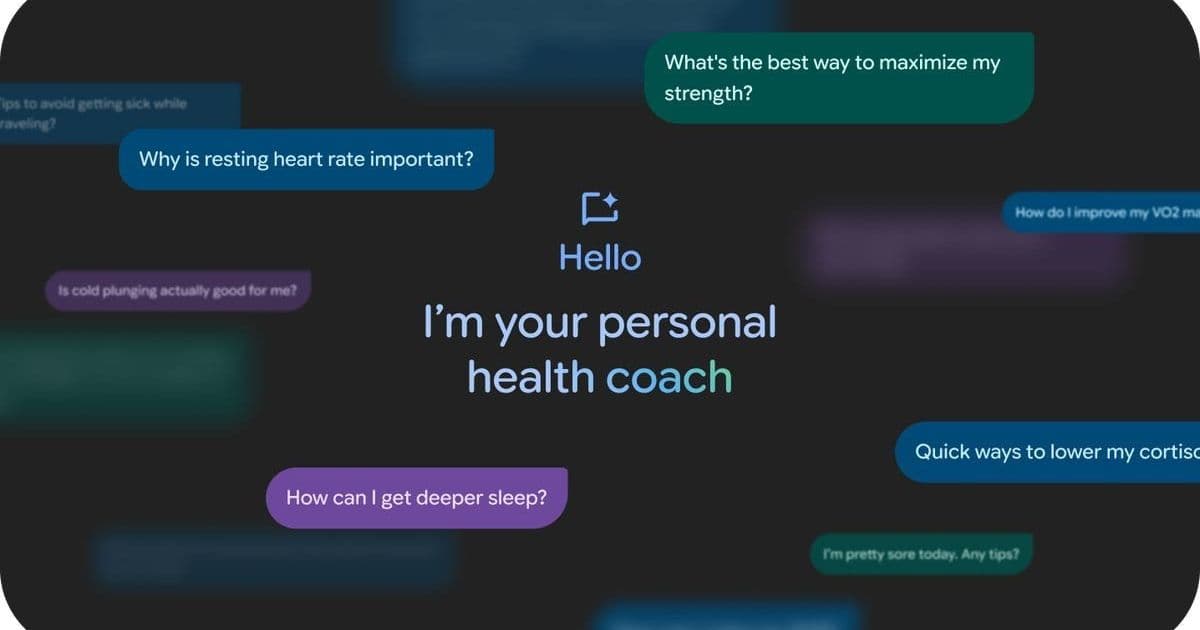
Google's Fitbit Premium is rolling out a public preview of its AI-powered coach, leveraging Gemini to offer personalized fitness and wellness advice. Starting October 28, select Android users in the US can test the feature, which aims to transform the subscription service into a true digital health companion. But with user skepticism already high, does this innovation address past criticisms of Premium's value?
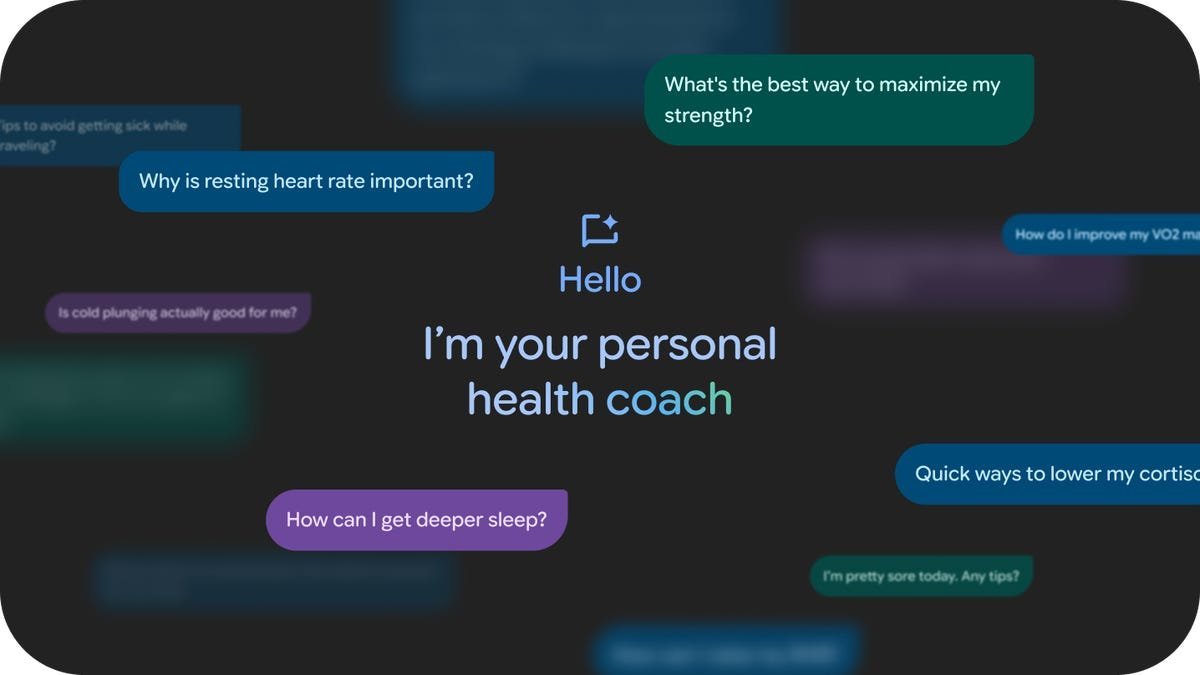
Google is betting big on AI to revitalize Fitbit Premium, its $10/month subscription service, with a new Gemini-powered coach now in public preview. The feature, available from October 28 for adult Android users in the US, promises hyper-personalized guidance on exercise, sleep, and nutrition by analyzing user inputs like routines, preferences, and biometric data. This isn't just another chatbot—it's designed to act as a digital personal trainer, dynamically adjusting recommendations based on progress and even correlating factors like heart rate variability with activity levels to uncover health insights.
In demos, the AI coach showcased its ability to craft targeted workouts—say, a 20-minute dumbbell session for ski enthusiasts or marathon training plans—while proactively nudging users on scheduled exercise days. It integrates sleep analysis and wellness tracking, allowing queries like "Why did my sleep score drop last week?" to surface patterns tied to lifestyle choices. However, the preview excludes features like menstrual health logging and advanced running metrics, with Fitbit pledging future additions like scientific citations for its advice.
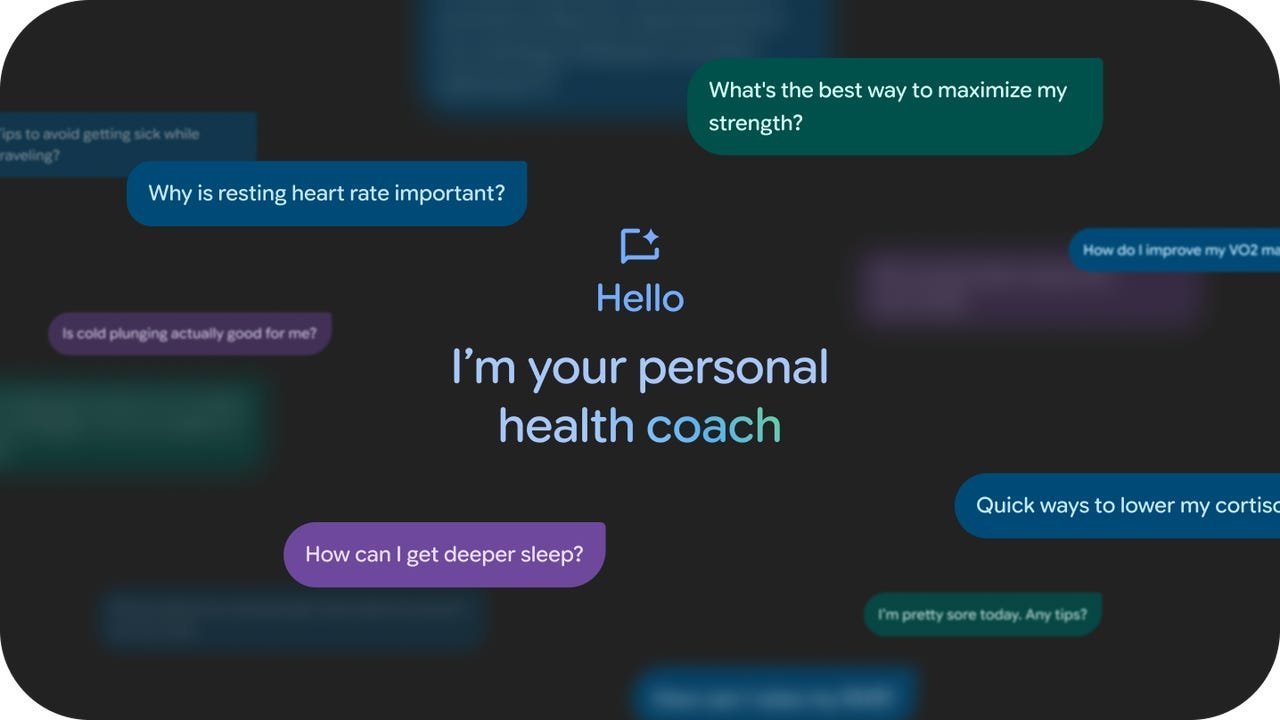
User sentiment, however, casts a shadow. Reddit communities (r/fitbit) are rife with complaints that Premium offers little beyond its free tier, calling the current subscription a hard sell. As one user quipped, "The only time Premium felt worthwhile was during the free trial." This AI overhaul could be Google's answer to those criticisms, positioning Premium as an indispensable health ally rather than a data dashboard. Yet, questions linger: Can algorithm-driven coaching truly replicate human intuition? And with iOS support delayed, will fragmentation alienate half of Fitbit's user base?
For developers, this move signals a broader shift toward retrieval-augmented generation in consumer tech, where AI synthesizes personal data into actionable insights—a trend with massive implications for wearable ecosystems. Privacy is another frontier; while Fitbit assures responses are "grounded in science," the absence of source citations in the preview demands scrutiny. If successful, this could set a new standard for personalized health tech. If not, it risks becoming another overhyped feature in a crowded market. The preview's opt-in nature lets users decide—but only time will tell if AI can turn skeptics into subscribers.
Source: ZDNET, Nina Raemont
Comments
Please log in or register to join the discussion