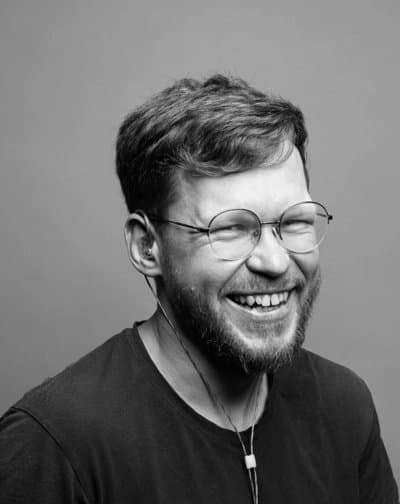
A developer recounts his decade-long journey from stifling corporate tech roles and startup burnout to finding purpose in open-source software, even amid war and financial hardship. His story underscores the relentless pursuit of meaningful work and the harsh realities of sustaining FOSS contributions while living nomadically.
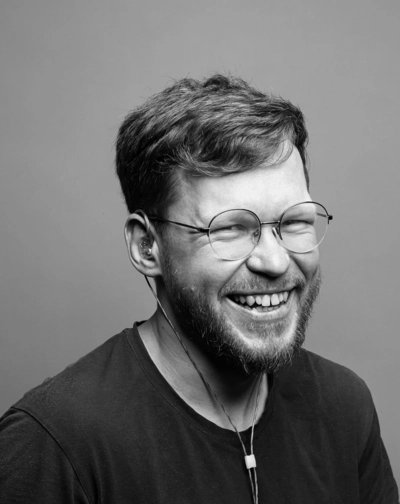
In a pine forest near Antalya, Turkey, a developer writes code from a tent pitched for 800 euros—a stark symbol of the extremes one might endure to pursue passion in tech. This narrative, sourced from a personal blog, traces a decade-long odyssey through disillusioning corporate gigs, startup chaos, and burnout, culminating in a resilient commitment to free and open-source software (FOSS) against all odds.
The Corporate Grind and Early Disillusionment
Fresh out of university, the developer landed a coveted SRE role at a major internet corporation. Despite perks like high salaries and cushy offices, the reality was grim: monolithic codebases, archaic processes, and a crushing sense of irrelevance. "Everything was a mess and barely maintainable," he recalls, citing three different string implementations and a 100GB monorepo. The takeaway? Comfort without impact breeds misery—a warning to developers prioritizing stability over purpose.
Startup Highs and Burnout Lows
Seeking meaning, he pivoted to university-led startups, co-founding projects like a pre-Periscope streaming app and a delivery service. Energized by functional programming in Clojure, he joined a healthcare tech startup building an EMR system for U.S. hospices. While user research trips fostered deep connections and insights, the workload spiraled. "I was exhausted... almost physically vomiting when opening the project," he admits. The experience highlighted a critical lesson: technical prowess means little without balanced leadership and emotional resilience.
The Open-Source Epiphany
After saving aggressively from a high-paying Clojure job, he dedicated himself to FOSS—projects like Guix Home and RDE. Initial progress was slow, with some days yielding only 15 minutes of work due to lingering burnout. Yet, contributions sparked community engagement and personal renewal. "I became much more lively and happy," he notes. But sustainability loomed large: donations via OpenCollective covered just 2K–3K EUR/year—far below living costs.
War, Exile, and Financial Survival
The 2022 invasion of Ukraine upended his plans. Frozen assets forced nomadic survival: Georgia offered refuge but steep rents, while UAE provided temporary shelter amid 48°C heat. Teaching gigs and a Guix-based contract for PinePhone development funded brief respites. Now in Turkey, with dwindling cash and a tent as home, he hacks on projects like a Scheme IDE. "I had around 100$ left," he writes, underscoring the precariousness of FOSS life without institutional backing.
Why This Matters for Tech
This story isn’t just about grit—it’s a mirror to industry flaws. Corporate tech often sacrifices developer fulfillment for scale, while startups risk burnout with undefined processes. FOSS, though ideologically pure, faces funding crises that push contributors to extremes. For engineers, it’s a call to weigh passion against sustainability. As winds howl through his forest encampment, the developer’s resolve endures: meaningful code, not comfort, fuels true innovation.
Comments
Please log in or register to join the discussion