Nikkei investigation reveals 15 international insurance companies issued 254 policies covering 278 sq. km of illegally deforested Brazilian farmland over the past decade, raising questions about ESG compliance and environmental responsibility.
Fifteen international insurance companies have issued hundreds of policies covering illegally deforested farmland in Brazil, a Nikkei investigation has revealed, exposing a significant gap in environmental, social, and governance (ESG) compliance across the global insurance industry.
Scale of the Problem
The investigation found that these 15 providers issued 254 policies covering approximately 278 square kilometers of farmland that had been illegally cleared of Amazon rainforest over the past decade. The policies were issued despite Brazil's strict environmental regulations prohibiting deforestation in certain areas and requiring permits for land use changes.
Geographic Context
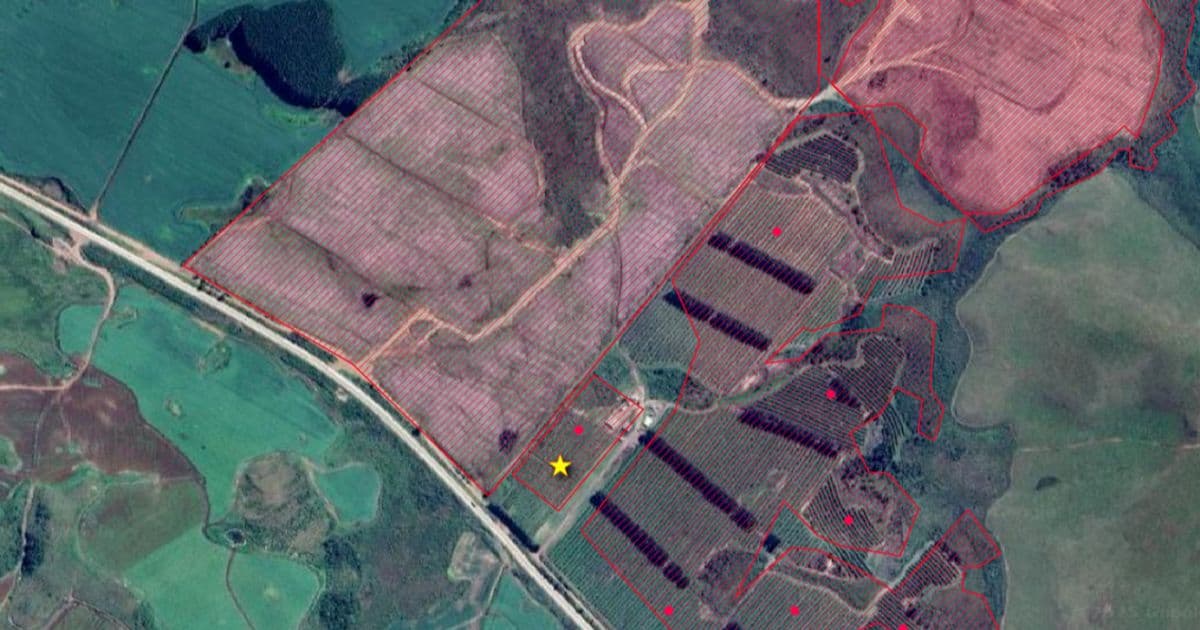
The affected areas are primarily located in Brazil's southern states, including Parana, where satellite imagery and government seizure records show extensive illegal land clearing. An apple orchard in Parana serves as a prime example, where authorities seized illegally cleared land that subsequently received agricultural insurance subsidies from Brazil's Ministry of Agriculture.
Global Insurance Players Involved
While the specific companies were not named in the initial report, the involvement of 15 global providers indicates this is a widespread industry issue rather than isolated incidents. These insurers span multiple continents and include major players in the agricultural insurance market.
ESG Implications
This revelation poses serious questions about the effectiveness of ESG screening processes in the insurance sector. Many of these companies likely market themselves as environmentally responsible, yet their policies are directly enabling and profiting from illegal environmental destruction.
Financial Impact
The total value of these policies runs into millions of dollars, though exact figures were not disclosed. The subsidies from Brazil's Ministry of Agriculture add another layer of public funds supporting environmentally destructive practices.
Regulatory Response
Brazilian authorities have been cracking down on illegal deforestation, with increased satellite monitoring and enforcement actions. However, the insurance industry's involvement suggests that financial incentives continue to drive illegal land clearing despite regulatory efforts.
International Pressure
As global consumers and investors demand greater environmental accountability, insurance companies face increasing scrutiny over their role in enabling deforestation. This could lead to stricter underwriting guidelines and potential reputational damage for the companies involved.
What This Means for the Industry
The findings suggest a need for more rigorous due diligence in agricultural insurance underwriting, including:
- Enhanced satellite monitoring of insured properties
- Stricter verification of land use permits
- Integration of environmental compliance into risk assessment models
- Greater transparency in policy coverage areas
Broader Context
This investigation comes amid growing global concern over Amazon deforestation and its impact on climate change. Brazil's agricultural sector, while economically important, has been a major driver of deforestation, creating tension between economic development and environmental protection.
The involvement of international insurers highlights how global financial systems can inadvertently support environmental destruction, even when companies have policies in place to prevent such outcomes.
Moving Forward
Industry experts suggest that insurance companies will need to implement more robust environmental screening processes and potentially face increased regulatory oversight. The reputational risk alone may prompt many of these companies to review and potentially cancel policies covering illegally deforested land.
This case serves as a wake-up call for the insurance industry about the importance of thorough environmental due diligence, particularly in sectors with significant environmental impact like agriculture in sensitive ecosystems.
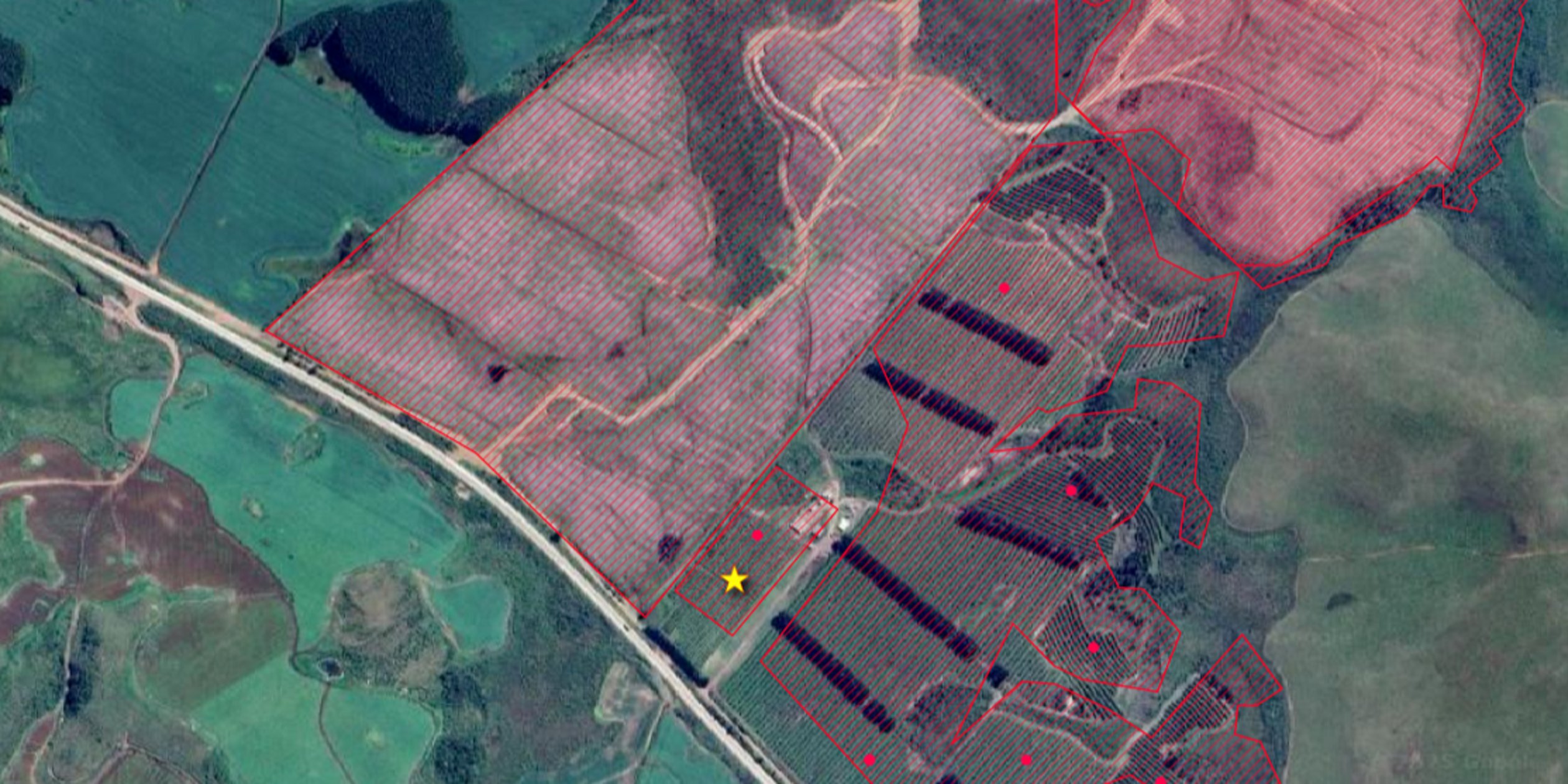
Map data showing areas of illegal deforestation in Brazil where insurance policies were issued, with shaded regions indicating government seizures and red dots marking sites with agricultural insurance subsidies.
Comments
Please log in or register to join the discussion