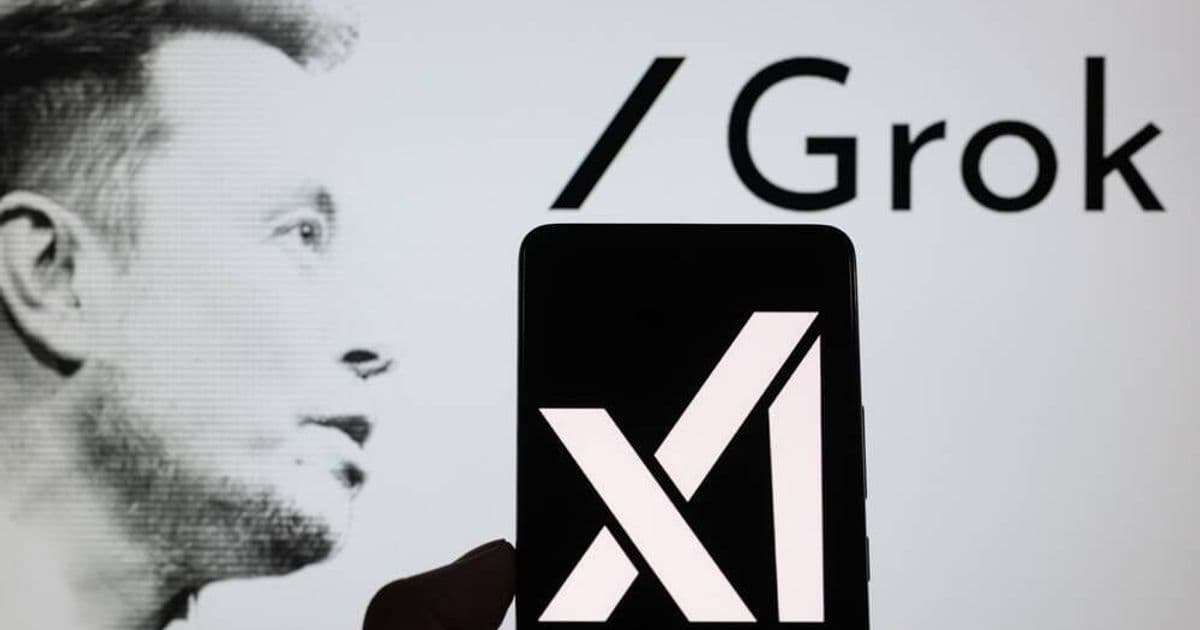
Elon Musk characterizes the departure of half of xAI's founding team as necessary organizational evolution while simultaneously unveiling ambitious plans for lunar mass drivers and space-based datacenters.
Elon Musk has characterized the recent departure of six members from xAI's original 12-person founding team as a necessary organizational evolution, even as the company pursues increasingly ambitious plans for lunar infrastructure and space-based computing.
In a post on X (formerly Twitter), Musk described the departures as part of xAI's growth trajectory, stating that the company's evolution "required parting ways with some people." This framing comes after an all-hands meeting where Musk revealed plans for a lunar mass driver - an electromagnetic catapult system designed to launch payloads into space at high velocities.
The mass driver concept, while currently in the realm of science fiction, represents Musk's vision for future space infrastructure. "We're actually going to have a mass driver on the Moon," Musk told employees during the meeting, suggesting such technology would be ideal for deploying a datacenter consisting of a million satellites in space.
This announcement follows a series of bold moves by Musk in recent weeks, including the merger of xAI into SpaceX and plans for space-based datacenters. The rapid succession of ambitious projects has created what observers describe as a whiplash effect within Musk's corporate ecosystem, particularly given the fast-paced nature of AI development.
Among the departing executives, Yuhai Wu announced his departure on Monday, followed by Jimmy Ba on Tuesday. Both expressed positive sentiments about their time at xAI, but the loss of half the founding team raises questions about the company's stability and direction. The departures come amid Musk's pattern of making ambitious predictions that often fail to materialize on schedule - a track record that includes missed timelines for Mars colonization and other futuristic projects.
Musk's recruitment pitch for potential replacements has been equally ambitious: "Join xAI if the idea of mass drivers on the Moon appeals to you." This approach suggests the company is seeking talent aligned with its increasingly science-fiction-inspired vision for space-based AI infrastructure.
The reorganization Musk mentioned appears to be part of a broader strategy to improve execution speed as xAI scales rapidly. "As a company grows, especially as quickly as xAI, the structure must evolve just like any living organism," Musk explained, positioning the leadership changes as natural growing pains rather than signs of instability.
However, the timing is notable given that xAI has faced scrutiny from UK regulators investigating whether its AI systems violate laws, and advocacy groups have questioned the appropriateness of Grok's deployment in US federal government operations. The company's pivot from Mars-focused missions to lunar ambitions also represents a significant strategic shift that may have contributed to internal tensions.
The mass driver concept itself represents a fascinating intersection of science fiction and practical engineering. Such systems could theoretically reduce the cost of launching materials from the Moon's lower gravity well, potentially enabling large-scale space construction projects. Whether this vision translates into practical reality remains to be seen, particularly given Musk's history of ambitious timelines that often extend far beyond initial projections.
Comments
Please log in or register to join the discussion