
Google is rolling out Gemini AI features to all US desktop Chrome users, including a dedicated chatbot button, AI-powered search tools, and upcoming 'agentic' task automation. This move transforms the world's most popular browser into a hub for generative AI, accelerating a trend that could redefine how millions interact with the web daily. The update signals the dawn of the 'AI browser' era but faces skepticism over usability and privacy.
For years, AI in web browsers was the domain of experimental startups and niche tools, often overshadowed by Chrome's sheer dominance. That changed this week as Google announced the broad rollout of Gemini AI features to all US desktop Chrome users, effectively bringing generative AI into the mainstream browsing experience. This integration, which began with paying subscribers in May, now places tools like on-page question answering, cross-tab synthesis, and AI-assisted research at users' fingertips—signaling a pivotal shift in how the web is navigated and consumed.\n\n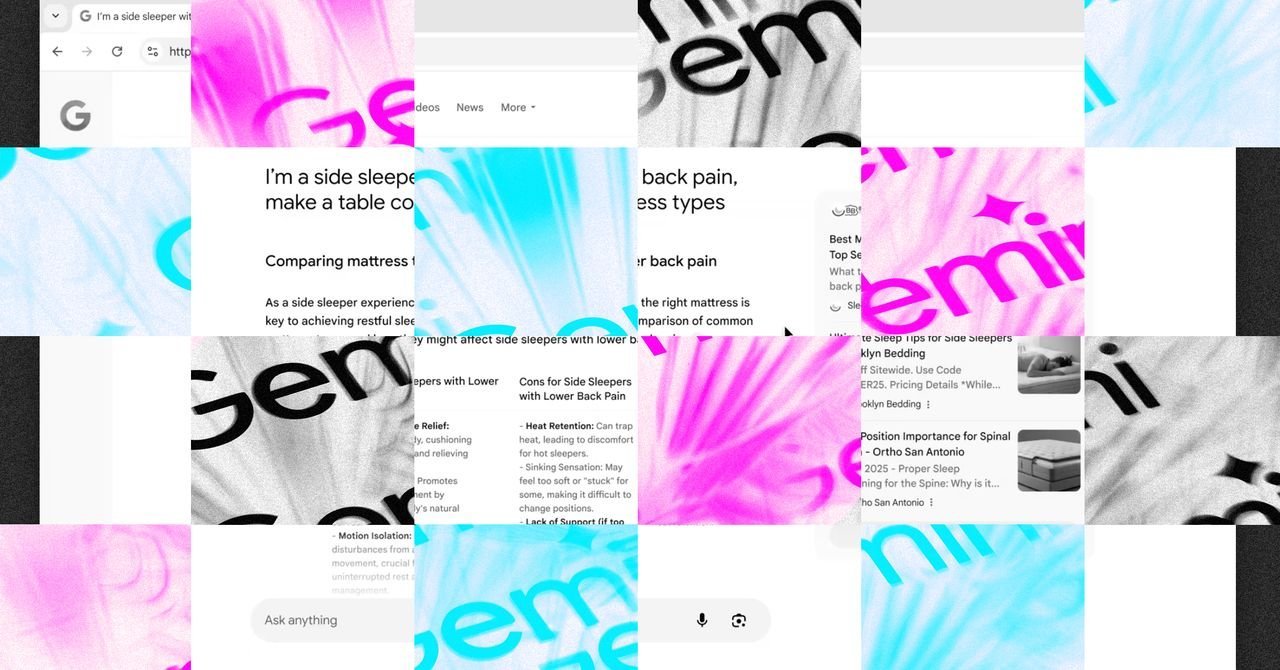 \n\nAt the forefront is a new Gemini sparkle icon in Chrome's top-right corner, acting as a gateway to the chatbot. Clicking it allows users to query content directly from any webpage or pull insights from multiple open tabs. As one Wired report notes, this feature leverages generative AI to 'answer questions about content on a page and synthesize information across multiple open tabs,' turning passive browsing into an interactive dialogue. Android users already have similar capabilities in the Chrome mobile app, with an iOS update expected soon.\n\n
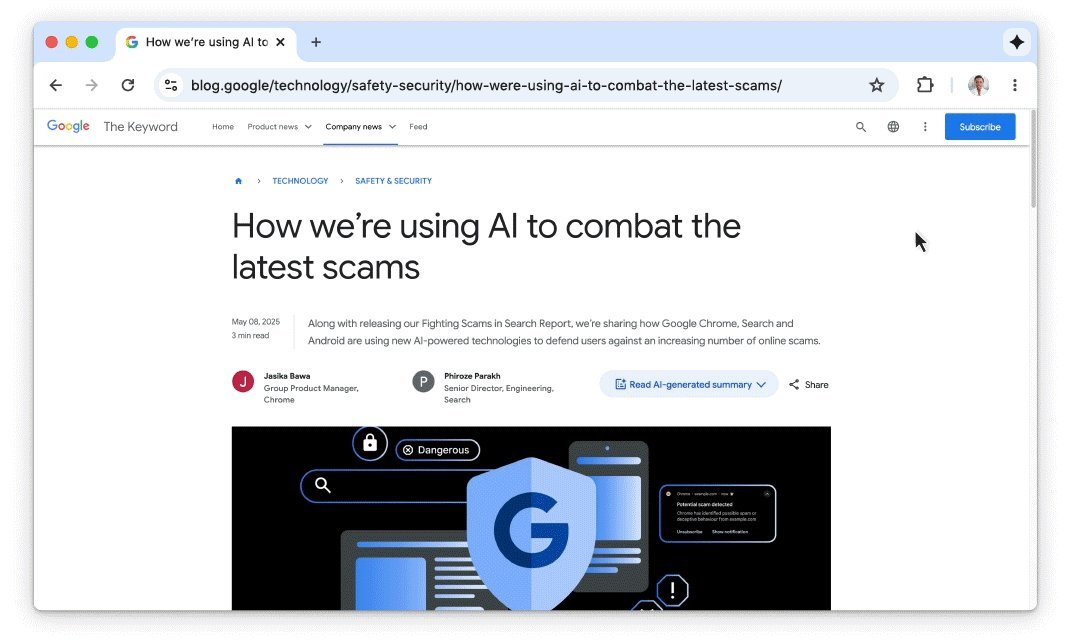 \n\nBut Google isn't stopping there. By late September, Chrome's Omnibox (the address bar) will integrate 'AI Mode,' suggesting context-aware prompts based on active page content. For instance, researching a topic could trigger Gemini to generate summaries or related queries without leaving the page. While traditional searches remain an option, AI Overviews—Google's generative summaries in search results—will now feel more embedded, blurring the line between browsing and conversational AI.\n\n
 \n\nPerhaps the most ambitious additions are the 'agentic' features slated for later this year. These tools aim to automate web-based tasks, such as adding groceries to an Instacart order, by letting Gemini navigate and interact with sites in the background. As described in the source, it 'attempt[s] to choose groceries by clicking around' before presenting results for user approval. However, early tests of similar systems, like OpenAI's Operator, have been 'messy and fairly slow,' leading to skepticism about whether they'll evolve beyond gimmicks. One tester likened the experience to 'letting a sloppy ghost loose to haunt my browser,' highlighting potential pitfalls in real-world reliability.\n\nThis rollout cements 2025 as the 'year of the AI browser,' with competitors like Arc (now Dia) and Perplexity's Comet pushing their own integrations, and rumors swirling about an OpenAI browser. Yet Google's scale ensures Chrome's update will introduce AI to millions who've never used such tools—prompting inevitable confusion (as the article wryly predicts, 'expect to receive a call from your relatives asking what the hell Gemini is'). Despite opt-out options, the environmental and privacy implications of pervasive AI loom large, with concerns about data training and energy use.\n\n
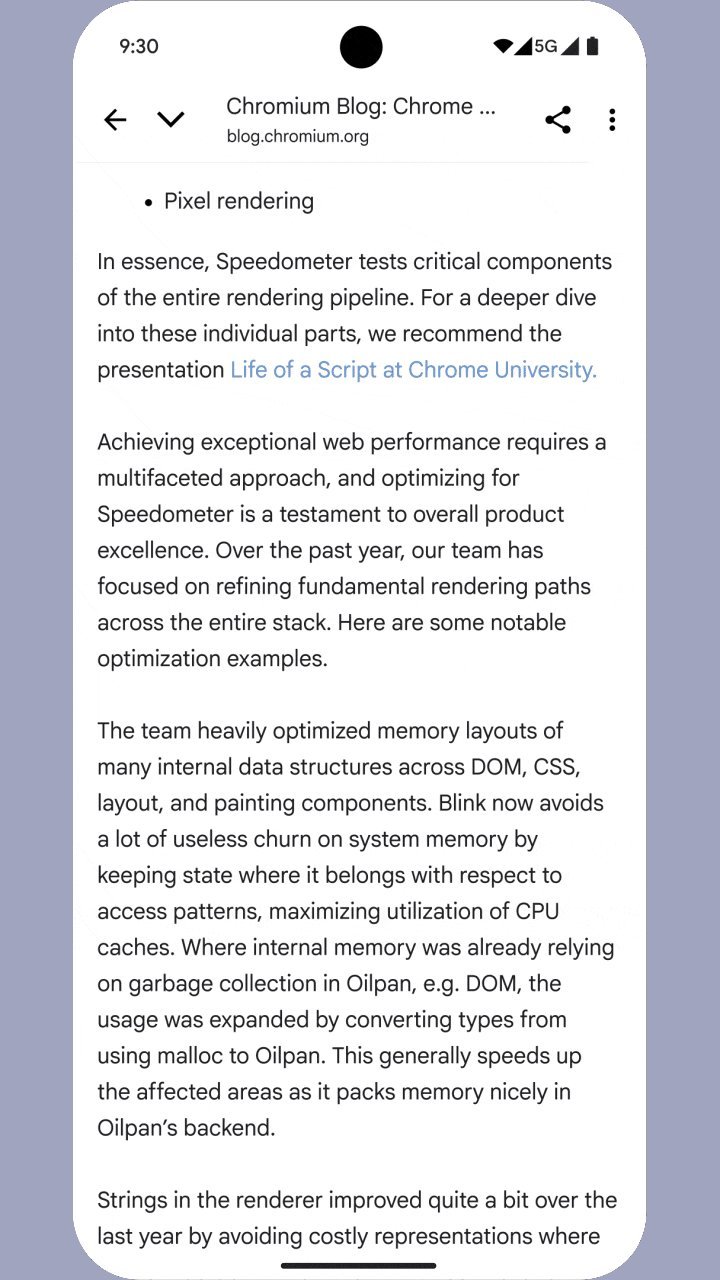 \n\nFor developers, this signals a new imperative: building for an AI-augmented web where browsers anticipate user intent. Chrome's evolution could democratize access to generative AI but also centralize control, urging innovators to prioritize transparency and user agency. As browsing transforms from a manual to an assisted experience, the success of tools like Gemini will hinge not on hype, but on delivering seamless utility without compromising the open web's ethos.\n\nSource: Adapted from Wired
Comments
Please log in or register to join the discussion