

Leaks suggest the upcoming Pixel 10 series will feature built-in magnetic Qi2 wireless charging, a rarity in Android phones that could unlock MagSafe-like versatility without cases. This positions Google ahead of Samsung and OnePlus in accessory integration, addressing a key adoption gap in wireless standards.
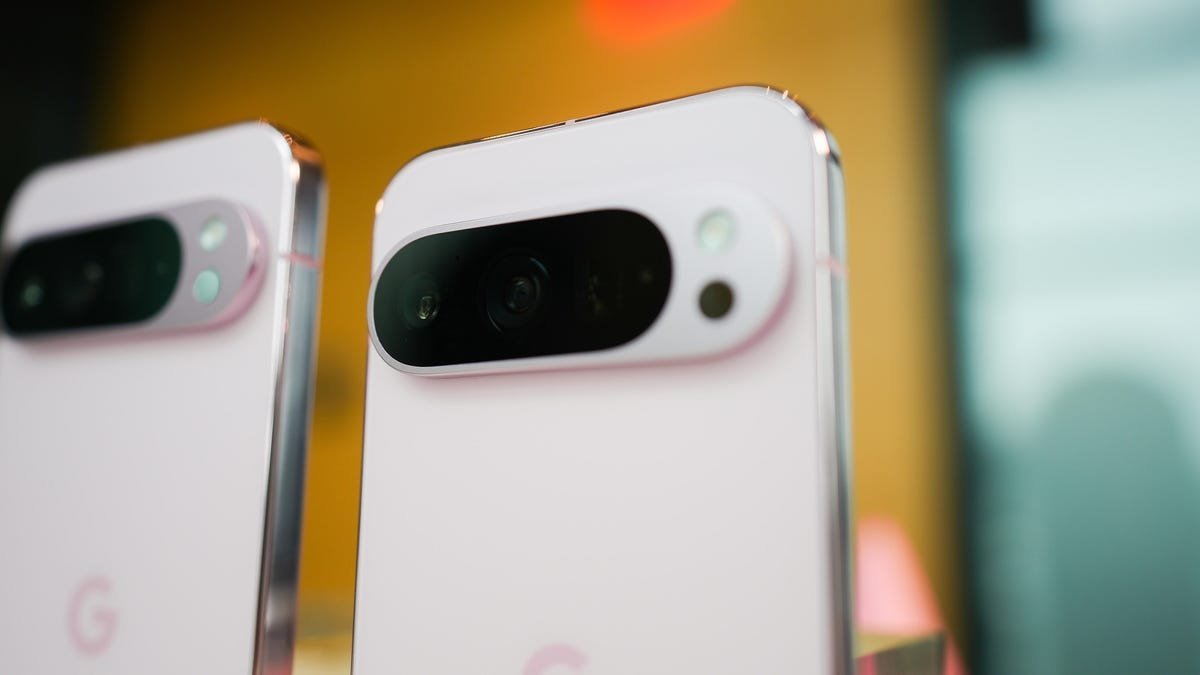
In a smartphone market saturated with incremental camera upgrades and flashy AI gimmicks, a rumored feature for Google's Pixel 10 series could deliver something genuinely transformative: integrated magnetic Qi2 wireless charging. According to leaks from reliable tipster Evan Blass, the Pixel 10 and its Pro variants will support the Qi2 standard with magnets embedded directly into the device—eliminating the need for bulky cases or adhesive rings that plague current Android implementations. This move, if confirmed, would place Google ahead of rivals like Samsung and OnePlus in creating a seamless, iPhone-style accessory ecosystem.
Qi2, introduced over two years ago, promised faster wireless charging and magnetic alignment for accessories like power banks, car mounts, and wallets. Yet, adoption has been sluggish. As Kerry Wan reports for ZDNET, only iPhones, select Samsung models, and the niche HMD Skyline support it today. The Wireless Power Consortium's decision not to mandate in-body magnets allowed manufacturers to cut corners, relying on aftermarket cases to handle magnetic attachment. This fragmented approach stifled accessory innovation and degraded user experience—chargers slip, alignment falters, and the promise of a unified standard fizzles.
"The big pull when Qi2 was introduced wasn't necessarily the faster wireless charging rate, but the concept of magnetic accessories—think MagSafe for Android phones," notes Wan. Google's potential embrace of built-in magnets changes the calculus. Blass's leak, showcasing the Pixel 10's aquamarine finish and camera array, hints that magnets will be core to the design. This could finally catalyze a robust third-party accessory market, similar to Apple's MagSafe ecosystem, where developers and hardware creators build interoperable tools without compatibility headaches.
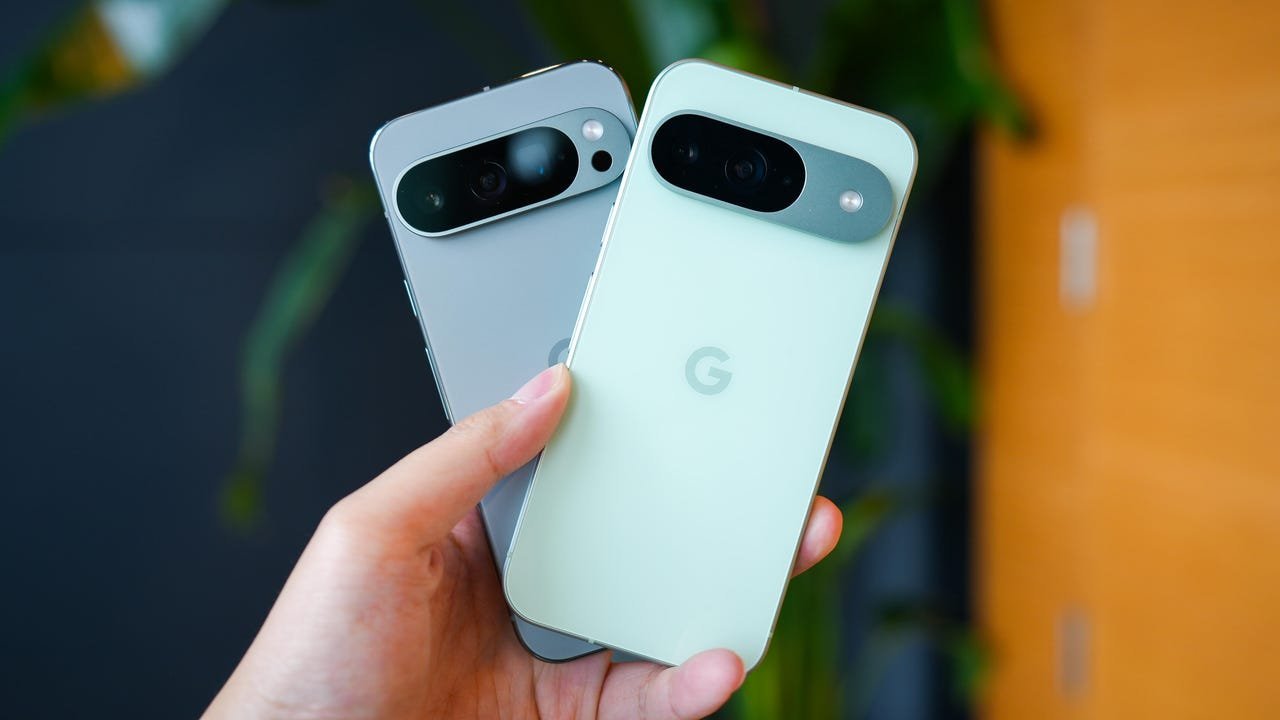 Image: Kerry Wan/ZDNET (Google Pixel 9 Pro)
The implications extend beyond convenience. For developers, standardized magnetic integration opens avenues for innovative peripherals—think modular sensors, gaming controllers, or even diagnostic tools that snap securely onto devices. It also addresses energy efficiency; direct magnetic alignment reduces charging heat and improves power transfer compared to misaligned Qi pads. While Google hasn't confirmed the feature, its absence in Samsung's latest flagships (which use case-based workarounds) highlights a strategic opening. If Google executes this well, the Pixel 10 could shift industry priorities toward holistic hardware ecosystems rather than spec-sheet one-upmanship. In an era where sustainability and user-centric design matter, magnets might just be the unassuming hero that redefines how we interact with our devices.
Comments
Please log in or register to join the discussion