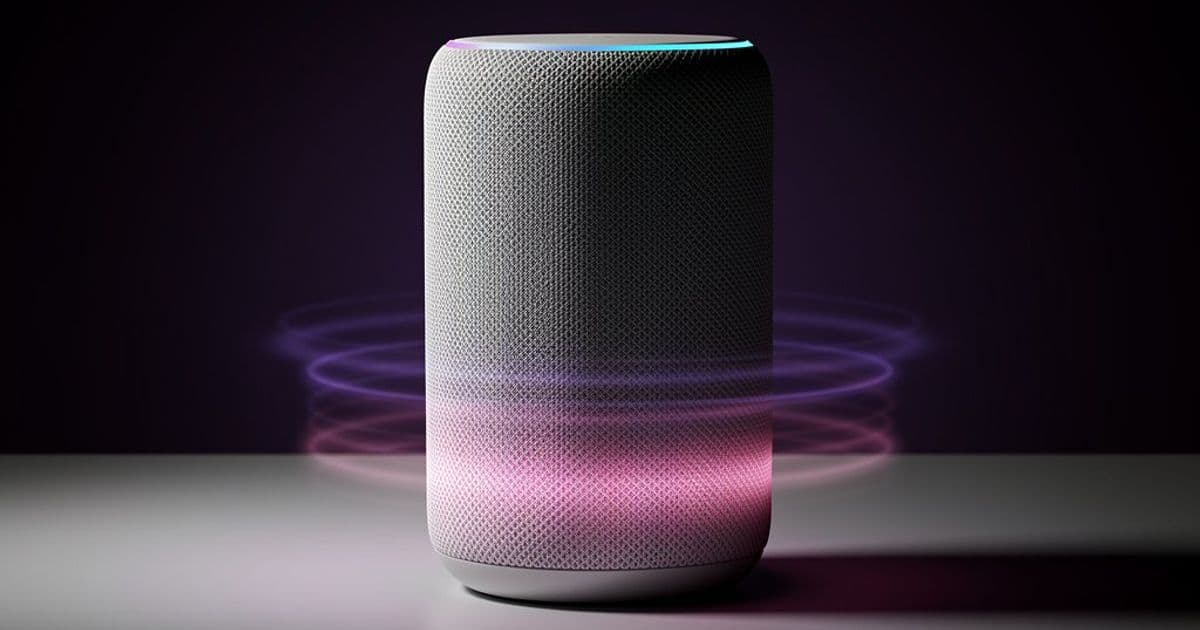
Google's settlement over unauthorized voice recordings exposes persistent privacy tensions in the voice assistant ecosystem, raising questions about consent mechanisms and industry-wide accountability.
The $68 million settlement Google agreed to pay this week to resolve claims that Google Assistant recorded users without consent (Reuters) isn't an isolated incident—it's a symptom of systemic privacy challenges plaguing voice-activated technologies. The class action lawsuit alleged Google's voice assistant captured private conversations even when users hadn't invoked it with wake words like "Hey Google," suggesting fundamental flaws in activation sensitivity and user control mechanisms.
Court documents revealed plaintiffs argued Google's audio collection occurred during everyday scenarios: intimate family discussions, confidential business calls, and even medical consultations. While Google denied wrongdoing and maintained recordings required user consent, internal data showed accidental activations were significantly more frequent than publicly acknowledged. The settlement covers U.S. users of Google Assistant-enabled devices—including Pixel phones, Nest speakers, and third-party hardware—between 2016 and 2023.
Counter-perspectives emerge when examining Google's defense. The company contends its voice technology relies on continuous local processing to detect wake words, with recordings only sent to servers after explicit activation. They argue this data fuels essential improvements in speech recognition accuracy—a stance echoed by Amazon and Apple in similar lawsuits. However, privacy advocates highlight how default settings often prioritize functionality over transparency, noting that opt-out mechanisms for voice data storage remain buried in settings menus most users never explore.
This settlement intersects with broader industry patterns. Amazon settled comparable Alexa recording lawsuits for $30 million last year, while Apple faced scrutiny after contractors reviewed Siri snippets containing private conversations. These recurring cases underscore a disconnect between voice assistant design and consumer expectations: Users assume these devices listen only when addressed, while engineering realities require constant audio buffering for responsiveness.
Regulatory implications loom large. The Federal Trade Commission (FTC) is investigating whether Google's practices violated its 2019 $170 million YouTube child privacy settlement, which mandated clearer data practices. Meanwhile, the EU's Digital Services Act now imposes real-time transparency requirements for voice data usage—standards U.S. lawmakers are debating via proposed bills like the ADPPA.
Critics question whether settlements meaningfully change behavior. "Monetary payouts become operational expenses for tech giants," notes UC Berkeley privacy researcher Swati Sinha. "Without mandated design overhauls—like hardware mute switches or persistent recording indicators—these incidents will recur." Google's post-settlement changes include simplified voice data deletion tools and enhanced activation alerts, but skeptics argue opt-in consent should precede data collection, not follow it.
As voice AI permeates cars, wearables, and smart homes, this case crystallizes an urgent dilemma: How to balance conversational convenience with unambiguous user agency. With Google Assistant active on over 1 billion devices, its privacy failures set precedents affecting the entire ecosystem—making this settlement less an endpoint than a checkpoint in an ongoing privacy reckoning.
Comments
Please log in or register to join the discussion