
Google is developing advanced face unlocking technology for the Pixel 11 family and Chromebooks that works without visible sensors and performs equally well in all lighting conditions.
Google is making a significant push into advanced biometric security with Project Toscana, an internal initiative to develop face unlocking technology for the Pixel 11 family that reportedly matches the performance of Apple's Face ID. According to sources who have tested the technology, Google's solution works without any additional visible sensors on the phone's surface, potentially hiding infrared components beneath the display itself.
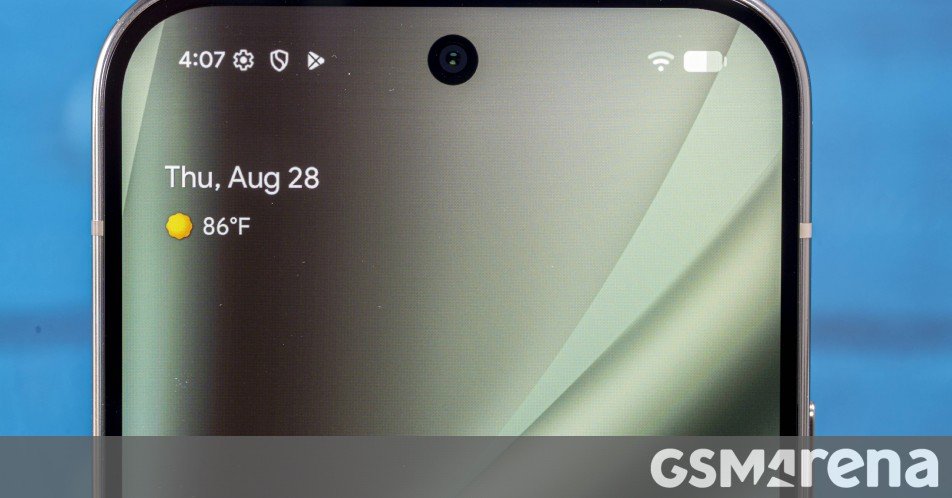
The development comes as Google aims to close the gap with Apple's biometric security, which has long been considered the gold standard for face recognition on mobile devices. The key breakthrough appears to be the ability to function equally well in low-light conditions as it does in daylight, addressing one of the major limitations of current face unlocking implementations on Android devices.
Hidden Technology Under the Display
What makes Project Toscana particularly interesting is Google's approach to sensor placement. Unlike previous implementations that required visible notches or camera cutouts, the new system allegedly works without any additional visible sensors on the Pixel phones. If Google is indeed using infrared technology similar to Face ID, the infrared components would be hidden under the display, creating a seamless design that maintains the Pixel's aesthetic while adding advanced functionality.
This approach mirrors rumors about Apple's own plans for the iPhone 18 Pro and Pro Max, suggesting both tech giants are converging on similar solutions for the next generation of face unlocking technology. The ability to hide these components under the display represents a significant engineering achievement that could set new standards for smartphone design.
Performance Claims and Real-World Benefits
According to the source who tested the technology, Google's new face unlocking works as quickly as Apple's Face ID on iPhones. This is a crucial benchmark, as speed and reliability have been key differentiators for Apple's implementation. The technology's ability to function in any lighting condition addresses another major pain point for users who have experienced failures with face unlocking in dark environments.
For Pixel users, this development means having a high-quality alternative to fingerprint scanning that works reliably regardless of ambient lighting conditions. While Pixels have traditionally included fingerprint scanners as a backup, the addition of a truly robust face unlocking option provides users with more flexibility and convenience in how they secure and access their devices.
Chromebook Integration
Interestingly, Google isn't limiting this technology to just smartphones. The company is also developing or at least testing the same face unlocking tech for Chromebooks, suggesting a broader ecosystem approach to biometric security. This cross-device strategy could create a more unified user experience across Google's hardware portfolio, allowing users to leverage the same secure authentication methods whether they're using a phone or a laptop.
Context and Industry Implications
The development of Project Toscana represents Google's most serious attempt yet to match Apple's Face ID capabilities. Previous Pixel devices have offered face unlocking, but these implementations have generally been considered inferior to Apple's solution in terms of security and reliability. By investing in this advanced technology, Google is signaling its commitment to providing Pixel users with top-tier security features that can compete with the best in the industry.
The timing is significant, as the smartphone industry continues to evolve toward more sophisticated biometric authentication methods. With concerns about security and privacy growing among consumers, having reliable face unlocking that works in all conditions could become a key differentiator for premium devices. Google's approach of hiding the technology under the display also aligns with broader industry trends toward cleaner, more minimalist smartphone designs.
Looking Ahead to Pixel 11
While the Pixel 10 family is still relatively new, these developments suggest Google is already planning significant upgrades for the Pixel 11 series. The integration of iPhone-level face unlocking technology could be a major selling point for the next generation of Pixel devices, particularly for users who prioritize security and convenience.
The success of Project Toscana could also influence Google's broader hardware strategy, potentially leading to more advanced biometric features across its product lineup. As the technology matures and becomes more widely available, it could help establish new standards for how users interact with and secure their devices across the Android ecosystem.
For now, the technology remains in development, and it's unclear exactly when it will debut in consumer products. However, the fact that Google is actively testing and refining this technology suggests we could see it implemented in the Pixel 11 family and potentially in future Chromebook models, marking a significant step forward in Google's hardware capabilities and its competition with Apple in the premium smartphone market.
Comments
Please log in or register to join the discussion