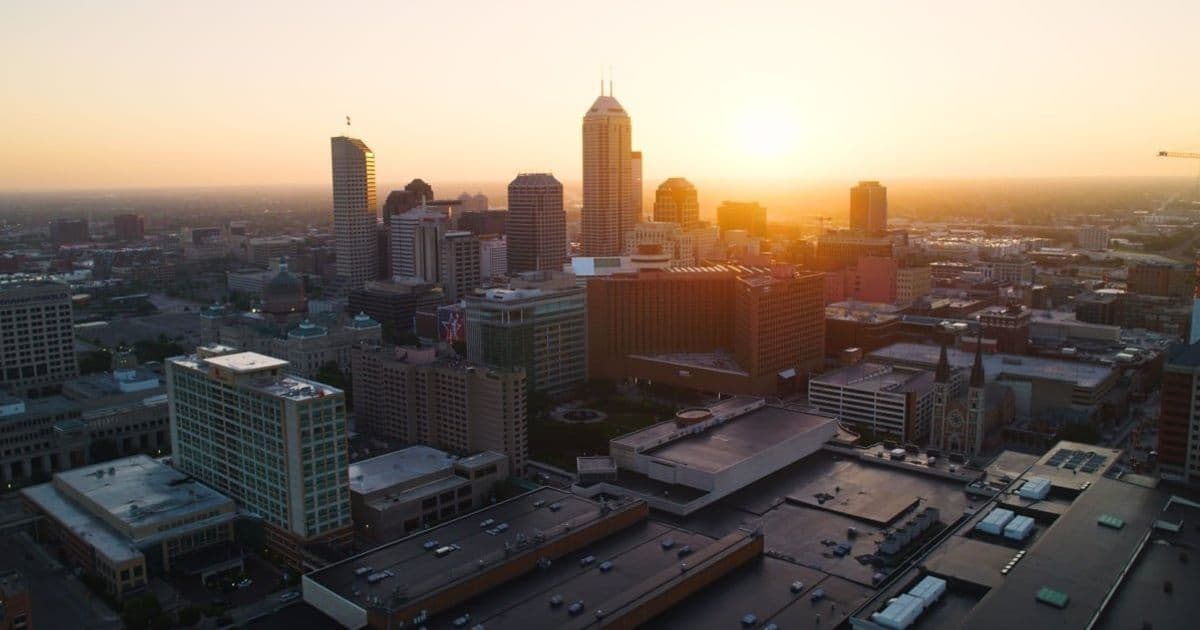
Shots fired at councilor's home in escalating US datacenter opposition, highlighting growing community resistance to server farm developments amid concerns over jobs, resources, and neighborhood impact.
A proposed $500 million datacenter campus in Indianapolis has sparked violent protests, with 13 gunshots fired at the home of city-county councilor Ron Gibson, who supported the project. The incident marks a dangerous escalation in growing community opposition to datacenter developments across the United States.
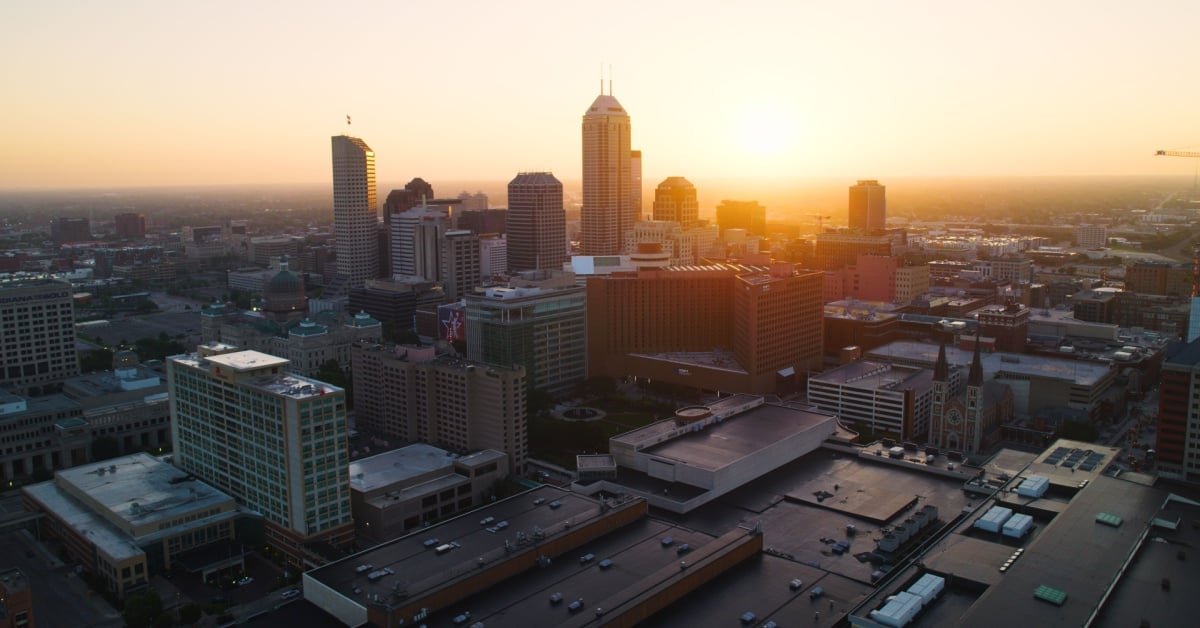
Early morning attack shakes Indianapolis neighborhood
Councilor Ron Gibson was awakened in the early hours of Monday by gunfire at his Indianapolis home. Thirteen bullets struck his front door, and a handwritten note reading "No data centers" was left on the doorstep. Gibson described the attack as "deeply unsettling," noting that the bullets hit just steps away from where his eight-year-old son had been playing with Lego the previous day.
"This was not just an attack on my home, but endangered my child and disrupted the safety of our entire neighborhood," Gibson stated on social media platform X. "I understand that public service can bring strong opinions and disagreement, but violence is never the answer, especially when it puts families at risk."
$500 million project faces community resistance
The incident follows Gibson's public support for a rezoning proposal to allow construction of a massive datacenter campus in the Martindale-Brightwood neighborhood. The city's Metropolitan Development Commission approved the rezoning on April 1, paving the way for developer Metrobloks to invest $500 million in two large data halls creating a 75 MW facility.
Local opposition has been fierce, with nearly 100 residents speaking against the proposal at public hearings. Critics argue the datacenter will not create meaningful local jobs or serve the broader community interests in the Martindale-Brightwood area, a historically underserved neighborhood already facing economic challenges.
National pattern of datacenter opposition emerges
The Indianapolis incident reflects a broader trend of community resistance to datacenter developments across the United States. An NPR report in January documented growing unrest in Virginia, Pennsylvania, North Carolina, and other states, with protests leading to project shutdowns.
In Wisconsin, a town attempted to remove its mayor after a datacenter was approved in the area. The resistance stems from multiple concerns: environmental impact, strain on local power grids, water consumption for cooling systems, and the perception that these facilities primarily benefit tech companies while providing minimal local economic benefits.
Industry faces mounting challenges
Datacenter capacity under construction in primary US markets declined in the second half of 2025, according to industry reports, as community opposition increasingly disrupted planning approvals. The issue has climbed the political agenda, with President Trump recently asking tech giants to provide assurances that their expanding US datacenter projects would not impact consumer energy bills or drain local water supplies.
The datacenter industry has acknowledged its public image problem. At the Datacloud Global Congress in Cannes, France, last year, opposition to new facilities emerged as a major topic of discussion among industry planners and executives.
Economic promises vs. community concerns
Developers typically promote datacenters as economic development tools, highlighting construction jobs and potential tax revenue. However, communities increasingly question these benefits. Once built, datacenters employ relatively few people compared to traditional industrial facilities, and the high-tech jobs often go to specialists from outside the immediate area.
Environmental concerns also drive opposition. Datacenters consume enormous amounts of electricity and water, potentially straining local utilities and raising rates for residents. The heat generated by these facilities can affect local microclimates, and the construction of massive concrete structures can alter neighborhood character.
The Indianapolis shooting represents a dangerous escalation in what has been primarily a battle fought through public hearings, zoning meetings, and political pressure. As the industry continues its rapid expansion to meet growing AI and cloud computing demands, the tension between technological progress and community preservation shows no signs of abating.
Comments
Please log in or register to join the discussion