
A new open-source tool leverages abstract syntax trees and AI embeddings to transform how developers search codebases. h-codex enables semantic code retrieval across repositories, offering unprecedented context for AI coding assistants through the Model Context Protocol.
For developers drowning in multi-repository complexity, h-codex emerges as a game-changing semantic search engine that understands code structure, not just keywords. By combining AST-based chunking with OpenAI's embeddings, this open-source tool delivers intelligent code retrieval that grasps contextual meaning—a significant leap beyond traditional regex searches.
Why Syntax Trees Beat String Matching
h-codex's secret weapon is its AST-based chunking:
# Example AST representation
FunctionDeclaration:
  - id: Identifier(name="calculateTotal")
  - params: [Parameter(name="items")]
  - body: BlockStatement
Instead of arbitrary line breaks, it uses language grammars (currently TypeScript/JavaScript) to split code at logical boundaries—function declarations, class methods, or conditionals. This preserves semantic context while generating optimized chunks for embedding.
Architecture: From Code to Context
The pipeline transforms raw code into searchable knowledge:
- Explorer discovers files across projects
- Chunker parses ASTs into logical segments
- Embedder vectorizes chunks using OpenAI's
text-embedding-3-small - Indexer stores vectors in PostgreSQL with pgvector
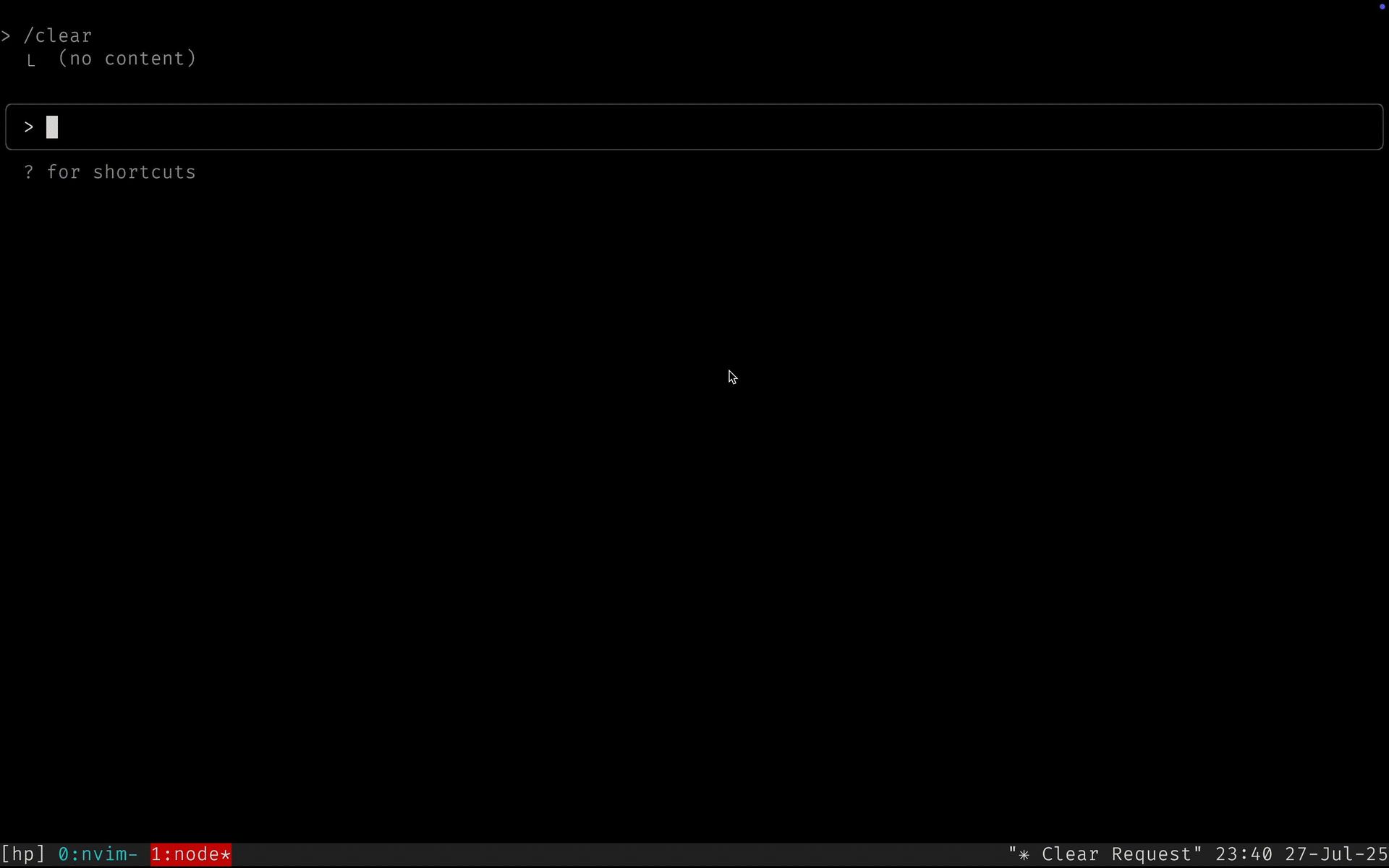 Demo showing semantic code retrieval in action
When developers search, h-codex compares query embeddings against stored vectors, returning results ranked by semantic similarity—all queryable through REST APIs or directly via MCP.
Turbocharging AI Pair Programmers
h-codex shines when integrated with tools like Claude through the Model Context Protocol (MCP). A simple config bridges the gap:
// claude_mcp_settings.json
{
  "mcpServers": {
    "h-codex": {
      "command": "npx",
      "args": ["@hpbyte/h-codex-mcp"],
      "env": {
        "OPENAI_API_KEY": "your_key_here",
        "DB_CONNECTION_STRING": "postgresql://user:pass@localhost/h-codex"
      }
    }
  }
}
This allows AI assistants to pull relevant code snippets from your entire codebase during development—finally enabling accurate cross-repository context.
Getting Started in Minutes
- Clone repo & install dependencies:
git clone https://github.com/hpbyte/h-codex
cd h-codex && pnpm install
- Configure environment variables:
OPENAI_API_KEY=sk-your-key
DB_CONNECTION_STRING=postgresql://user:pass@localhost:5432/h-codex
- Launch with Dockerized Postgres:
docker compose up -d  # Starts pgvector DB
pnpm db:migrate       # Creates schema
pnpm dev              # Runs indexer & API
Key configurations like SIMILARITY_THRESHOLD (0-1) and CHUNK_SIZE (default 1000 chars) let you balance precision and scope.
The Future of Code Retrieval
With Voyage AI integrations and expanded language support via tree-sitter parsers on the roadmap, h-codex represents a fundamental shift in how we navigate complex codebases. As AI-assisted development accelerates, tools that provide deep, semantic context across repositories will become indispensable—turning tribal knowledge into instantly retrievable engineering assets.
Source: h-codex GitHub Repository
Comments
Please log in or register to join the discussion