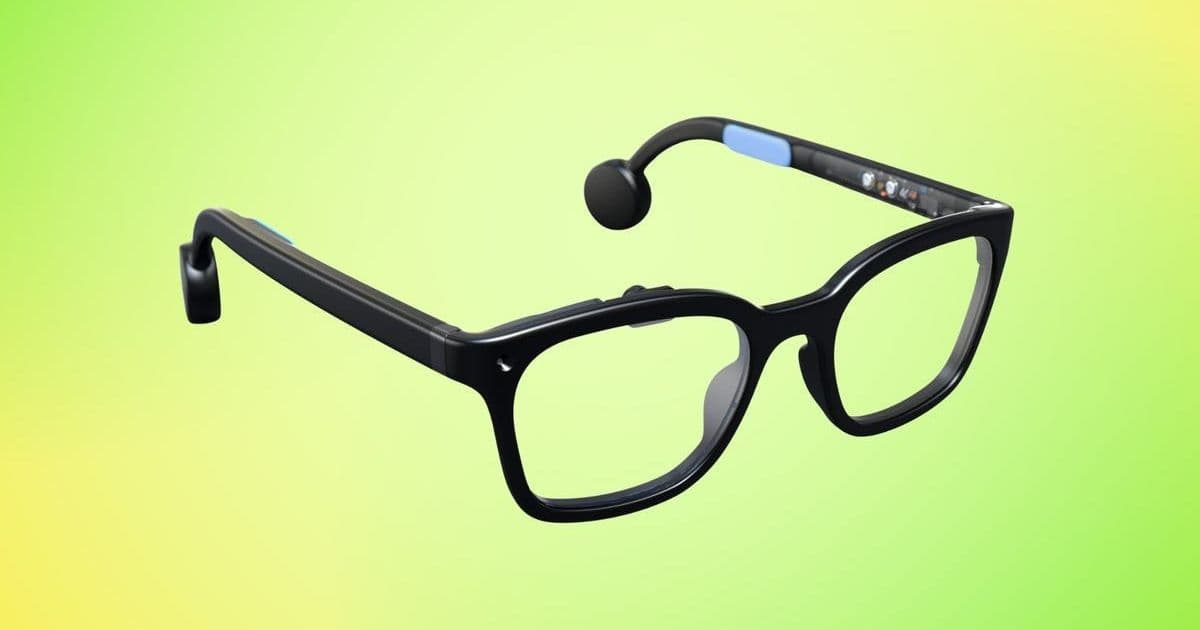
Brilliant Labs' newly unveiled Halo glasses leverage multimodal AI to see, hear, and remember user interactions through a lightweight, open-source platform. With triple the battery life of Meta Ray-Bans and features like code generation via voice commands, they signal a leap toward always-available contextual computing. This innovation addresses core challenges in wearable AI—privacy, developer flexibility, and seamless integration—for a technical audience reimagining human-machine collaboration
The Dawn of Contextual AI Wearables: Brilliant Labs’ Halo Glasses Challenge Meta’s Dominance
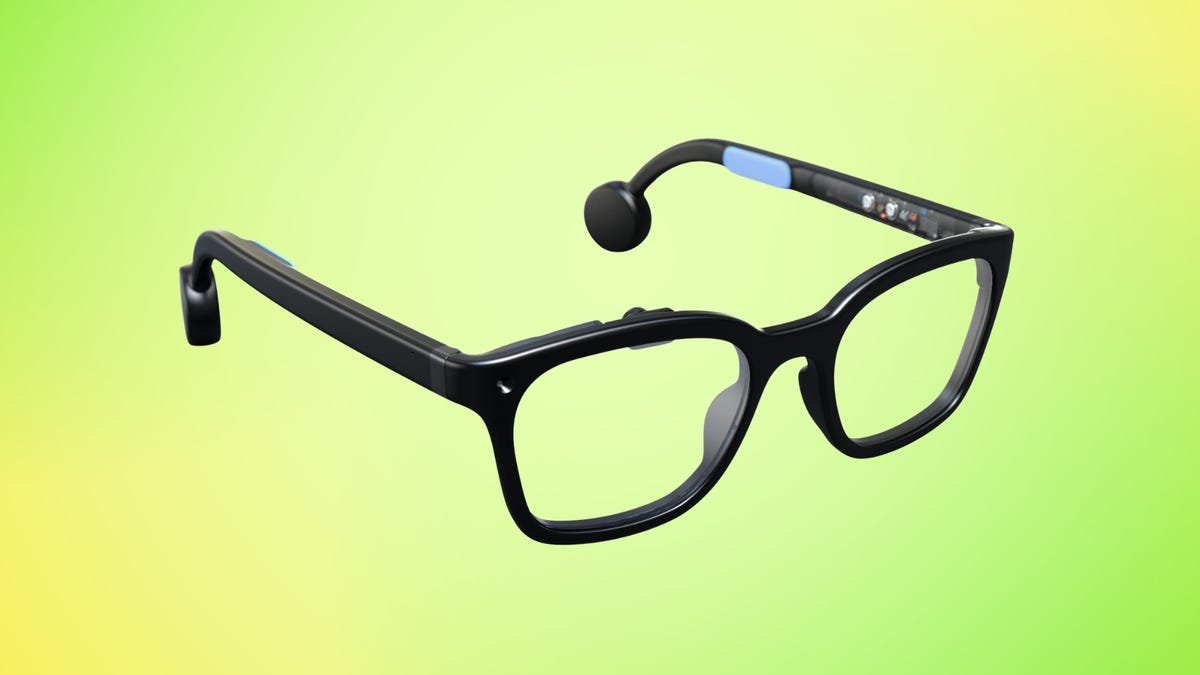
Smart glasses have long promised a frictionless bridge between humans and AI, but bulky designs and limited functionality stalled their potential. Brilliant Labs shatters these constraints with its Halo glasses—ultra-thin frames packing a 14-hour battery, multimodal AI, and open-source flexibility. Unveiled this week, the $299 wearable leverages an optical sensor and microphone array to process real-world context, positioning itself as the first "true AI companion" for developers and tech enthusiasts seeking persistent, personalized assistance.
Inside Halo’s AI Architecture: Memory, Multimodality, and Developer Freedom
At Halo’s core is Noa, an AI agent designed for fluid, real-time dialogue. Unlike basic voice assistants, Noa employs long-term agentic memory via Narrative, building a personalized knowledge base from continuous audio/visual input. This allows retrospective queries like "What was the API library Sarah mentioned yesterday?" by analyzing aggregated context. For coders, Vibe Mode introduces natural-language programming: describe an app’s function aloud, and Halo generates executable code in seconds—viewable on its retro-style display.
"We’re connecting unstructured data autonomously in the background," said CEO Bobak Tavangar. "AI must be useful all day, which demands lightweight hardware and uncompromising trust."
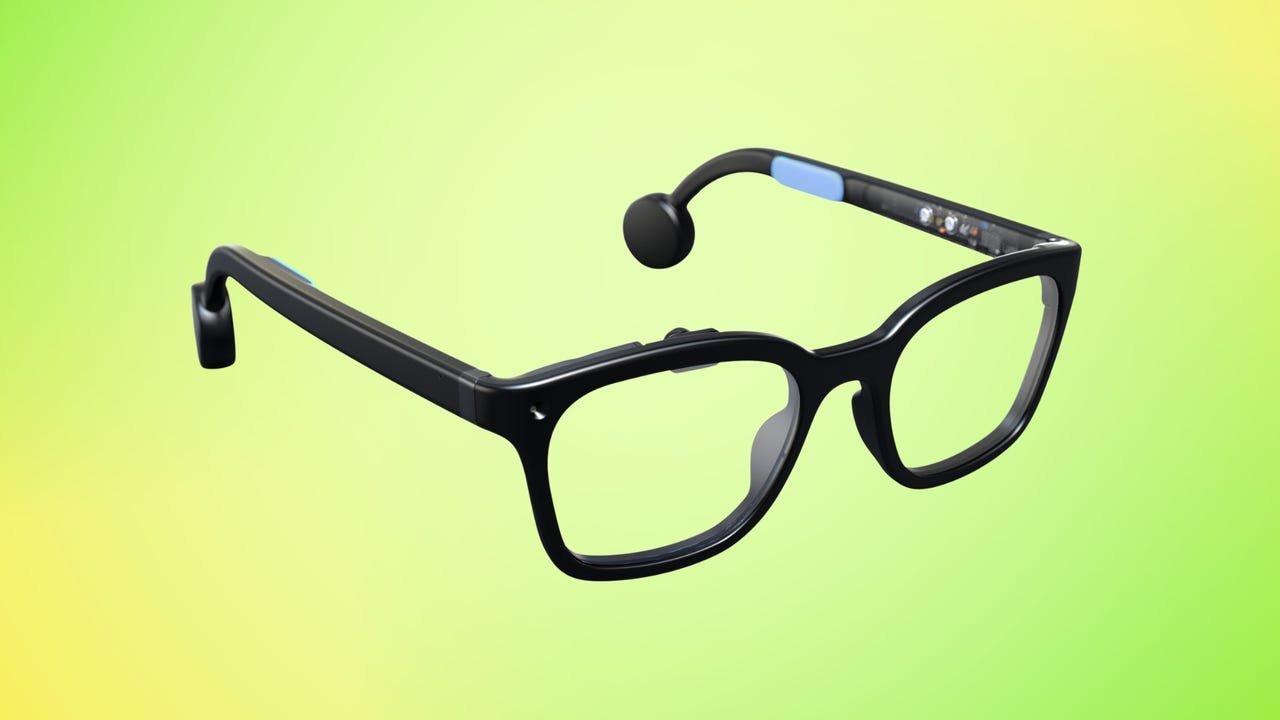
Engineering Elegance: How Design Enables All-Day Intelligence
Weighing just 40 grams, Halo rivals standard eyeglasses through clever engineering. Its bead-sized optical module projects a full-color display without invasive in-lens tech, preserving prescription compatibility and slashing power draw. Unlike Meta Ray-Bans’ photo-focused cameras, the optical sensor captures only essential data for AI context—not social content—prioritizing efficiency and privacy. Tavangar emphasized this deliberate tradeoff: "We’re complementing dialogue, not chasing immersive VR."
Crucially, Halo is fully open-source, inviting developers to extend its capabilities. This contrasts with closed ecosystems like Meta’s, fostering community-driven innovation in areas like Vibe Mode apps or privacy enhancements. Security is anchored in on-device data conversion; audio and visuals are transformed into "irreversible mathematical representations" to prevent breaches, with third-party data access strictly barred.
Why This Matters: Implications for Developers and the AI Wearable Landscape
Halo’s trifecta—extended battery life, ethical data handling, and open extensibility—sets a new benchmark. For engineers, it democratizes ambient computing: imagine debugging assistance overlaying your field of view or context-aware documentation during meetings. The glasses ship in late November 2025, but their real impact lies in validating wearable AI as a viable development platform. As Tavangar notes, this evolution must be built collectively—not in isolation. With Halo, Brilliant Labs isn’t just selling hardware; it’s inviting technologists to co-create the next paradigm of human-AI symbiosis, where assistance fades into the fabric of daily life.
Source: ZDNET
Comments
Please log in or register to join the discussion