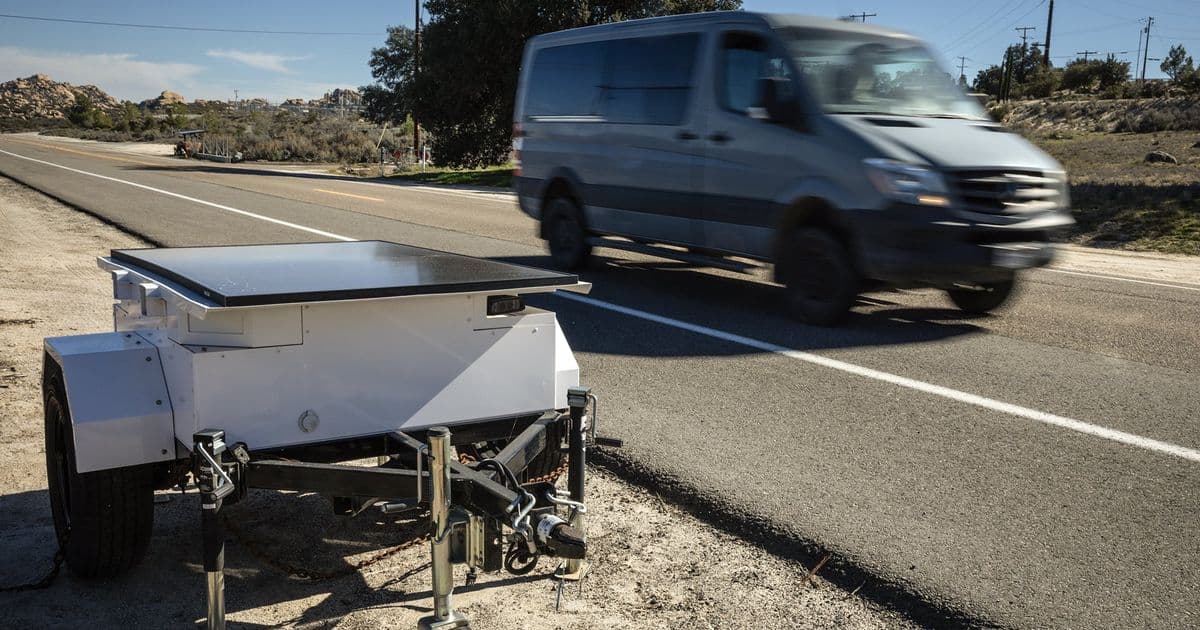
New automated license plate readers along California's border with Mexico are raising privacy concerns as residents report unusual encounters with federal agents.
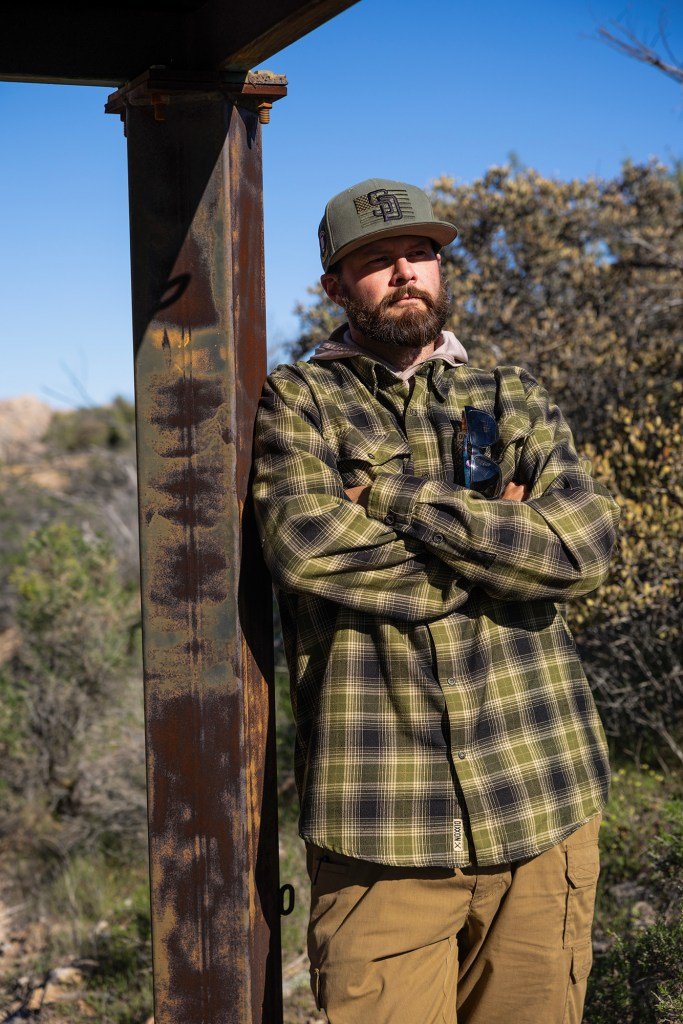
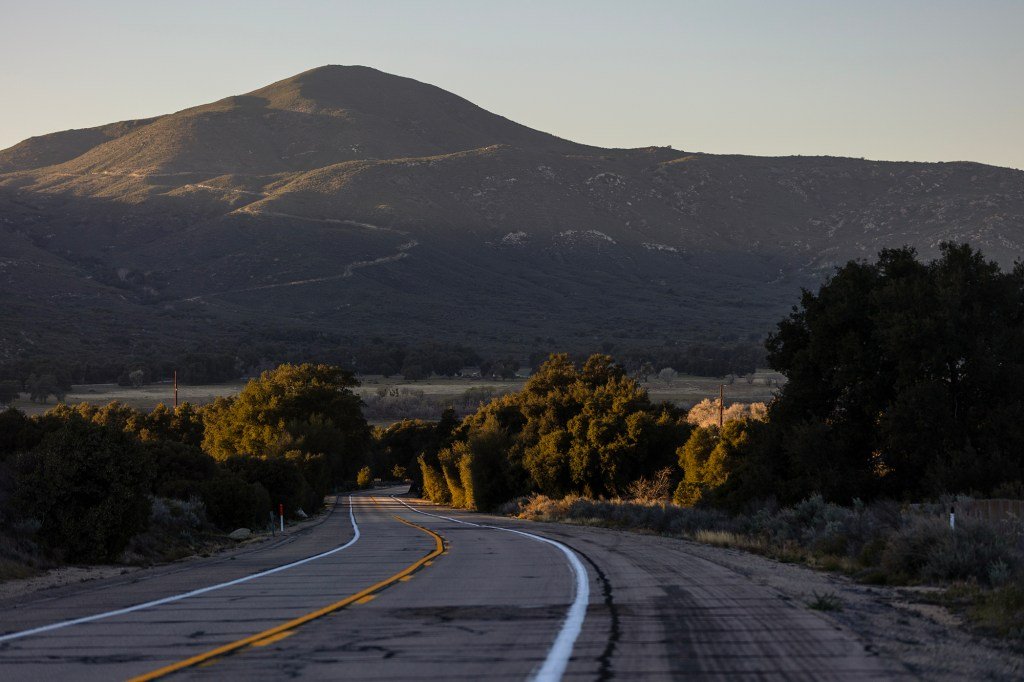
On a remote stretch of road in eastern San Diego County, James Cordero spotted what looked like an abandoned trailer. Inside, he discovered a hidden camera feeding a vast surveillance network that logs the license plate of every driver passing through this isolated border region.
These automated license plate readers (ALPRs) have been quietly appearing along California highways near the Mexican border since late 2024. Cordero, a water drop coordinator for the humanitarian group Al Otro Lado, has found dozens of these cameras hidden in trailers and construction barrels on border roads around San Diego and Imperial counties.
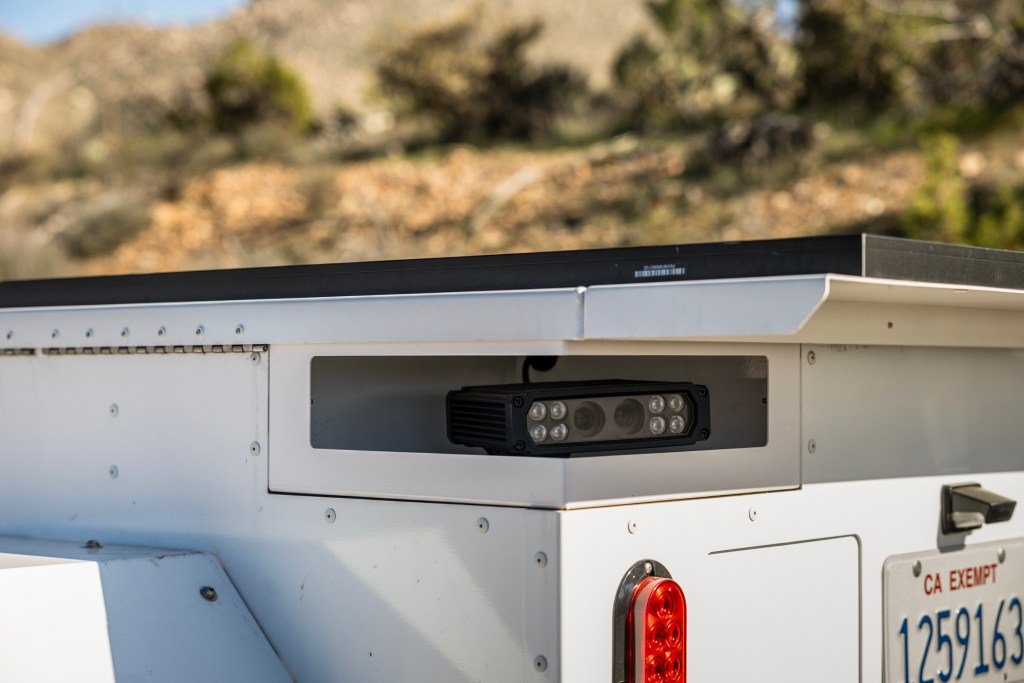
The Technology Behind the Surveillance The cameras capture not just license plate numbers, but also vehicle make and model, registration state, camera owner and type, GPS coordinates, date and time, and even images of drivers and passengers. Federal agencies can also access data from commercial ALPR vendors, creating an extensive tracking network.
According to the Electronic Frontier Foundation, more than 40 hidden license plate readers have been mapped in Southern California, most along border roadways. The devices bypass California's 2016 law governing ALPR use, which requires strict protocols for data collection and sharing.
Residents Report Unusual Encounters Some locals suspect the cameras are behind recent encounters with Border Patrol agents. Sergio Ojeda, a community organizer, said agents questioned his grandmother - a lawful permanent resident - about her casino visits, suggesting her driving patterns appeared "suspicious" to the surveillance system.
"She was outraged about it," Ojeda said. "She asked them back, 'Is something wrong with that? Am I not supposed to be doing that?'"
Cordero worries about volunteers who leave water and supplies for migrants in remote areas. During the first Trump administration, federal officials prosecuted volunteers from "No More Deaths" for similar humanitarian work, charging some with "abandonment of property" and felony harboring.
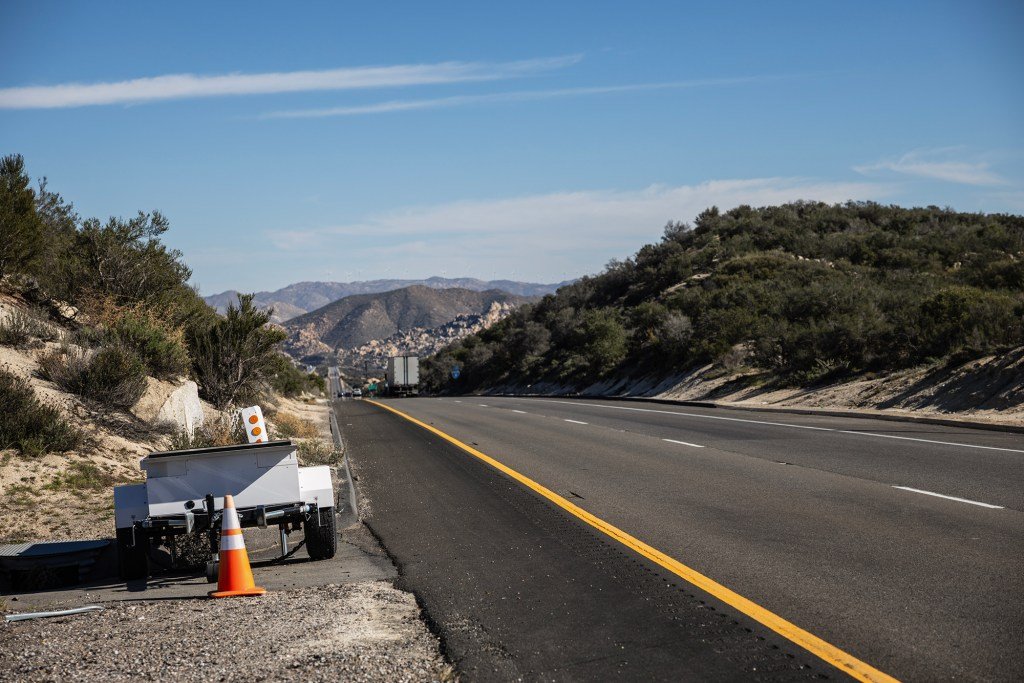
State Permits and Federal Access California's Department of Transportation (Caltrans) has approved eight permits for federal agencies to install ALPRs in state highway rights-of-way since 2024. The agency states it doesn't operate, manage, or access the collected data.
However, California law prohibits state and local agencies from sharing license plate data with federal immigration authorities. A CalMatters investigation revealed that southern California law enforcement agencies have violated this law by sharing ALPR data with federal agencies.
Beyond Border Regions ALPR surveillance extends far beyond border areas. Schools, businesses, Home Depots, and malls across California track license plates. While private entities may not share data with federal authorities, local police with access to these cameras might.
Privacy advocates note that police have concealed ALPRs for over a decade - behind cruiser grills, inside speed limit trailers, or even in fake saguaro cacti.
The Humanitarian Perspective Cordero's volunteer work takes him into remote border terrain where migrants cross. He's found human remains and personal effects, using contact lists to notify families about missing loved ones. The surveillance network threatens this life-saving work.
"People are literally dying out here," Cordero says. "All we're trying to do is prevent people from dying."
As federal agencies expand their surveillance capabilities with state approval, California residents are left wondering who's watching, what data is being collected, and how it might be used against them - even when they've committed no crime.
Comments
Please log in or register to join the discussion