Hideki Sato, the engineer-turned-executive who led development of Sega's iconic consoles from SG-1000 through Dreamcast, has died at 75, marking the loss of a pivotal figure in gaming hardware history.
The gaming industry has lost one of its most influential hardware architects with the passing of Hideki Sato at age 75. Known as the 'Father of Sega Hardware,' Sato spent 33 years at Sega, rising from engineer to acting president and leaving an indelible mark on console gaming history.
Sato began his career at Sega in 1971, just two years before the company released its first electronic coin-op arcade machine, Pong-Tron, in 1973. This early start positioned him perfectly to shape Sega's hardware evolution through multiple console generations.
The SG-1000 Legacy
Sato's R&D team was responsible for Sega's first home console, the SG-1000, which launched in 1983. This console marked Sega's entry into the home market and established the company's rivalry with Nintendo, as both the SG-1000 and Nintendo's Famicom (NES) launched on the same day in Japan.
The SG-1000 wasn't a commercial success, but it laid crucial groundwork. Sato's team iterated with revisions before releasing the Sega Master System in 1986, which found more success, particularly in Europe and Brazil.
16-Bit Wars and Beyond
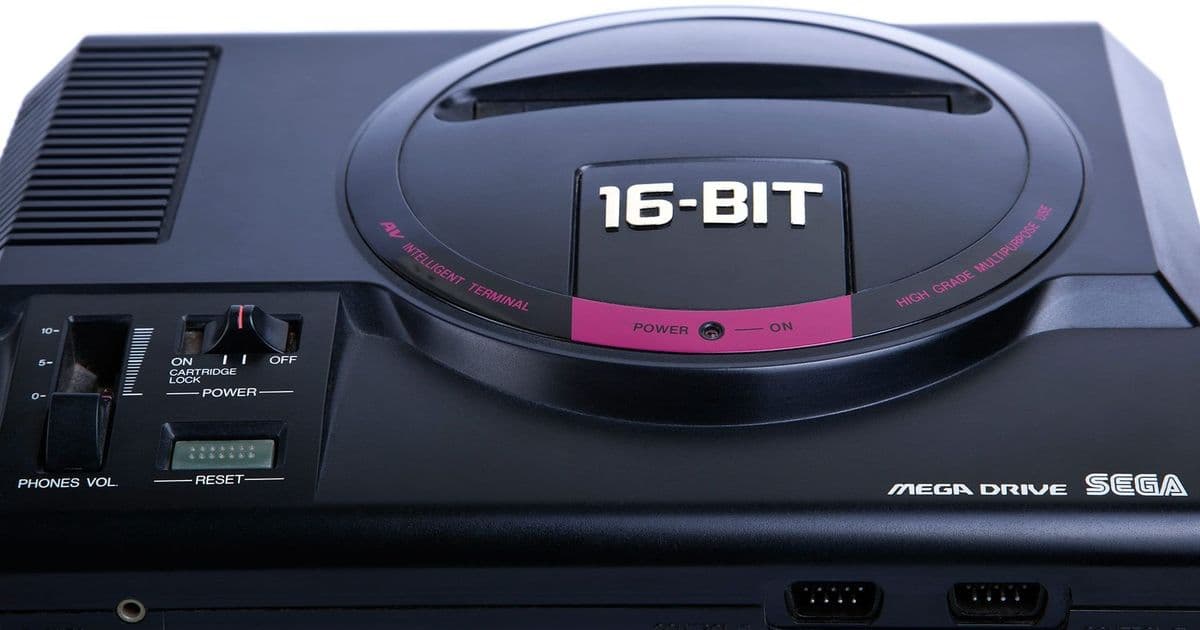
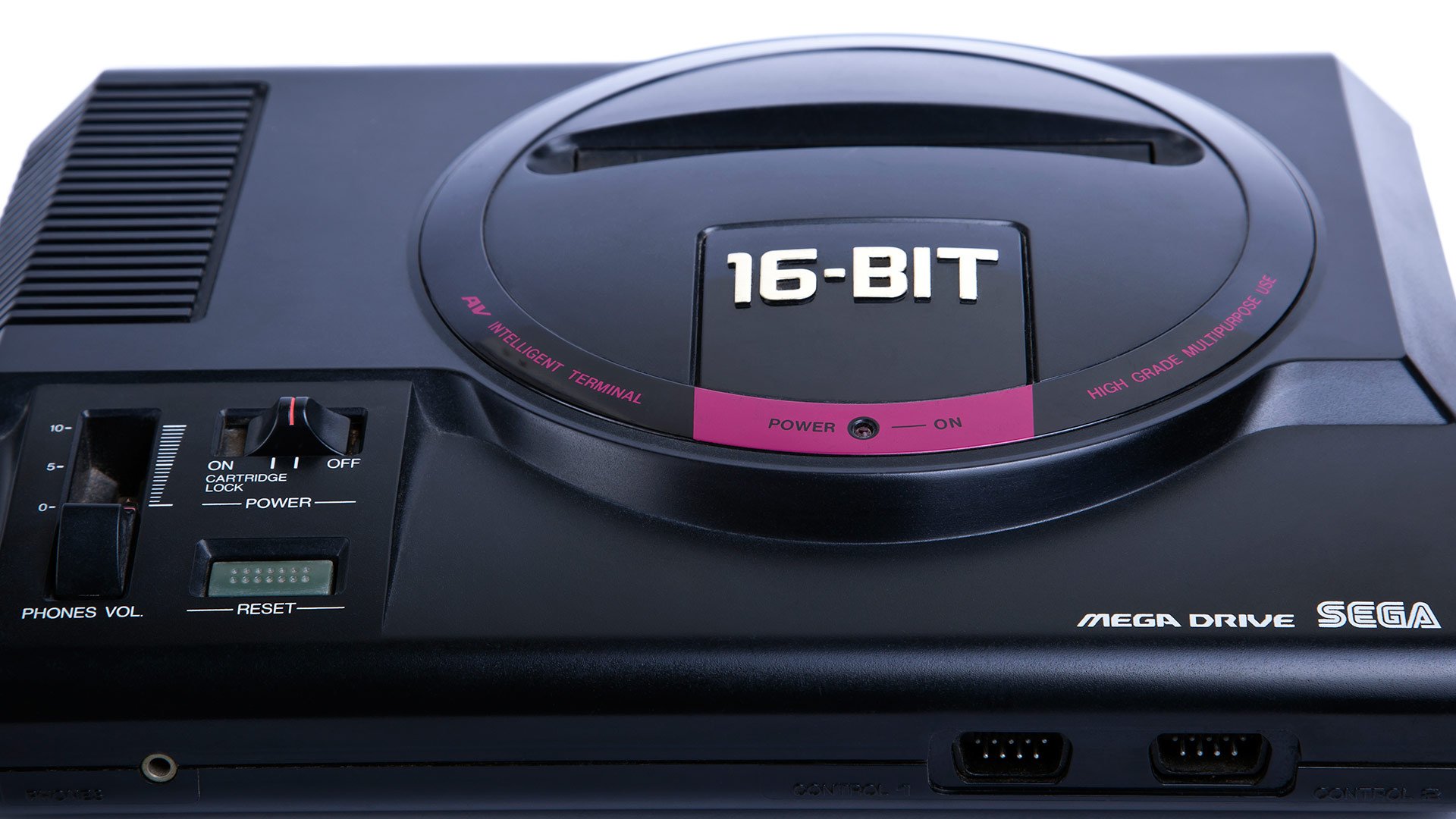
The pinnacle of Sato's hardware leadership came with the Sega Genesis (Mega Drive), launched in 1988/1989. Powered by the Motorola MC68000 processor, the Genesis defined the 16-bit era and sparked the legendary console wars with Nintendo's Super NES.
Under Sato's guidance, Sega expanded its hardware portfolio with the Game Gear handheld in 1990 and numerous Genesis add-ons that extended the console's lifespan. His team then tackled the 32-bit era with the Sega Saturn, released in 1994, which competed directly with Sony's PlayStation.
Executive Evolution
By the time Sega released its final console, the Dreamcast, in 1998, Sato had transitioned to executive oversight roles. The Dreamcast represented Sega's swansong in the hardware market, and while commercially unsuccessful, it's remembered for technical innovation and influential games.
Sato's career trajectory saw him become Sega's acting president from 2002 to 2003, guiding the company through its transition from hardware manufacturer to software-focused publisher. He remained with Sega until 2008, holding chairman and advisory positions during the company's post-hardware years.
Academic Legacy
After leaving Sega, Sato became a Professor at Tokyo University of Science, where he lectured on engineering and gaming hardware history. This academic role allowed him to share his extensive industry knowledge with the next generation of engineers and designers.
Industry Impact
Sato's death follows closely on the heels of Sega co-founder David Rosen's passing, marking a significant moment of reflection for the gaming industry. Together, these losses represent the passing of an era for one of gaming's most influential companies.
Throughout his career, Sato demonstrated the rare ability to combine technical expertise with business acumen. His journey from engineer to executive mirrored Sega's own evolution, and his leadership helped define multiple console generations that shaped modern gaming.
Sato passed away on Friday, February 13, at age 75. His contributions to gaming hardware continue to influence console design and development, ensuring his legacy will endure in the industry he helped build.
Comments
Please log in or register to join the discussion