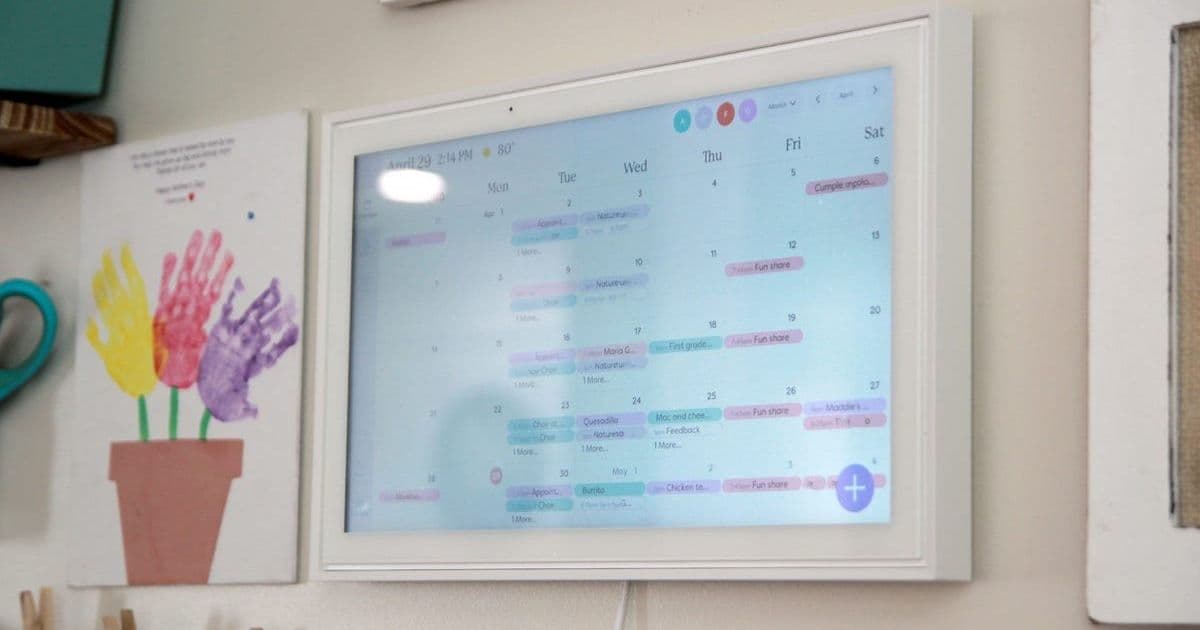
The Skylight Calendar's persistent display and seamless syncing transformed one family's chaotic schedule management. This deep dive explores why this Android-based smart display justifies its price for busy households, even as it faces limitations in chore tracking visibility.
The Digital Command Center: How the Skylight Calendar Conquered Household Chaos
For families drowning in missed appointments, forgotten share days, and scheduling conflicts, the wall calendar has long been a lifeline. But as Maria Diaz details in her ZDNET review, traditional paper calendars often fail in our hyper-connected, constantly shifting lives. Enter the Skylight Calendar – a 15-inch Android-based smart display designed explicitly for shared household or team coordination, now discounted to $269.99 ($50 off).
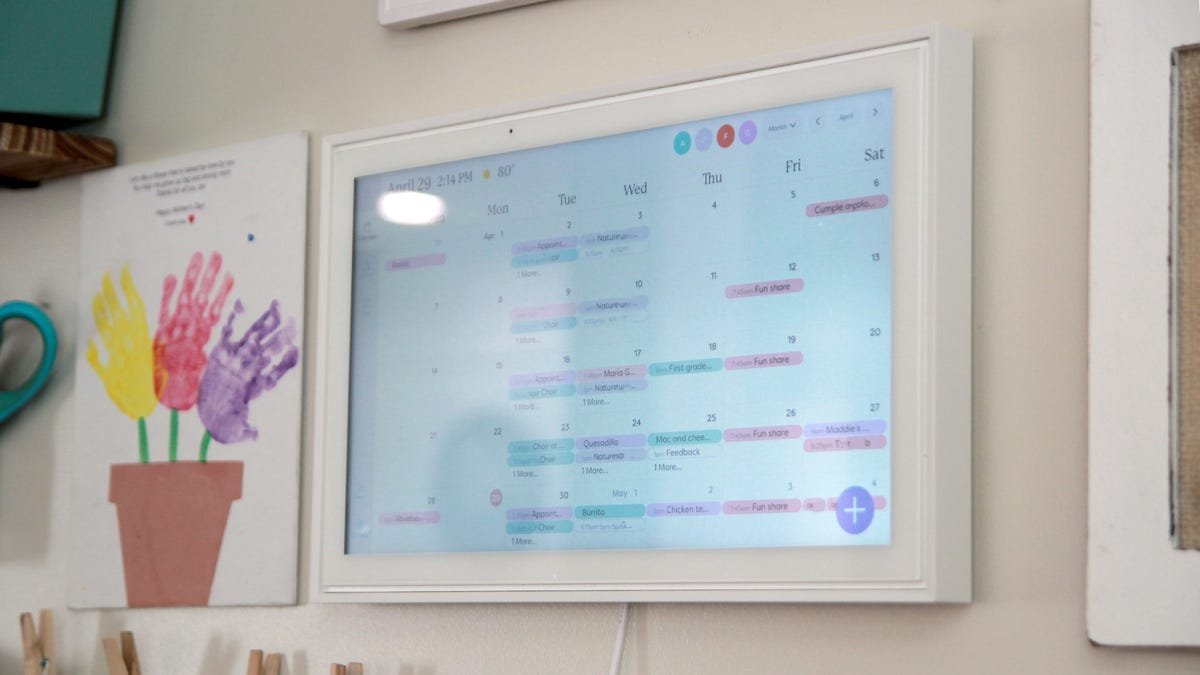 The Skylight Calendar mounted in a family 'drop zone' provides constant visibility of schedules. (Source: Maria Diaz/ZDNET)
Beyond Paper: The Always-On Family Hub
The core innovation lies in its persistent visibility. Unlike phone apps buried in pockets or digital calendars requiring deliberate checks, the Skylight Calendar displays the schedule 24/7 (configurable for sleep times). Mounted centrally, it becomes an unavoidable focal point:
- Real-Time Syncing: Events added via the companion app (iOS/Android) or a unique Skylight email address appear almost instantly. It integrates with Google, Outlook, Apple, Cozi, and Yahoo calendars.
- Universal Access: Children without phones and adults alike can view upcoming commitments at a glance.
- Multi-Function Hub: Beyond events, it manages chore assignments and dinner plans, though Diaz notes a key limitation: chores don't appear directly on the main calendar view, requiring separate checks.
Technical Underpinnings and Trade-offs
Running a customized Android OS, the touchscreen interface prioritizes simplicity for shared family use. Key technical considerations:
- Subscription Model: While core calendar functionality is free, Skylight Plus ($39/year) unlocks features like using the display as a digital photo frame during idle times and automatically converting emailed PDFs into calendar events.
- Hardware Options: The 15-inch model ($269.99 on sale, normally $320) suits busy families needing high visibility. A more affordable 10-inch version ($160, with a silver model at $250) targets smaller households or individuals.
- Longevity Concerns: Diaz initially hesitated due to Skylight being a less established brand versus Apple or Samsung, fearing potential obsolescence. However, 18 months of use with ongoing software updates alleviated these concerns.
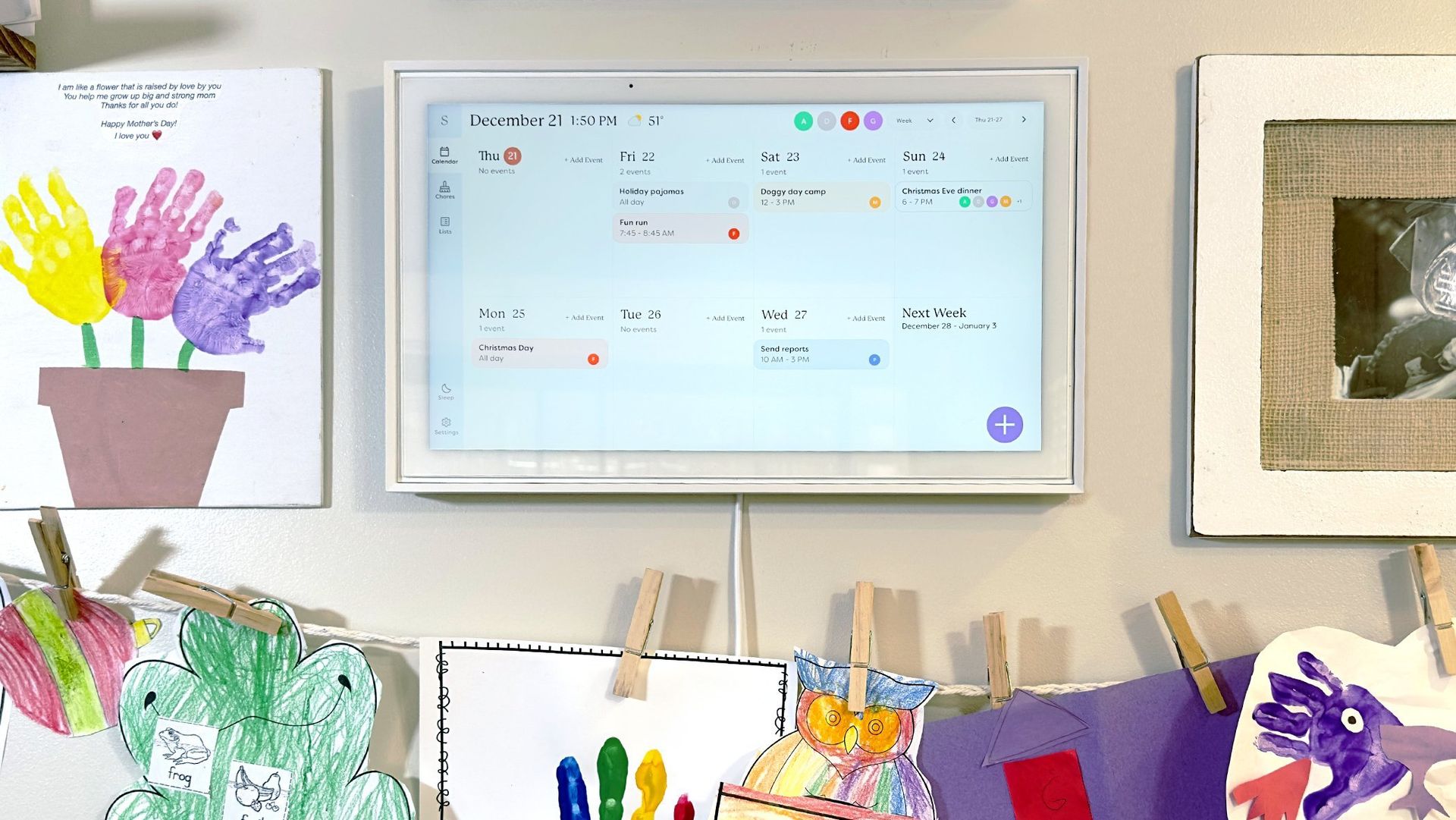 The Skylight interface showing event, chore, and dinner planning features. (Source: ZDNET)
Why This Matters for Tech-Centric Households
The Skylight Calendar represents a shift from personal digital organization to shared, ambient intelligence in the home. It solves a critical pain point: ensuring schedule visibility for all stakeholders without relying on individual device checks. While the price point is significant ($320 regular for the 15-inch), Diaz argues the tangible reduction in missed appointments and family coordination stress delivers real value, transforming it from a luxury to a practical organizational tool. Its success highlights the growing demand for dedicated, frictionless solutions that bridge the gap between digital convenience and the physical spaces where families actually live and coordinate.
For developers and tech leaders, the Skylight Calendar underscores a broader trend: hardware designed around specific, persistent information needs within shared environments. Its reliance on simple syncing protocols (email, standard calendar APIs) rather than proprietary ecosystems also offers a lesson in practical interoperability. As Diaz concludes, the proof is in the transformed daily routine – a home where the chaos of scheduling has finally found its center.
Comments
Please log in or register to join the discussion