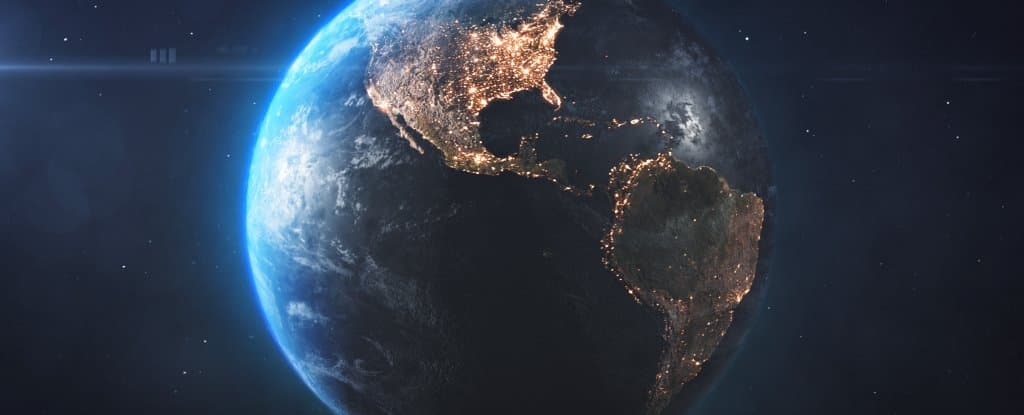
Imagine flipping every light switch simultaneously—a global electricity surge would push power grids to the brink, revealing the fragile dance of supply and demand. While innovations like LEDs and grid management might avert disaster, the real cost could be a sky drowned in light pollution, erasing the stars and disrupting ecosystems worldwide.

In a world increasingly defined by instant connectivity, a thought experiment cuts to the core of our energy infrastructure: What if every light on Earth was switched on at once? The answer isn't just about blinding brightness—it's a stress test for global electricity systems, exposing vulnerabilities in grid stability, the race for responsive power generation, and the unintended consequences of our illuminated lives.
At its heart, this scenario would trigger an unprecedented demand spike. Electricity, generated from diverse fuels like coal, natural gas, uranium, wind, and sunlight, flows through a complex grid that must balance supply and demand in real-time. As Harold Wallace, Curator at the Smithsonian's National Museum of American History, explains, "When someone turns on a light, they draw power from the grid. A generator must immediately feed an equal amount of power into the grid." Fail this equilibrium, and blackouts cascade within seconds.
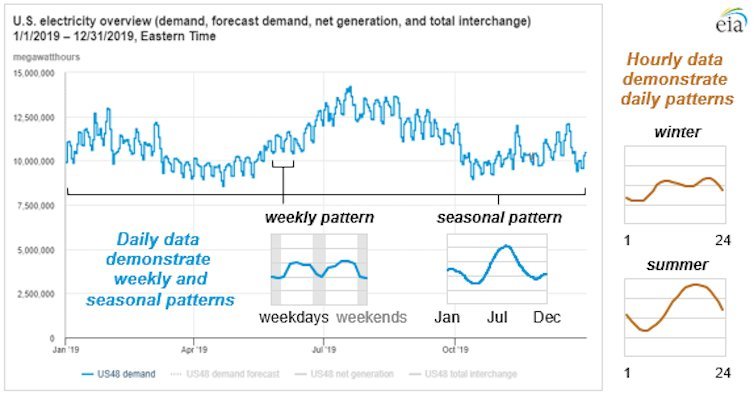
Grid operators rely on sensors and AI-driven systems to monitor load—total power demand—which fluctuates hourly and seasonally. Coal and nuclear plants offer steady output but lag in responsiveness, while natural gas facilities can ramp up quickly to handle peaks. Renewables like solar and wind, though cleaner, introduce volatility due to their dependency on weather. Battery storage helps smooth fluctuations, but as Wallace notes, "It's not yet possible to store enough electricity in batteries to run an entire town or city." Hydropower's pumped storage, where water is released through turbines during high demand, provides a cushion but isn't globally scalable.
Fortunately, two tech-driven safeguards might prevent a total grid collapse. First, the world lacks a single interconnected grid; regional systems (like the US-Canada network) can isolate faults. Second, the LED revolution has dramatically altered the equation. These semiconductor-based bulbs, generating light with minimal heat, use up to 90% less energy than incandescents. By 2020, nearly half of US homes relied on LEDs, saving households $225 annually and reducing the hypothetical global surge's strain.
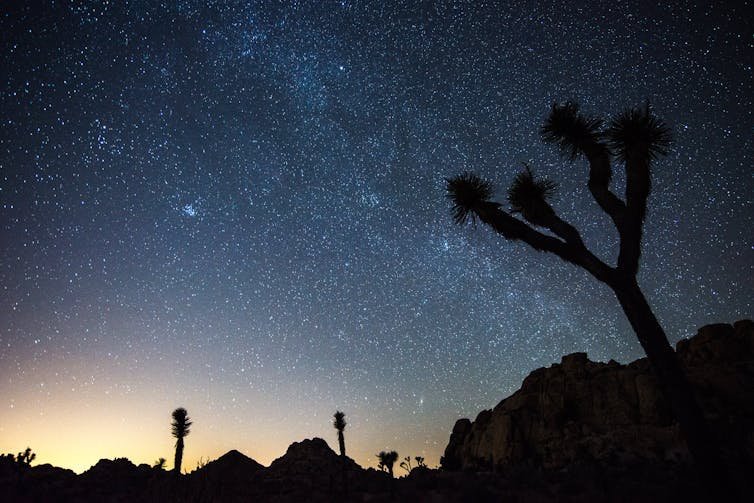
Yet, the surge's aftermath would illuminate a darker issue: light pollution. A sudden global switch-on would amplify sky glow—the hazy luminescence from light reflecting off atmospheric particles—obscuring stars and harming both humans and wildlife. Poorly directed urban lighting, such as streetlamps shining upward or 24/7 office buildings, wastes energy and exacerbates this. In places like Joshua Tree National Park, the encroaching glow from cities already masks celestial wonders.
The implications extend beyond a fleeting blackout risk. For developers and engineers, this underscores the urgency of smart grid innovations—like AI load forecasting and decentralized renewables—to handle demand spikes sustainably. Meanwhile, the rise in sky glow highlights a silent crisis: disrupted circadian rhythms in humans and disorientation in species from insects to sea turtles. As we brighten our world, the challenge isn't just keeping the lights on; it's ensuring we don't lose the night itself in the glare.
This article is republished from The Conversation under a Creative Commons license. Read the original article here. Source: Harold Wallace, The Conversation.
Comments
Please log in or register to join the discussion