
Major League Baseball is leveraging AI to transform player development, injury prevention, and fan experiences. Teams like the Astros and Dodgers use machine learning for strategic advantages while raising new ethical questions about data's role in America's pastime.
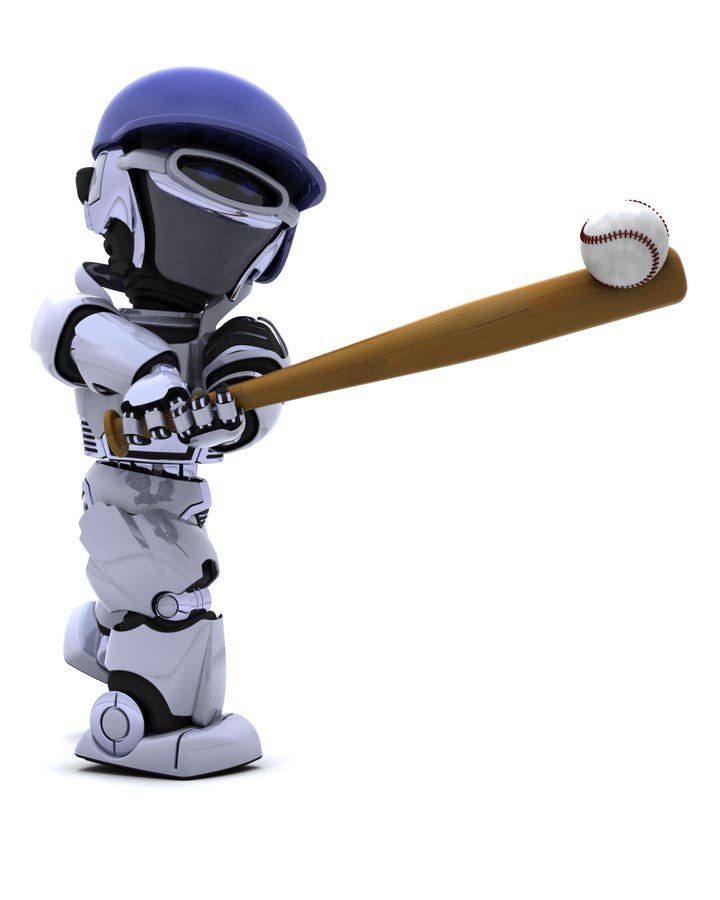
In America's most tradition-steeped sport, a quiet technological revolution is rewriting baseball's future. Major League Baseball teams are deploying artificial intelligence not to replace human talent, but to amplify it—transforming how players train, how teams strategize, and how fans experience the game. This fusion of algorithms and athletics represents a fundamental shift in sports technology with implications far beyond the diamond.
Beyond the Box Score: AI's Strategic Curveball
The Houston Astros pioneered this movement, using predictive algorithms to analyze player performance and optimize game strategy long before their 2017 World Series win. Their systems process terabytes of data—from pitch velocity and spin rates to defensive positioning patterns—generating insights that inform everything from batting orders to bullpen decisions. What began as "moneyball" analytics has evolved into real-time machine learning models that identify micro-patterns invisible to human scouts.
The Injury Prevention Game-Changer
Wearable sensors and computer vision now monitor athletes with unprecedented precision. The Los Angeles Dodgers employ motion-capture technology paired with AI diagnostics to assess biomechanics during play. These systems flag subtle movement irregularities that precede injuries, allowing trainers to adjust workloads before damage occurs. Real-time fatigue and stress metrics enable scientifically optimized recovery protocols—potentially extending careers and saving teams millions in lost productivity.
Scouting's Digital Renaissance
Recruitment has shifted from gut instinct to data archaeology. The Chicago Cubs analyze thousands of college and minor league performances through AI lenses that detect undervalued talent. Machine learning models cross-reference physical metrics, swing kinematics, and situational outcomes to project player development trajectories—identifying prospects who might otherwise be overlooked in traditional scouting.
The Augmented Ballpark Experience
Fan engagement enters the digital era at venues like San Francisco's Oracle Park, where AI-driven apps deliver personalized game insights and AR overlays. Computer vision enables instant replay analysis for spectators, while chatbots handle concessions orders. Virtual reality stations even let fans experience pitching perspectives—blurring the line between spectator and participant.
The Ethical Warning Track
This technological gold rush raises critical questions:
"How do we balance algorithmic advantage with competitive fairness when wealthier teams deploy superior AI? What happens to player privacy when biometrics are constantly monitored?"
As baseball navigates these challenges, it becomes a test case for responsible AI adoption in high-stakes environments. The true measure of success won't be in algorithms alone, but in preserving baseball's soul while enhancing its science.
The convergence of America's pastime with cutting-edge AI demonstrates technology's power to elevate human potential without erasing tradition. For developers, these implementations offer blueprints for real-world machine learning applications where milliseconds and millimeters matter. As algorithms continue refining baseball's artistry, they remind us that even in a data-driven future, the magic lies in the unexpected—the crack of the bat, the diving catch, and the moments no model could predict.
Source: Based on original reporting by Neil Sahota in Forbes
Comments
Please log in or register to join the discussion