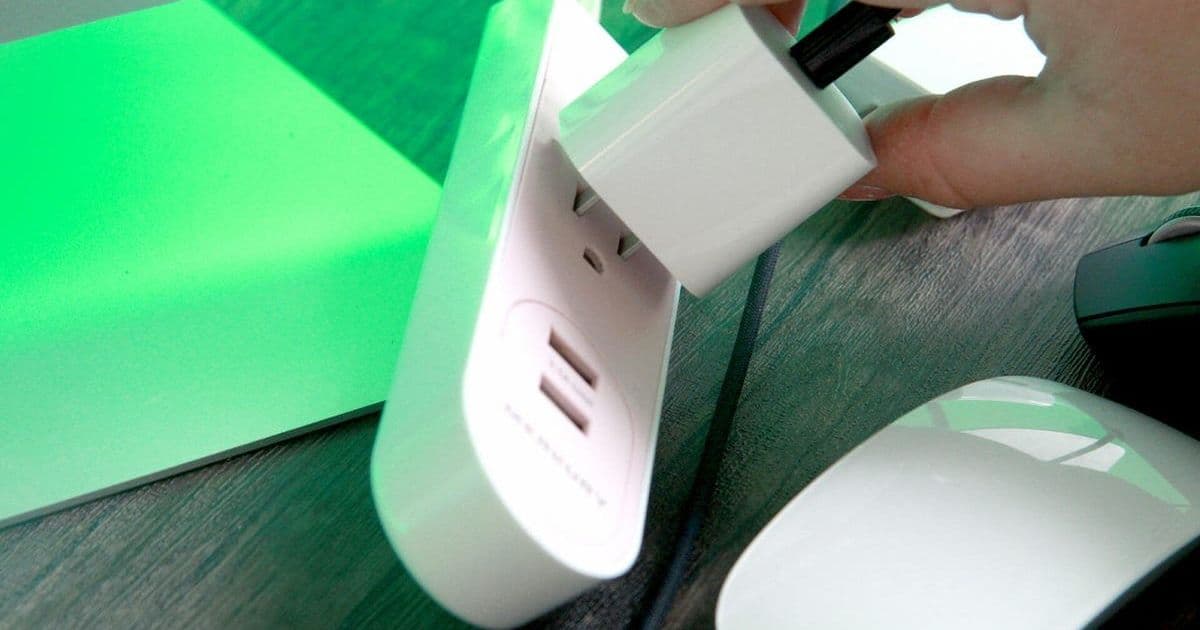
With energy costs soaring, tech users can save nearly $200 annually by identifying and disconnecting idle 'vampire devices' lurking in homes. This analysis reveals which common gadgets—from gaming consoles to smart plugs—secretly drain power and offers actionable strategies for developers and households to optimize energy use.
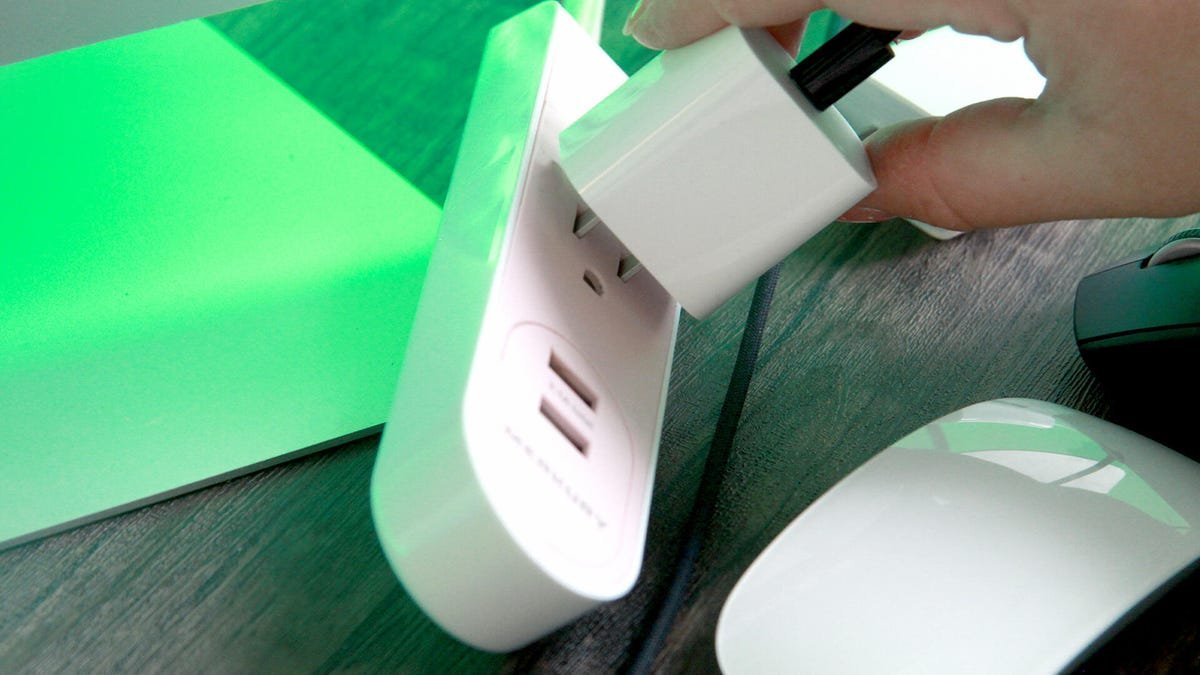
As summer temperatures shatter records and energy bills climb, tech enthusiasts face a hidden adversary: phantom power consumption from devices silently sipping electricity even when 'off.' Known as 'vampire devices,' these gadgets—ubiquitous in modern smart homes—can cumulatively cost households hundreds yearly. For developers and engineers, understanding this inefficiency isn't just about personal savings; it highlights opportunities for designing more energy-conscious IoT systems and underscores the real-world impact of standby power in an increasingly connected world.
The Stealthy Culprits: Quantifying Tech's Energy Drain
Maria Diaz's investigation for ZDNET reveals startling data on common offenders:
- Entertainment & Office Gear: Idle TVs ($2–$6/year), printers ($3–$8/year), and gaming consoles like PlayStation or Xbox (up to $12/year) often remain plugged in, consuming 1.5W–10W in standby. Unplugging these during extended downtime adds up fast, especially in multi-device households.
- Kitchen Tech: A Keurig in 'ready' mode guzzles 60W–70W—costing up to $60 annually—by maintaining water temperature. Even mini-fridges can drain $130/year if left running empty. Diaz notes: "Scheduling smart plugs for such devices slashes waste without sacrificing convenience."
- Smart Home Gadgets: While efficient individually, smart bulbs and plugs (drawing ~1W) compound costs when deployed en masse. Unused units should be disconnected, though strategically employed smart plugs can cut energy use—like automating older appliances to activate only when needed.
Beyond Unplugging: Engineering Smarter Habits
For tech-savvy users, Diaz emphasizes compounding savings through systemic changes:
- Audit and Isolate: Use energy monitors (like EcoFlow’s Smart Home Panel) to identify high-draw circuits. Diaz reduced her home’s consumption from 1.2kWh to 600Wh during outages by targeting non-essential devices.
- Leverage Automation: Smart plugs enable precision control—e.g., powering a grow light or fan only during active hours, transforming passive drains into managed assets.
- Prioritize Upgrades: Switching to LEDs (80–90% more efficient than incandescents) and improving home insulation amplify savings. Utility programs often offer rebates for such retrofits.
Why This Matters for Tech Innovators
The vampire device phenomenon exposes a critical challenge in IoT design: balancing connectivity with efficiency. As Diaz observes, "Smart devices remain energy vampires by necessity—always listening for commands." This creates fertile ground for developers to pioneer low-power protocols or hardware that minimize phantom loads without compromising functionality. Meanwhile, consumers adopting Diaz’s approach gain firsthand insight into energy accountability—a mindset that could drive demand for greener tech solutions.
Ultimately, unplugging isn't just frugal; it’s a micro-rebellion against thoughtless consumption. In an era of climate urgency and rising costs, mastering these small acts of efficiency empowers tech users to redirect resources toward innovation, not waste.
Source: ZDNET (Maria Diaz, August 3, 2025)
Comments
Please log in or register to join the discussion