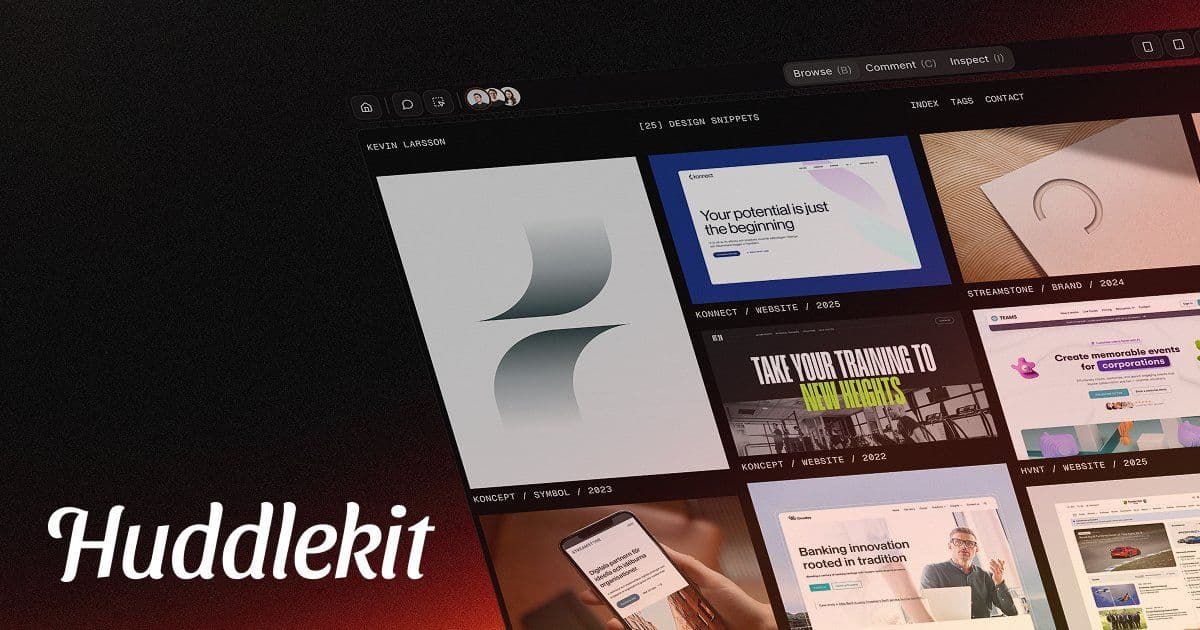
Huddlekit launches a browser-based tool enabling designers and developers to annotate, inspect, and compare website breakpoints in a single tab. The platform promises to eliminate fragmented workflows by consolidating feedback for static sites, Webflow, and React apps. Early adopters report significant reductions in launch cycles through streamlined client and team collaboration.
For web developers and designers, the review process often involves a chaotic dance between browser tabs: annotations in one tool, CSS inspection in DevTools, responsive testing in another extension, and endless Slack threads. This fragmentation routinely delays launches and introduces errors. Huddlekit, a new entrant in the collaboration space, aims to consolidate this workflow into a unified visual feedback environment—all within a single browser tab.
The Core Pain Points Addressed
- Visual Annotation Overload: Jumping between tools like Figma comments, browser extensions, and developer consoles disrupts focus and causes feedback to slip through cracks.
- Breakpoint Blind Spots: Responsive design flaws emerge when teams can't simultaneously compare desktop, tablet, and mobile views.
- Client Collaboration Friction: Non-technical stakeholders struggle with abstract bug reports, leading to misinterpreted requests.
Huddlekit’s Integrated Approach
Huddlekit tackles these challenges head-on with four tightly integrated modes:
- Comment Mode: Direct pin-and-annotate functionality on live websites, replacing scattered screenshot markups.
- Inspect Mode: Built-in CSS/HTML inspection tools for immediate debugging without toggling browser DevTools.
- Canvas View: Side-by-side comparison of all breakpoints—critical for spotting responsive rendering issues early.
- Guest Access: Client-friendly shareable links that require no account setup, accelerating stakeholder reviews.
"Huddlekit stood out by making internal/external collaboration effortless. Eliminating app-switching has been a game-changer," reports Douglas Tamm, UI Designer at Snöboll.
Technical Implications for Development Teams
The platform’s agnosticism toward tech stacks—supporting static sites, Webflow, React, and staging environments—removes workflow silos. For freelancers and agencies, this means:
- Accelerated QA Cycles: Catch UI/UX flaws before production, reducing costly post-launch fixes.
- Context Preservation: All feedback lives attached to specific elements and breakpoints, eliminating ambiguous "the button looks weird" tickets.
- Pricing Flexibility: A free Starter tier (1 project, 3 members) scales to Team plans ($39/month for unlimited projects), cheaper than client churn from delayed launches.
While established players like InVision or Figma Comments focus on design prototypes, Huddlekit uniquely bridges the gap to live implementation. Its browser-native approach could signal a shift toward context-aware developer tools that reduce cognitive load. For teams drowning in disjointed feedback loops, consolidating these workflows might just be the catalyst for smoother launches and happier clients.
Source: Huddlekit
Comments
Please log in or register to join the discussion