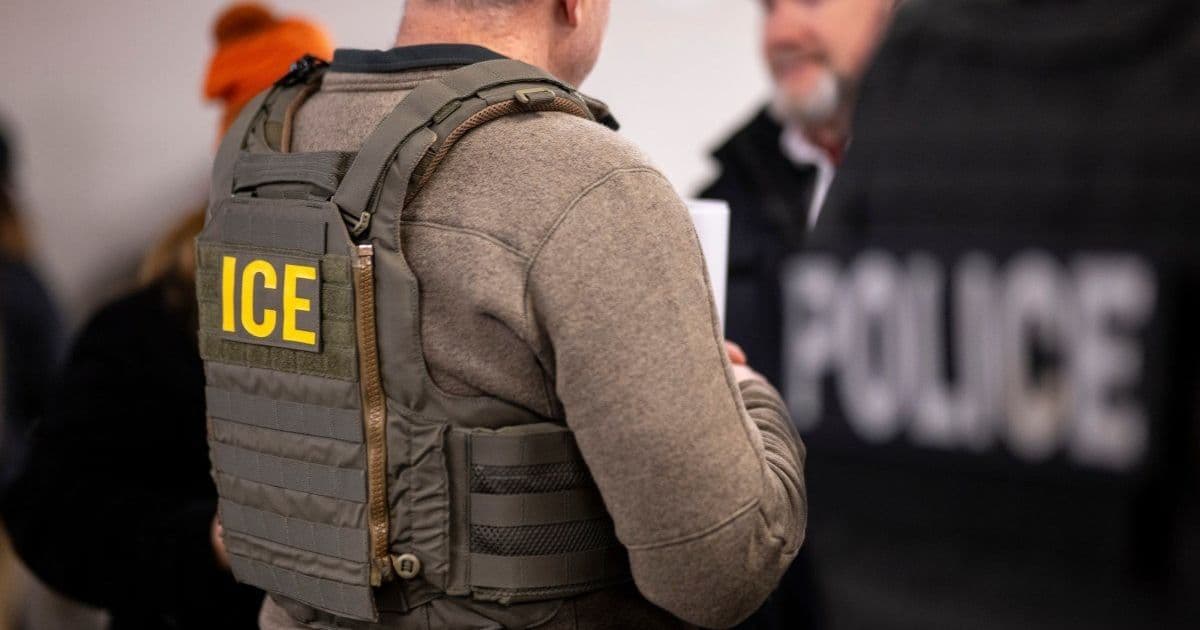
U.S. Immigration and Customs Enforcement paid $825,000 for specialized vehicles equipped with cell-site simulators—controversial surveillance tools that mimic cell towers to track phones. The contract with TechOps Specialty Vehicles reveals ongoing investment in warrantless surveillance capabilities amid privacy concerns.
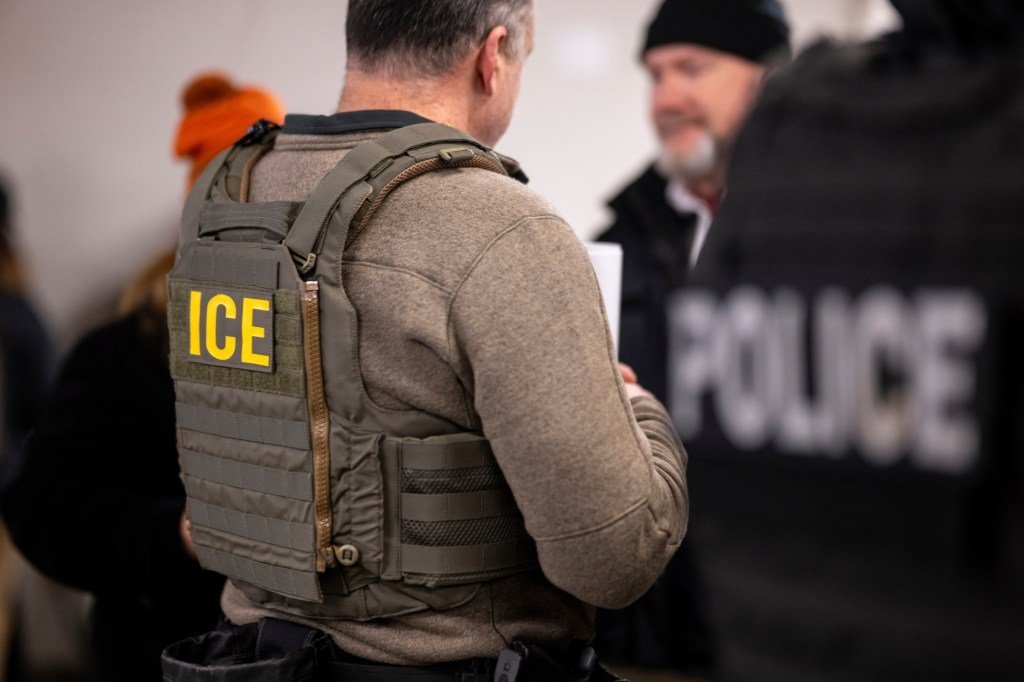
U.S. Immigration and Customs Enforcement (ICE) has invested $825,000 in surveillance vehicles equipped with cell-site simulators—devices capable of covertly tracking mobile phones—according to newly revealed federal contracts. The May 2025 agreement with Maryland-based TechOps Specialty Vehicles (TOSV) modifies an existing Homeland Security Technical Operations program to supply "additional CSS Vehicles," continuing a pattern of surveillance investments that began before the current administration. This follows an $818,000 contract signed with TOSV in September 2024, signaling sustained reliance on the technology despite ongoing debates about its legality and ethical implications.
The Invisible Dragnet: How Cell-Site Simulators Work
Cell-site simulators (CSS), commonly called "stingrays" after early Harris Corporation models, mimic legitimate cell towers. By broadcasting stronger signals than genuine infrastructure, they force all nearby phones—regardless of user identity—to connect to them. This allows law enforcement to:
- Pinpoint device locations with unnerving precision (far exceeding traditional cell-tower triangulation)
- Capture International Mobile Subscriber Identity (IMSI) numbers
- Potentially intercept calls, texts, and data traffic
"We integrate that product into our overall design of the vehicle," TOSV President Jon Brianas confirmed to TechCrunch, though he cited "trade secrets" when asked about CSS suppliers or deployment specifics. This secrecy extends to law enforcement use: Agencies operate under strict non-disclosure agreements about CSS capabilities, and warrants aren't consistently obtained.
A Decade of Covert Deployment and Controversy
ICE's CSS usage is extensive and escalating:
- 1,885+ deployments between 2013-2017 (BuzzFeed News)
- 466+ deployments between 2017-2019 (ACLU documents)
- Recent warrants reveal CSS aided gang-related deportations
Privacy advocates argue CSS inherently violate Fourth Amendment rights by collecting data indiscriminately. "These devices ensnare innocent people by default," notes the ACLU, emphasizing their ability to vacuum data from bystanders during targeted operations.
The Vanishing Point: TOSV's Custom Surveillance Platforms
TOSV specializes in tactical vehicles for law enforcement, including:
- Mobile Forensic Labs: For "on-site forensic analysis" and evidence handling
- Command Vans: Configurable for "advanced surveillance and mission coordination"
- SWAT/Bomb Squad Units
While CSS capabilities aren't advertised on TOSV's site, the ICE contracts explicitly reference "Cell Site Simulator Vehicles." This ambiguity raises questions: Are CSS integrated into forensic vans labeled for evidence processing? Or do they operate within unmarked surveillance units?
ICE declined to answer TechCrunch’s questions about deployment protocols, warrant requirements, or specific use cases—leaving technologists and civil liberties groups to confront a stark reality: As mobile surveillance platforms evolve, the line between targeted investigation and dragnet monitoring grows increasingly blurred.
Source: TechCrunch
Comments
Please log in or register to join the discussion