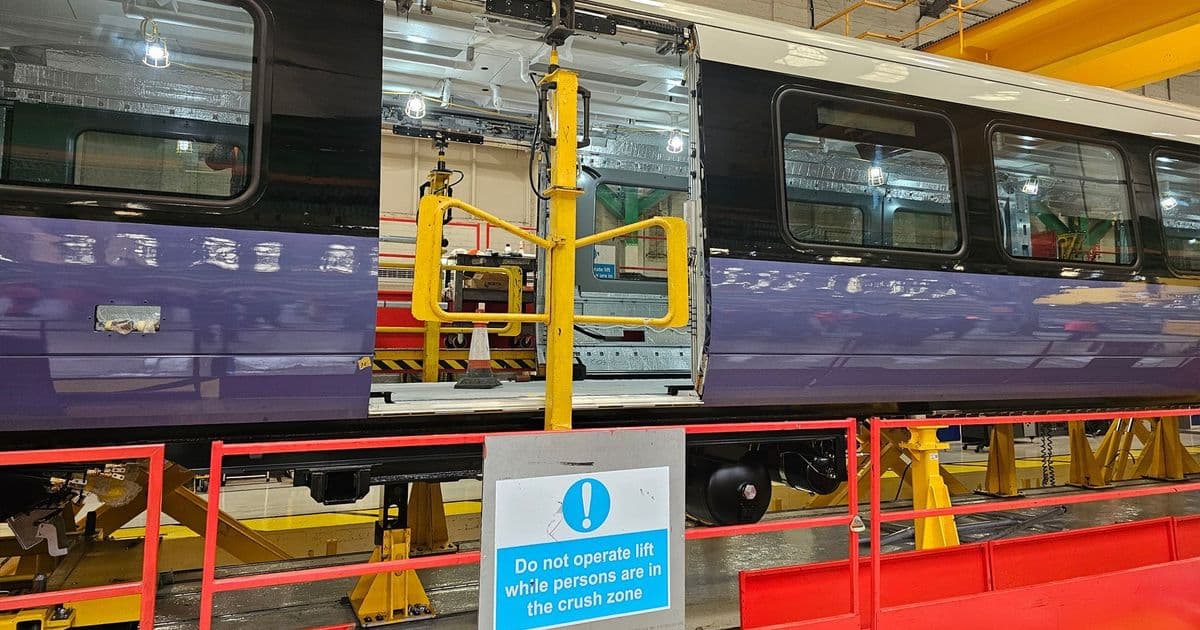
Alstom's Derby factory is engineering the Elizabeth Line's new trains with innovative manufacturing techniques and sophisticated software simulations. Discover how ultrasonic weld testing, upside-down assembly, and digital twins ensure these 'computers on wheels' meet London's surging transit demands.
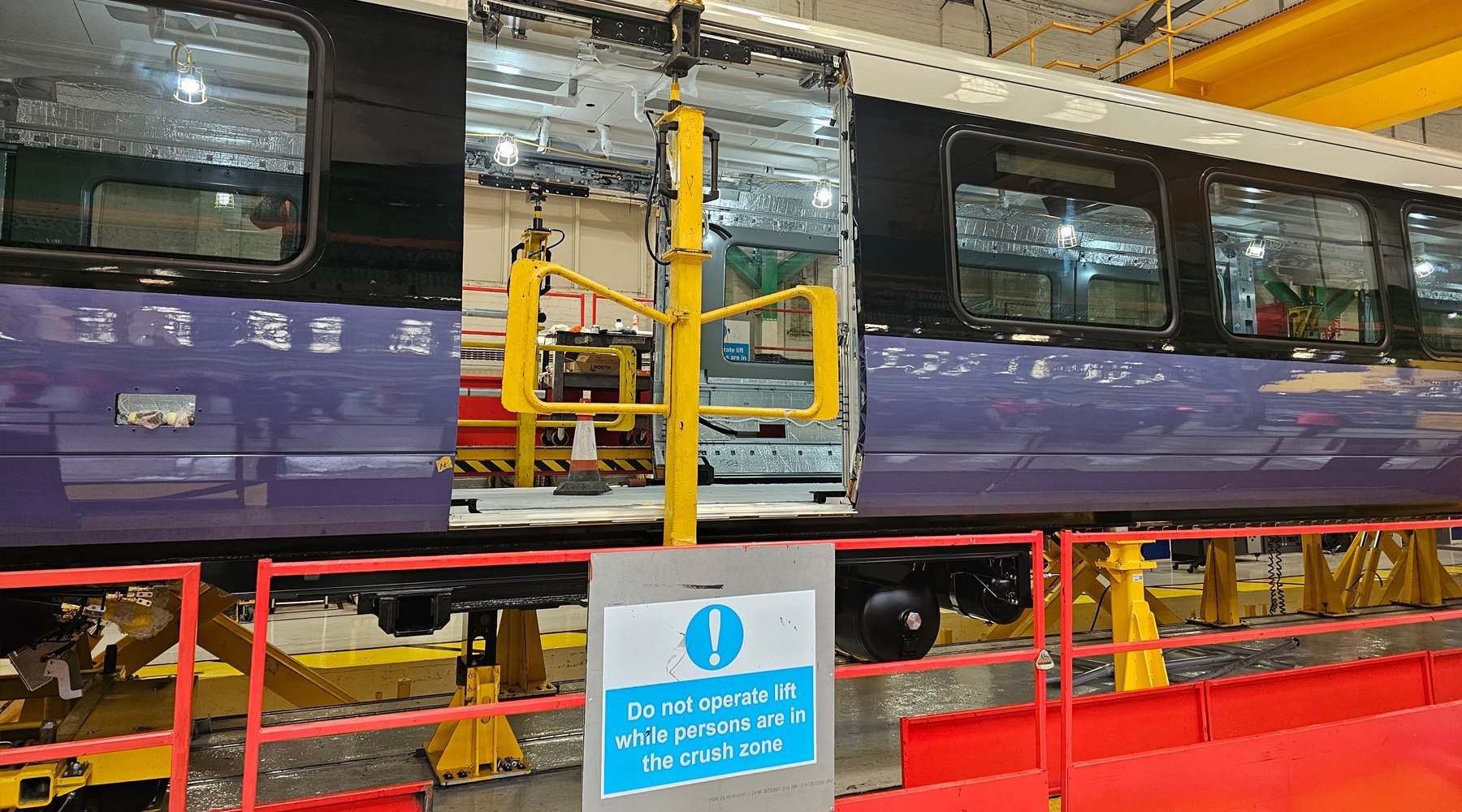
When the Elizabeth Line carried over 1 million passengers in a single day last September, engineers in Derby were already constructing the next generation of trains to support London's growing transit needs. The £370 million project isn't just about adding capacity—it's a showcase of advanced manufacturing and software integration transforming modern railways.
Engineering Upside Down
The assembly process defies conventional wisdom: trains begin life upside down. {{IMAGE:4}} shows welders assembling floor plates positioned ceiling-up. "It's much easier to install electrical systems by looking down than looking up," explains the approach. Each 200-meter train is built in modular sections—floors, ceilings, walls, and doors—with a new carriage completed weekly. After welding, components undergo revolutionary ultrasonic scanning instead of traditional water tests, detecting micro-faults in seams before a single drop hits the metal.
The Digital Nervous System
Beyond the factory floor, Alstom's simulation center reveals the true complexity of these machines. Engineers test software updates in a full-scale replica cab surrounded by five miles of real wiring—meticulously replicating signal latency across the train's length. "A modern train is less a train than a computer on wheels," observes the team, as they simulate scenarios from signal failures to station approaches using digital twins. This fall, a software update will deploy across the fleet, refining operations based on driver-reported issues tested in this virtual environment.
Capacity and Code
The 10 new trains (entering service from late 2026) enable a "one-in, one-out" maintenance strategy for the eight-year-old existing fleet. Crucially, they'll unlock higher frequency through central London by 2027. Supporting this expansion is a UK-wide ecosystem: 40 companies and 1,000+ employees contribute components, from purple-clad exterior panels to hand-assembled wiring harnesses.
As Londoners await these upgrades, Derby's blend of tactile engineering and digital precision underscores a fundamental shift: today's railways run as much on code as they do on rails.
Source: First look inside the Derby factory building the Elizabeth line’s new trains by Ian Mansfield
Comments
Please log in or register to join the discussion