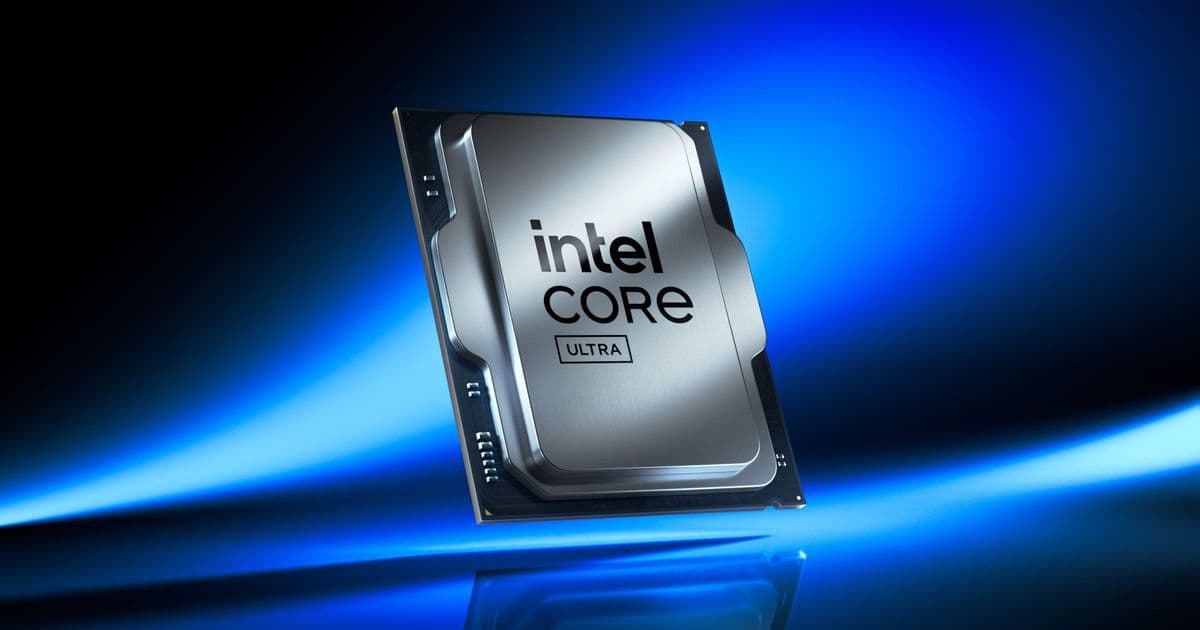
Early retailer listings suggest Intel's Core Ultra 200K Plus processors may offer performance improvements at current price points, potentially giving the company an edge over AMD's Ryzen 9000 series.
Romanian retailer dataSPOT has leaked what appear to be pricing details for Intel's upcoming Core Ultra 200K Plus processors, the Arrow Lake Refresh lineup that could deliver performance improvements without the typical price premium associated with processor refreshes.
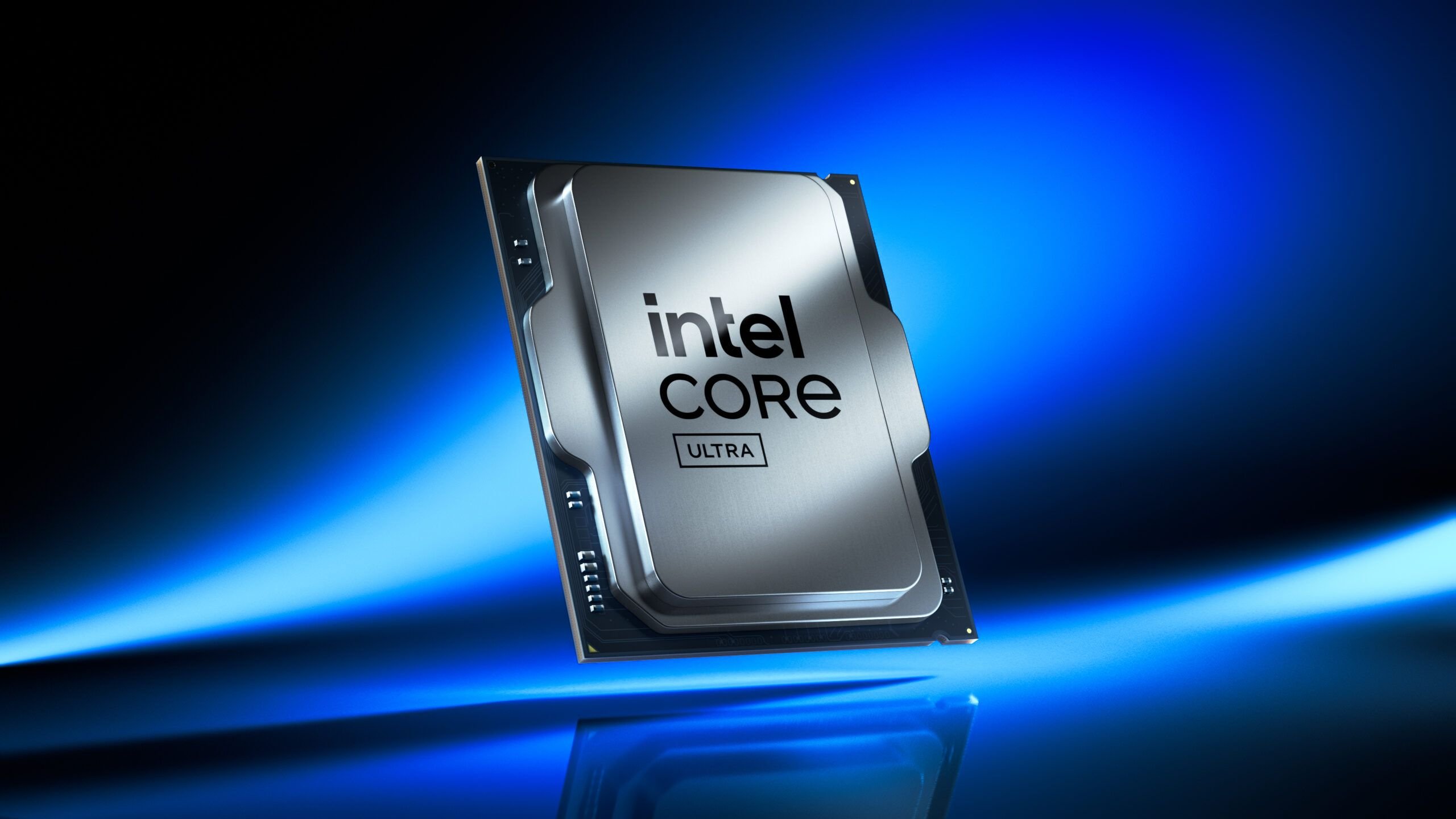
The listings reveal three "Plus" variants that represent mid-cycle updates to existing Arrow Lake chips. The Core Ultra 7 270K Plus appears as the refreshed successor to the Core Ultra 7 275K, while the Core Ultra 5 250K Plus and Core Ultra 5 250KF Plus bring minor performance upgrades to the existing Core Ultra 5 245K and Core Ultra 5 245KF SKUs, respectively.
What makes these listings particularly interesting is Intel's apparent pricing strategy. If the retailer data proves accurate, the Core Ultra 7 270K Plus may command only a 3% premium over the existing Core Ultra 7 265K, priced at approximately $394 compared to $382. More notably, the Core Ultra 5 250K Plus and Core Ultra 5 250KF Plus could be priced identically to their predecessors at $262 and $243 respectively.
This aggressive pricing approach suggests Intel is taking a consumer-friendly stance with its refresh strategy. Rather than following the typical pattern of modest performance improvements paired with incremental price increases, Intel appears to be offering performance gains at comparable or only slightly higher price points.
The timing of this refresh is significant given the market dynamics. Intel's initial Arrow Lake family received a poor reception, creating an opening for AMD's Ryzen 9000 (Granite Ridge) processors to gain market share. By delivering even minor performance improvements without substantial price increases, Intel could potentially sway customers who might otherwise consider AMD's offerings.
However, there are important caveats to consider. Retailer listings often use estimated or placeholder pricing for unreleased hardware, and the actual launch prices may differ significantly from those currently displayed. Industry watchers should treat these figures as preliminary until Intel provides official MSRPs.
The Arrow Lake Refresh also faces platform challenges that could impact its market reception. These Lion Cove-and Skymont-based chips represent the final series on Intel's LGA1851 socket before the company transitions to the rumored next-generation LGA1954 socket for Nova Lake in late 2026. This lack of long-term upgrade path, combined with the aging architecture and rising DDR5 pricing driven by the AI-induced memory shortage, creates additional considerations for potential buyers.
For consumers evaluating their CPU upgrade options, the Arrow Lake Refresh presents an interesting proposition: modest performance gains without the typical price premium, but within a platform that may have limited longevity. The success of this strategy will likely depend on how significant the performance improvements prove to be and whether they're sufficient to compete with AMD's current-generation offerings.
The processor market continues to evolve rapidly, with both Intel and AMD making strategic decisions about pricing, performance, and platform longevity. Intel's approach with the Arrow Lake Refresh suggests a willingness to prioritize competitive pricing over maximizing margins, potentially signaling a shift in strategy as the company seeks to regain market momentum against its rival.
Comments
Please log in or register to join the discussion