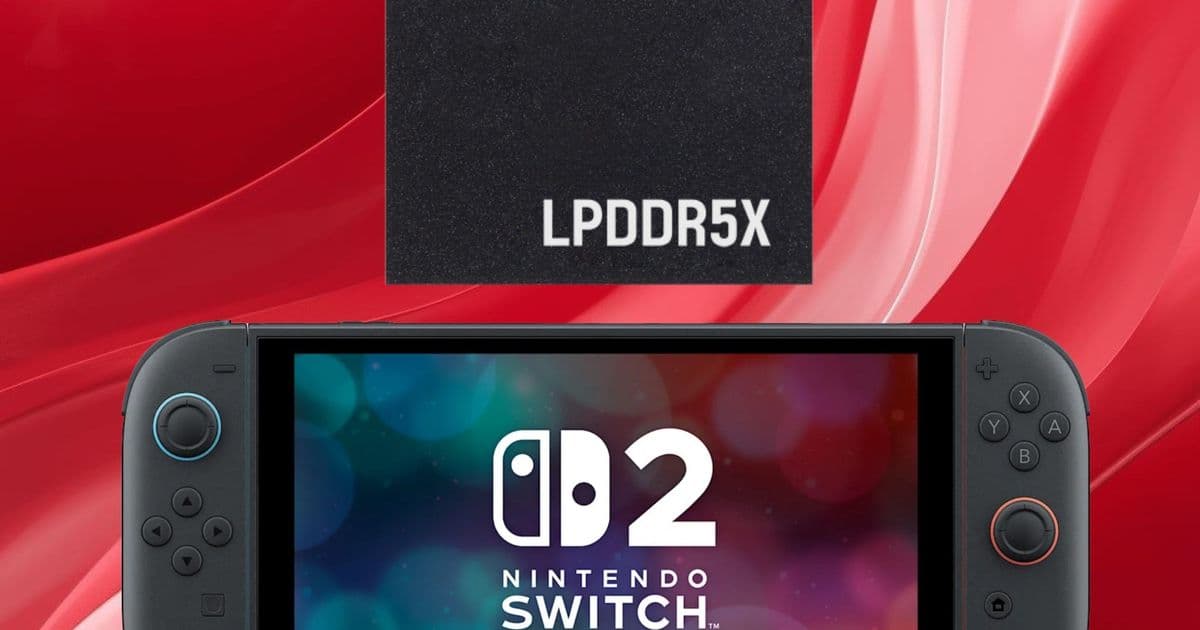
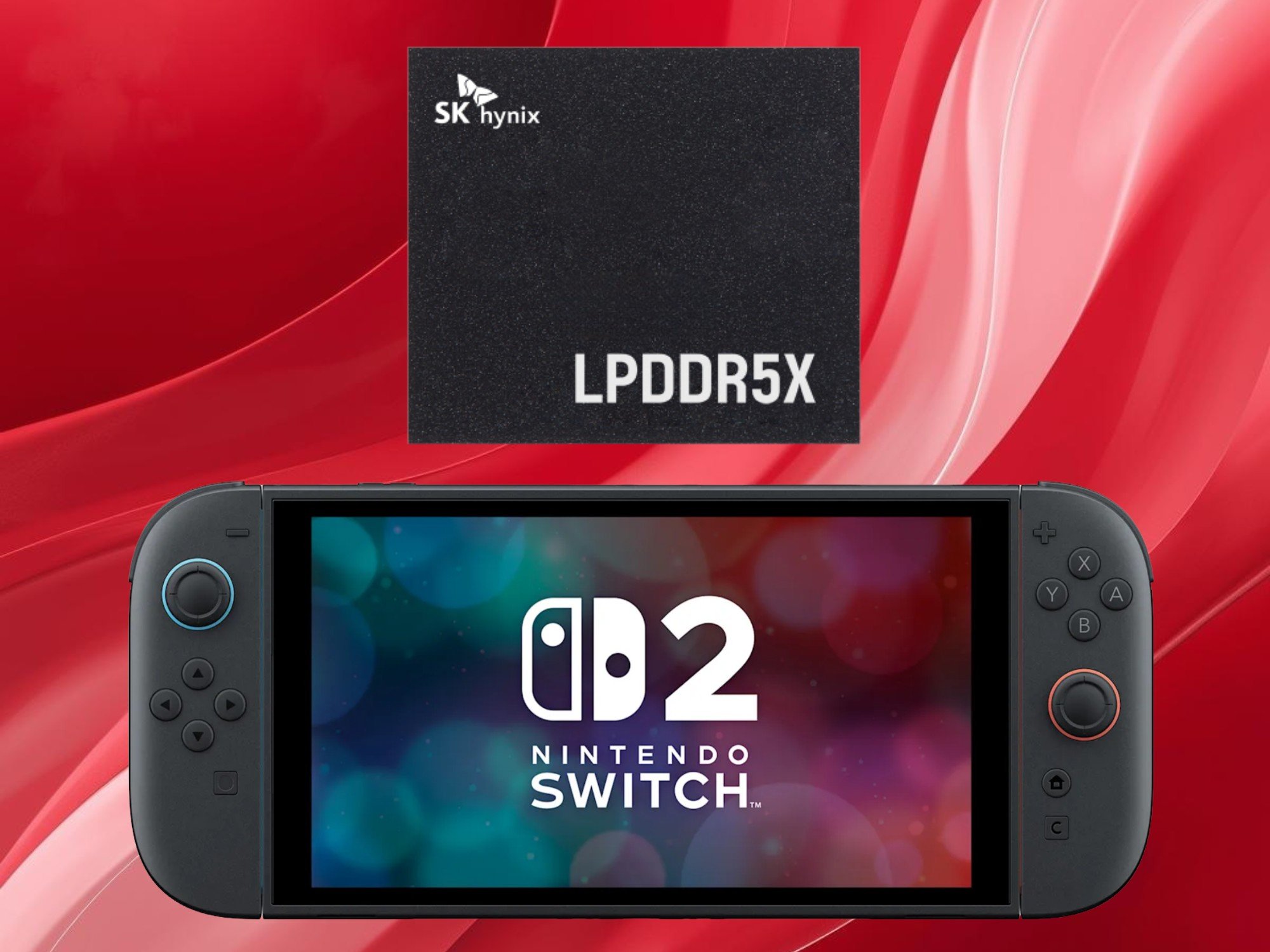
Nintendo's Switch 2 could lose up to $50 per console sold by late 2026 due to rising DDR5 memory prices, potentially forcing a price increase despite current strong sales.
Nintendo's Switch 2 continues its impressive sales trajectory, recently surpassing 17.4 million units sold globally. However, beneath the surface of these strong numbers lies a growing financial challenge that could significantly impact the company's profitability in the coming years.
Memory Costs Threaten Switch 2 Margins
According to analysis from USB Securities, Nintendo currently maintains a gross margin of approximately $23 per Switch 2 unit sold. This healthy profit margin has contributed to the company's strong financial performance, with net income from April to December 2025 soaring 51.3% year over year, as reported by Nikkei Shimbun.
However, this profitability is under threat from rising component costs, particularly DDR5 memory. Industry sources indicate that the cost of memory modules used in the Switch 2 is projected to increase dramatically from $46 to $120 per unit. This represents more than a doubling of one of the console's most critical components.
Potential $50 Loss Per Console
The memory price increase could have severe consequences for Nintendo's bottom line. USB Securities estimates that if these higher costs materialize, Nintendo could face losses of $35 to $50 per console sold by the end of 2026. This dramatic reversal would transform the Switch 2 from a profitable product into a significant financial liability for the company.
Several factors are contributing to this challenging situation. Tariffs have already affected profits to some degree, and the lower Switch 2 price in Japan has also impacted overall profitability. Industry analysts describe the console as currently being "profitable by a deficit" - meaning that while the company is still making money overall, the margin is thin and vulnerable to cost increases.
Nintendo's Response and Options
Nintendo President Shuntaro Furukawa has acknowledged these concerns in recent statements. When asked about the potential impact of rising manufacturing costs, Furukawa indicated that the company is closely monitoring "sales trends and profitability" but emphasized that "Nothing is being decided at the moment."
One potential solution to address these losses would be a price increase for the Switch 2. However, Nintendo appears hesitant to take this step immediately. Furukawa suggested that the company is willing to absorb a "temporary deficit" in hopes that the memory shortage will ease sooner than expected. Some industry predictions suggest the shortage could persist until 2028, creating a challenging timeline for Nintendo's current strategy.
Hideki Yasuda of Toyo Securities offers a more optimistic perspective, anticipating that long-term contracts with suppliers like SK Hynix will help insulate Nintendo from the worst of the price increases in the next fiscal year. These existing agreements may provide some buffer against the immediate impact of rising memory costs.
The Broader Nintendo Ecosystem
It's important to note that Nintendo's revenue stream extends beyond hardware sales alone. The company generates substantial income from software, licensing, and other ecosystem components. Anxious stockholders are particularly focused on the upcoming slate of Switch 2 games, with a rumored early February Nintendo Direct expected to showcase third-party titles.
However, some analysts believe that only new first-party exclusives - such as a 3D Mario or Zelda experience - will be sufficient to address criticism over the current lineup of Switch 2 exclusives and maintain consumer enthusiasm for the platform.
Industry Context and Implications
The situation facing Nintendo reflects broader challenges in the gaming hardware industry, where component costs can fluctuate dramatically based on supply chain issues, geopolitical factors, and market demand. The DDR5 memory shortage affecting Nintendo is part of a larger trend impacting multiple technology sectors.
For consumers, this situation could eventually result in higher Switch 2 prices if Nintendo decides that absorbing continued losses is unsustainable. The company's current willingness to accept temporary deficits suggests they may delay any price increase as long as possible, but the financial mathematics become increasingly difficult if memory costs remain elevated through 2026 and into 2027.
The coming months will be critical for Nintendo as they balance maintaining competitive pricing against protecting their profit margins. The rumored February Nintendo Direct may provide additional context about the company's strategy, particularly if new game announcements can help offset concerns about potential hardware price increases.
Source: Nintendo Patents Watch@Bluesky, Nikkei Shimbun (Japanese)
Comments
Please log in or register to join the discussion