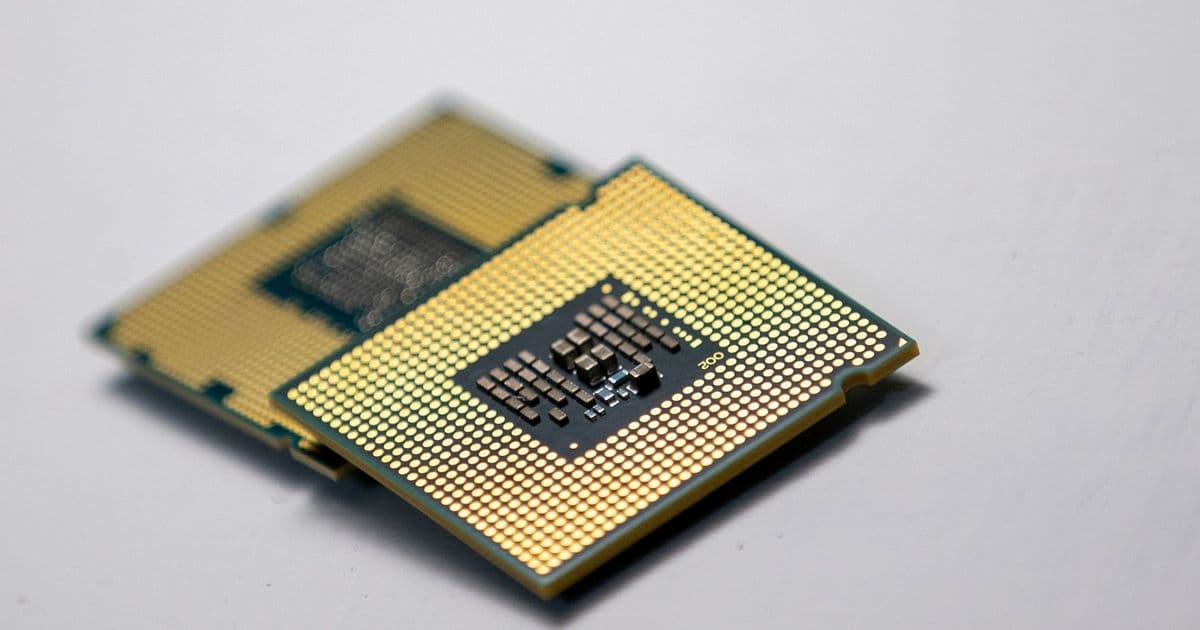
Intel plans to launch Core Ultra 200K Plus and 200HX Plus processors in March or April 2026, according to a reliable leaker, positioning the Arrow Lake Refresh as a mid-year counter to AMD’s upcoming Ryzen AI 400 series and Ryzen 7 9850X3D.
Intel is preparing a mid-year processor offensive to reclaim market share from AMD, with two refreshed desktop and mobile lineups reportedly set for a March or April 2026 launch. According to Golden Pig Upgrade Pack, a well-known Chinese hardware leaker with a track record of accurate Intel timing details, the company will release the Core Ultra 200K Plus and Core Ultra 200HX Plus processors, both based on the Arrow Lake Refresh architecture.
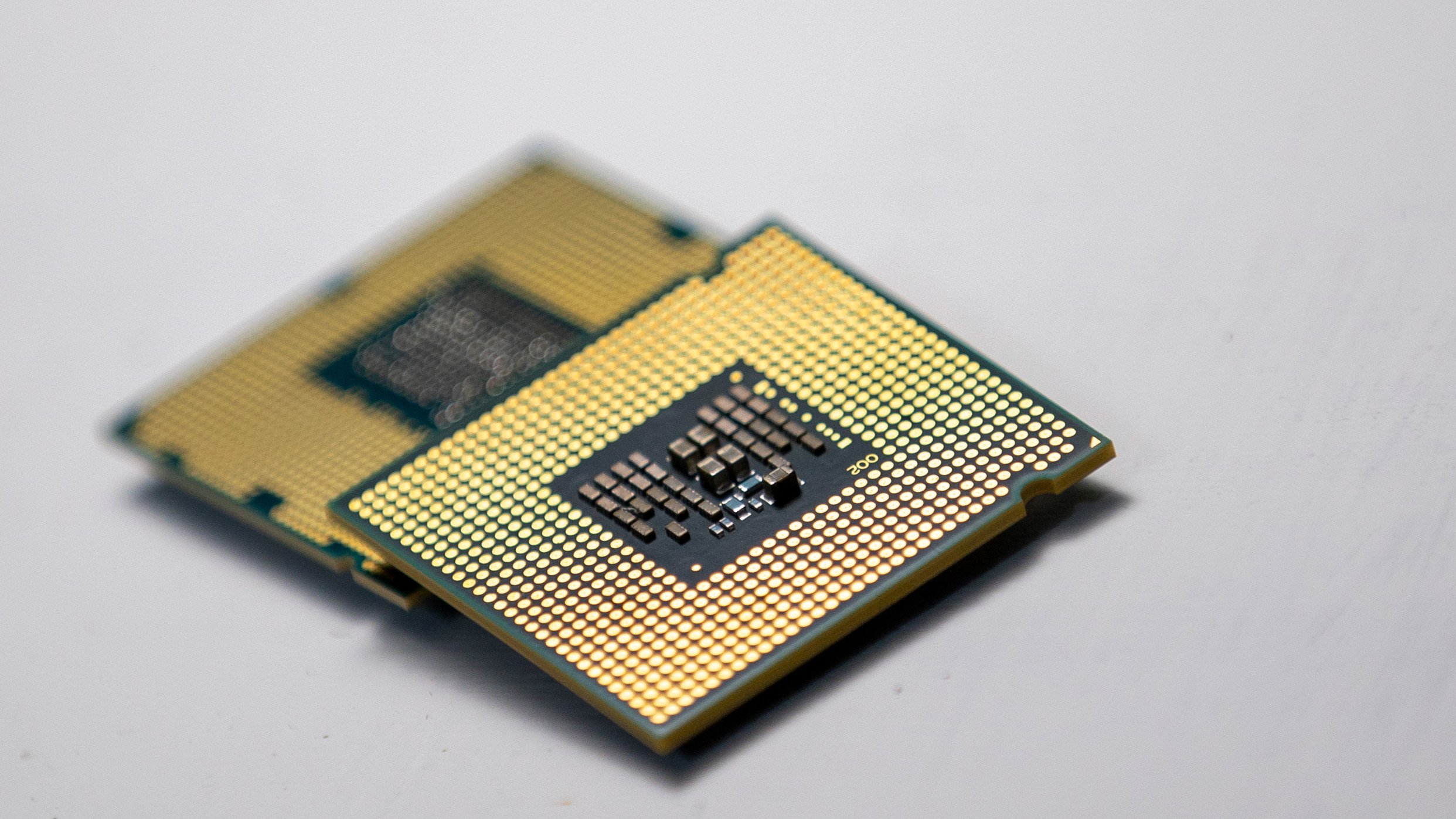
The timing appears strategic. Intel had previously confirmed an Arrow Lake Refresh would arrive in 2026 but offered no specific quarter, leading many industry analysts to expect a reveal at CES 2026. Instead, Intel shifted its public focus to Panther Lake, its first consumer chip built on the Intel 18A manufacturing process, which will launch later this month. By spacing out the releases, Intel can give Panther Lake its moment while preparing a volume-focused refresh for the spring.
Arrow Lake Refresh: Incremental Gains, Strategic Positioning
Arrow Lake Refresh follows Intel’s established pattern of mid-cycle updates. These are not architectural overhauls but refinements designed to keep products competitive while development teams work on next-generation silicon. Based on previous refresh cycles, the Core Ultra 200K Plus and 200HX Plus will likely feature:
- Modest clock speed bumps: Expect 100–300 MHz increases across base and boost frequencies, translating to 3–7% performance uplift in lightly threaded workloads.
- Improved memory support: Better DDR5 compatibility and higher stable memory speeds, crucial for both gaming and content creation workloads.
- Power delivery tweaks: Enhanced microcode to improve sustained performance under load, particularly for the 200HX mobile series targeting high-performance laptops.
The 200K Plus series targets desktop enthusiasts, while the 200HX Plus serves the high-performance mobile market. Both segments are critical for Intel’s revenue, but they face intense pressure from AMD’s Ryzen 9000 series and the upcoming Ryzen AI 400 mobile processors.
The January Skirmish: Panther Lake vs. Ryzen AI 400
Before the spring refresh, Intel and AMD will clash in the premium laptop segment. Intel’s Panther Lake embargo lifts on January 26 for the flagship Core Ultra X9 388H, with reviews for the full stack arriving January 27—the same day retail availability begins. This staggered review approach gives the top-tier chip a 24-hour spotlight, a tactic Intel uses to emphasize its highest-performance offering.
AMD, however, appears ready to beat Intel to market by five days. Product listings in China suggest a January 22 launch for Ryzen AI 400 series (codenamed Gorgon Point) in that region. While initial availability will be limited to China, AMD plans a gradual global rollout throughout 2026. This head start could matter in the laptop market, where OEM design wins and retail shelf space are secured months in advance.

Panther Lake represents Intel’s first consumer implementation of Intel 18A, a critical node for the company’s foundry roadmap. The process promises significant improvements in power efficiency and transistor density, but manufacturing yields and supply will be closely watched. If Intel can deliver Panther Lake in volume, it signals that Intel 18A is on track—a major win for the company’s foundry business.
The Desktop Wildcard: Ryzen 7 9850X3D
AMD may also launch the Ryzen 7 9850X3D later in January, according to the same leaker. This chip would succeed the Ryzen 7 9800X3D, which currently holds the gaming performance crown. If AMD can deliver meaningful gains—likely through cache tweaks and higher clocks—the 9850X3D could extend the company’s dominance in gaming CPUs through 2026.
For Intel, the gaming segment remains a weak point. The Core Ultra 200S series (Arrow Lake) struggled to match AMD’s X3D parts in gaming performance, and the Refresh may not close that gap entirely. Intel’s hope likely rests on Panther Lake’s improved architecture and Intel 18A’s efficiency, but concrete gaming benchmarks will determine if the company can regain ground.
The Broader 2026 Roadmap
The processor market in 2026 will unfold across multiple fronts:
- February: Intel’s Xeon 600 series (Granite Rapids-WS) for workstations. This is a professional market segment, but performance here influences data center and content creation workflows.
- March/April: Arrow Lake Refresh (Core Ultra 200K Plus and 200HX Plus). Intel’s volume play to keep mainstream and enthusiast products competitive.
- Late 2026: The real battle—Intel’s Core Ultra 400 series (Nova Lake) versus AMD’s Zen 6 (Medusa). These will be full architectural generations on advanced nodes, likely on Intel 18A and TSMC N3E or N2, respectively. This is where market leadership will be decided.
Market Implications
For consumers, 2026 offers a rare convergence of new nodes, refreshed architectures, and aggressive competition. The spring Arrow Lake Refresh will likely bring price pressure on existing Core Ultra 200S inventory, creating buying opportunities for those who don’t need the absolute latest. Meanwhile, the January laptop launches will determine which OEMs adopt Intel or AMD for their flagship ultrabooks and gaming notebooks.
For the industry, Intel’s execution on Arrow Lake Refresh and Panther Lake will signal whether its manufacturing turnaround is on track. Delays or performance shortfalls could cede further share to AMD, especially in the high-margin laptop market. Conversely, a smooth Panther Lake launch and a competitive Refresh would demonstrate that Intel’s multi-node strategy is viable.
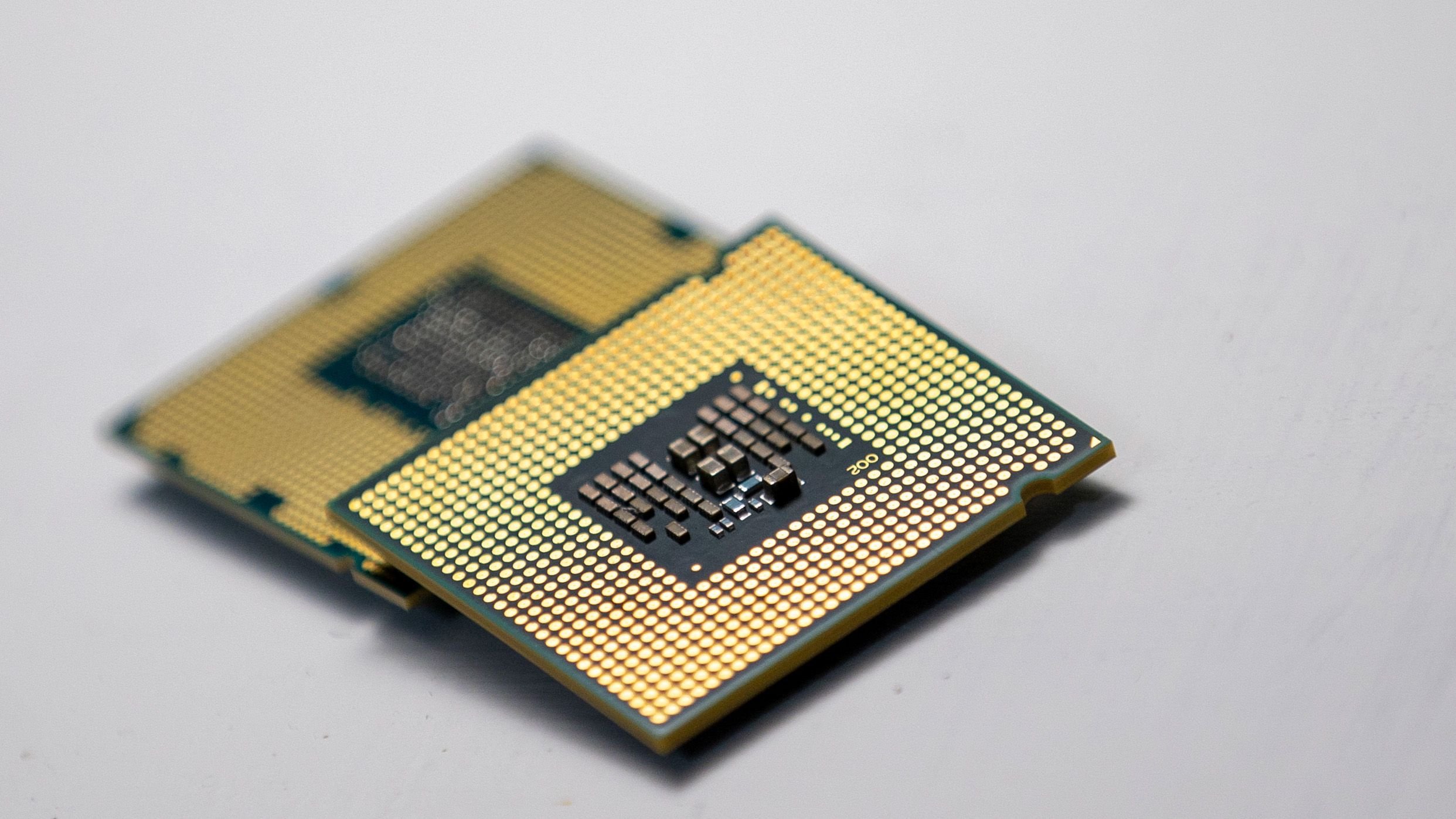
Supply chain context also matters. Both Intel and AMD rely on TSMC for certain chiplet designs, and global semiconductor demand from AI accelerators is straining foundry capacity. Any allocation shifts toward AI chips could constrain CPU supply, affecting pricing and availability for consumers and OEMs.
What to Watch
- January 22: AMD Ryzen AI 400 launch in China. Early reviews will show if AMD can extend its mobile lead.
- January 26–27: Intel Panther Lake reviews. Intel 18A performance and efficiency metrics will be under the microscope.
- March/April: Intel Arrow Lake Refresh announcement and pricing. Will the improvements justify an upgrade for existing users?
- Late 2026: Nova Lake vs. Medusa. The true next-generation showdown.
In short, 2026 is shaping up as a pivotal year. Intel’s spring refresh is a defensive move to hold ground until Nova Lake, while AMD aims to build momentum with early mobile launches and continued gaming dominance. For buyers, the competition means more choices, better performance, and potentially lower prices—provided supply keeps pace with demand.
Comments
Please log in or register to join the discussion