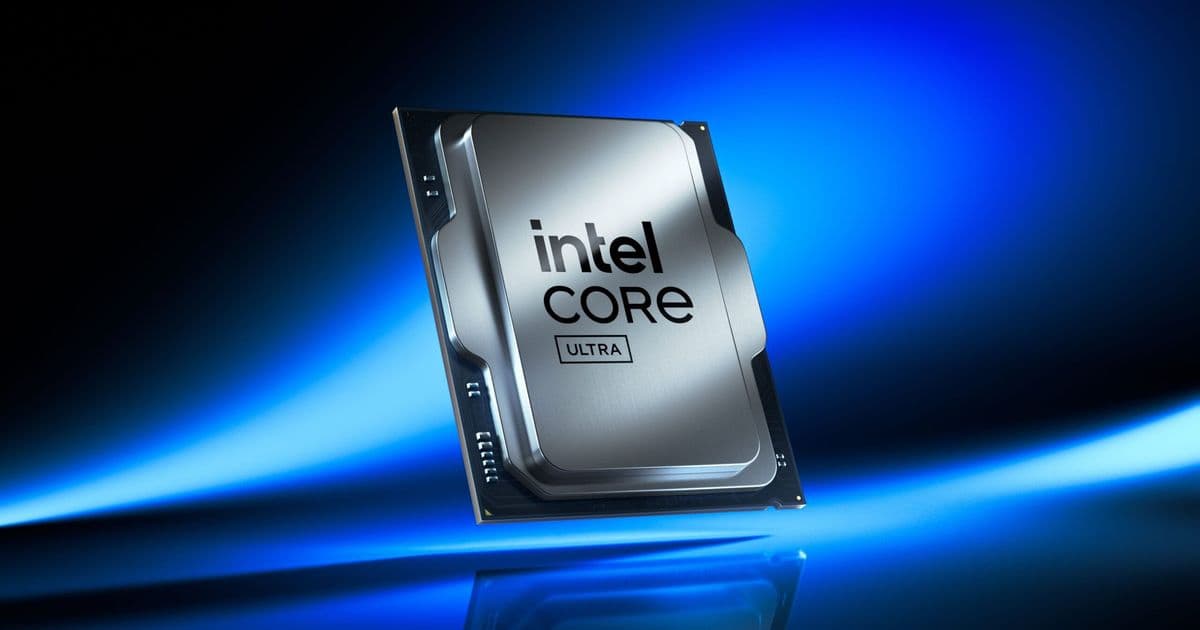
Intel's next-generation Nova Lake platform specifications have leaked, revealing 900-series chipsets with up to 48 PCIe lanes, LGA1954 socket, and support for CPUs with up to 52 cores.
Intel's ambitious Nova Lake platform has taken shape through a detailed leak revealing the company's 900-series chipsets that will support these next-generation processors launching in late 2026. The leaked specifications, published by known Intel leaker Jaykihn, outline five distinct chipsets ranging from the budget-oriented B960 to the workstation-focused W980, each tailored to different market segments while maintaining compatibility with the new LGA1954 socket.
900-Series Chipset Lineup and Market Positioning
The leaked specifications reveal a strategic shift in Intel's chipset strategy. Notably absent is the H910 platform typically reserved for entry-level systems, suggesting Intel is streamlining its offerings. More intriguingly, the Z970 chipset emerges as a new category—an inexpensive desktop platform with overclocking capabilities, bridging the gap between budget and enthusiast segments.
For enthusiasts and overclockers, Intel will offer two distinct options. The Z990 chipset supports both multiplier and BCLK overclocking methods, catering to hardcore enthusiasts who demand maximum control over their system performance. The W980, while officially positioned as an entry-level workstation solution, also supports overclocking but adds vPro technology and manageability features, making it suitable for small business environments that need both performance and manageability.
The Q970 chipset targets the performance-mainstream desktop market but notably lacks memory overclocking support—a curious limitation that may disappoint some users in this segment.
PCIe Lane Configurations and Connectivity
One of the most significant revelations concerns PCIe lane allocation across the chipset lineup. The range-topping Z990 and W980 chipsets will offer a robust 48 PCIe lanes total, including 12 PCIe 5.0 lanes from the chipset and 16 PCIe 5.0 lanes from the CPU. This configuration provides substantial bandwidth for multiple high-speed devices and storage solutions.
In contrast, the more affordable B960 and Z970 chipsets are limited to 34 PCIe lanes, comprising 16 PCIe 5.0 lanes from the CPU and 14 PCIe 4.0 lanes from the chipset. This represents a significant reduction in total bandwidth but should still accommodate mainstream usage scenarios.
All chipsets in the 900-series will support two Thunderbolt 4/USB4 ports when paired with compatible Nova Lake processors, though the B960 and Z970 are limited to one port from the processor itself. The USB configuration varies significantly across the lineup, with the Z990 and W980 offering five USB 3.2 20 Gbps ports and ten USB 3.2 10 Gbps ports, while the entry-level chipsets provide only two and four ports respectively in these categories.
Storage and RAID Capabilities
Storage enthusiasts will appreciate the expanded capabilities in the higher-end chipsets. The Z990, Q970, and W980 all support PCIe RAID 0/1/5/10 configurations, enabling advanced storage setups for performance and redundancy. All chipsets maintain support for SATA RAID 0/1/5/10, ensuring compatibility with traditional storage solutions.
The Z990 and W980 stand out with eight SATA 3.0 ports compared to four on the other chipsets, providing more flexibility for multiple storage drives.
Nova Lake CPU Specifications
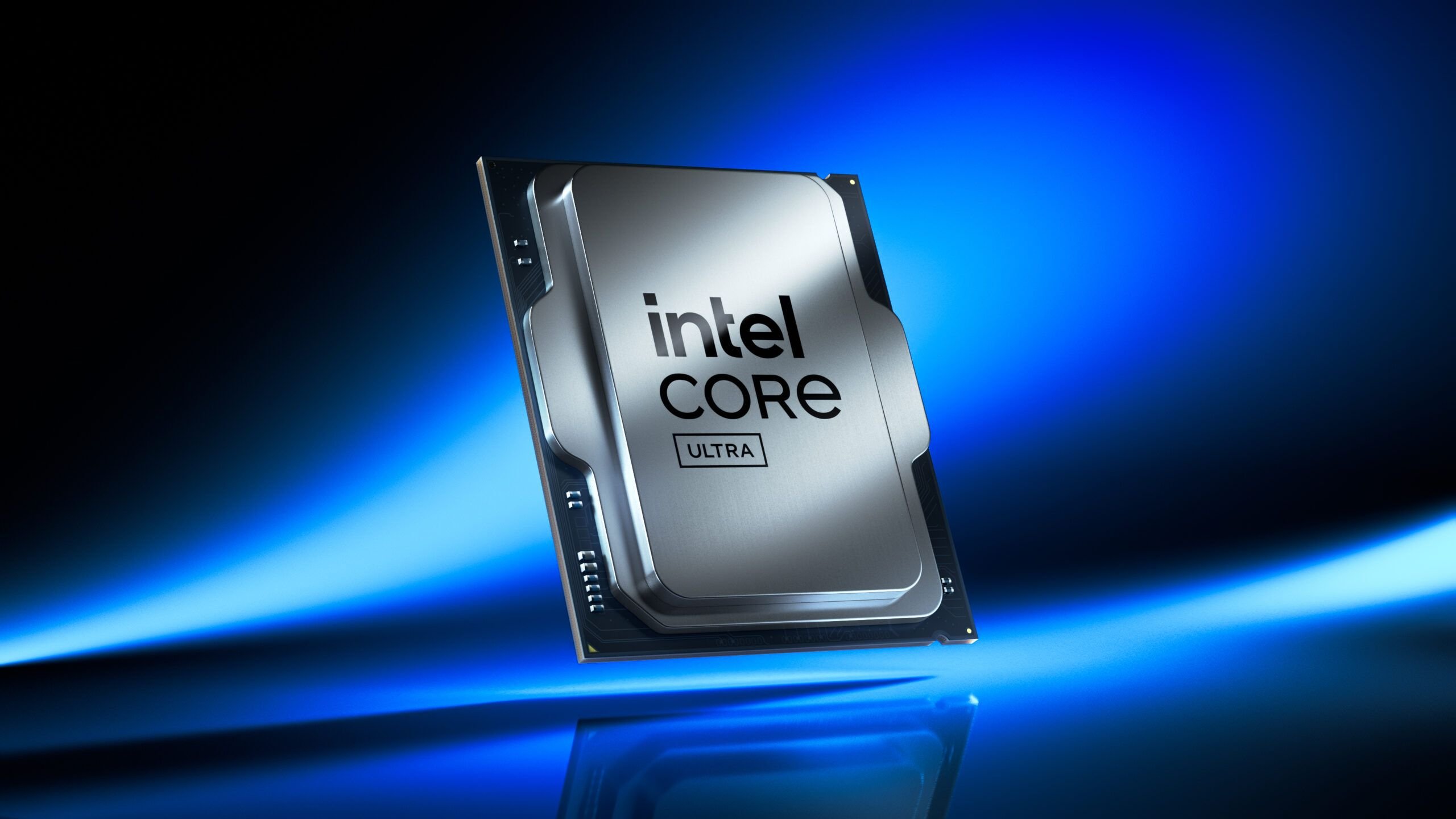
While the focus has been on the supporting platform, the Nova Lake processors themselves promise significant advancements. According to the leak, these CPUs will utilize the LGA1954 socket and pack up to 52 cores total, consisting of:
- Up to 16 high-performance Coyote Cove cores
- Up to 32 energy-efficient Arctic Wolf cores
- Four ultra-low-power cores
The inclusion of a Xe3 integrated GPU and media engine derived from the Xe4 GPUs suggests Intel is continuing to invest in integrated graphics capabilities, potentially reducing the need for discrete graphics cards in many scenarios.
Timeline and Market Implications
Intel has previously stated that Nova Lake will arrive before the end of 2026, though specific details remain scarce. The leaked chipset specifications provide the most comprehensive look yet at what users can expect from Intel's next major platform transition.
Before Nova Lake's arrival, Intel is expected to release an Arrow Lake Refresh lineup, providing a stopgap for users who need newer technology but aren't ready to wait for the complete platform overhaul.
The 900-series chipsets represent a significant evolution in Intel's desktop platform strategy, with increased PCIe 5.0 lane counts, enhanced storage capabilities, and more granular segmentation across different market segments. The introduction of the Z970 as an overclocking-capable budget platform is particularly noteworthy, potentially opening enthusiast features to a broader audience.
As with all leaks, these specifications should be considered preliminary until officially confirmed by Intel. However, the level of detail provided suggests this information is based on reliable sources close to Intel's development process.
The Nova Lake platform appears poised to address many of the criticisms leveled at recent Intel desktop offerings, particularly regarding PCIe lane limitations and platform segmentation. If these specifications prove accurate, Intel may have a compelling offering for both mainstream users and enthusiasts when Nova Lake finally arrives in late 2026.
Comments
Please log in or register to join the discussion