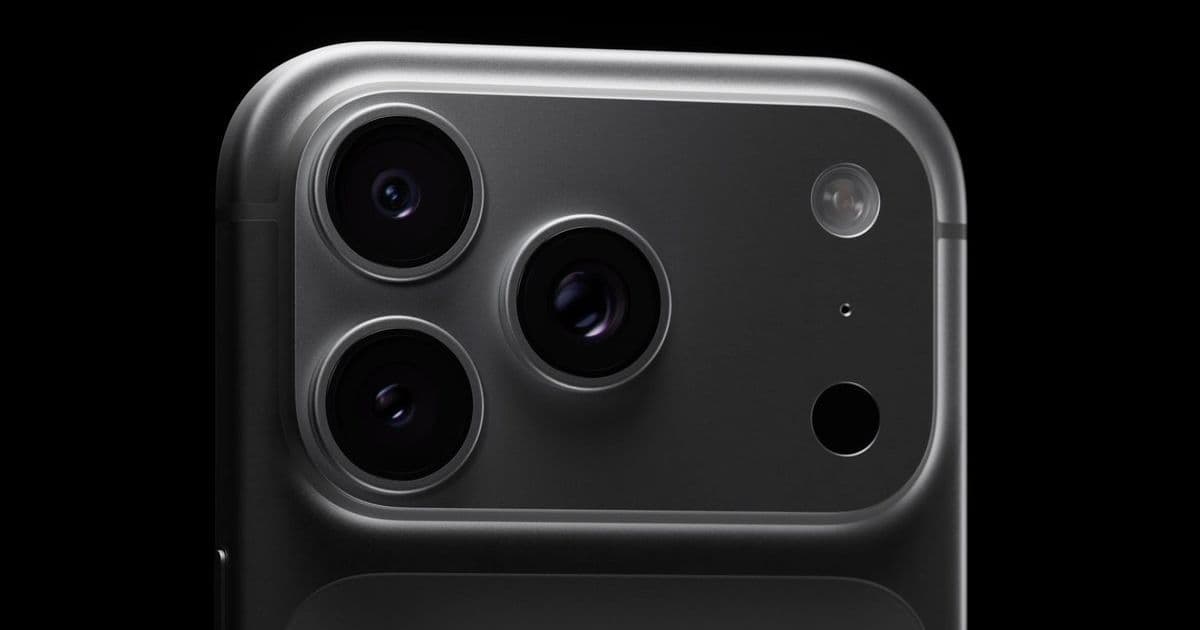
Apple's iPhone 17 Pro puts its upgraded tri-camera array through intense real-world testing across New York, London, and Iceland. This review uncovers whether the 'Rule of Three' delivers transformative image quality and what it signals for computational photography's future.
In the relentless pursuit of photographic excellence, Apple's iPhone 17 Pro arrives with a bold promise: a camera system built around the 'Rule of Three,' featuring enhanced telephoto, wide, and ultra-wide lenses designed to capture stunning detail in any scenario. But does this iterative upgrade truly push boundaries, or is it merely incremental? To find out, our reviewer embarked on a whirlwind five-day test across three iconic locations—New York, London, and Iceland—putting the device through its paces in diverse lighting and environments. The results reveal not just sharper images, but a leap in computational intelligence that could reshape how developers approach mobile imaging apps.
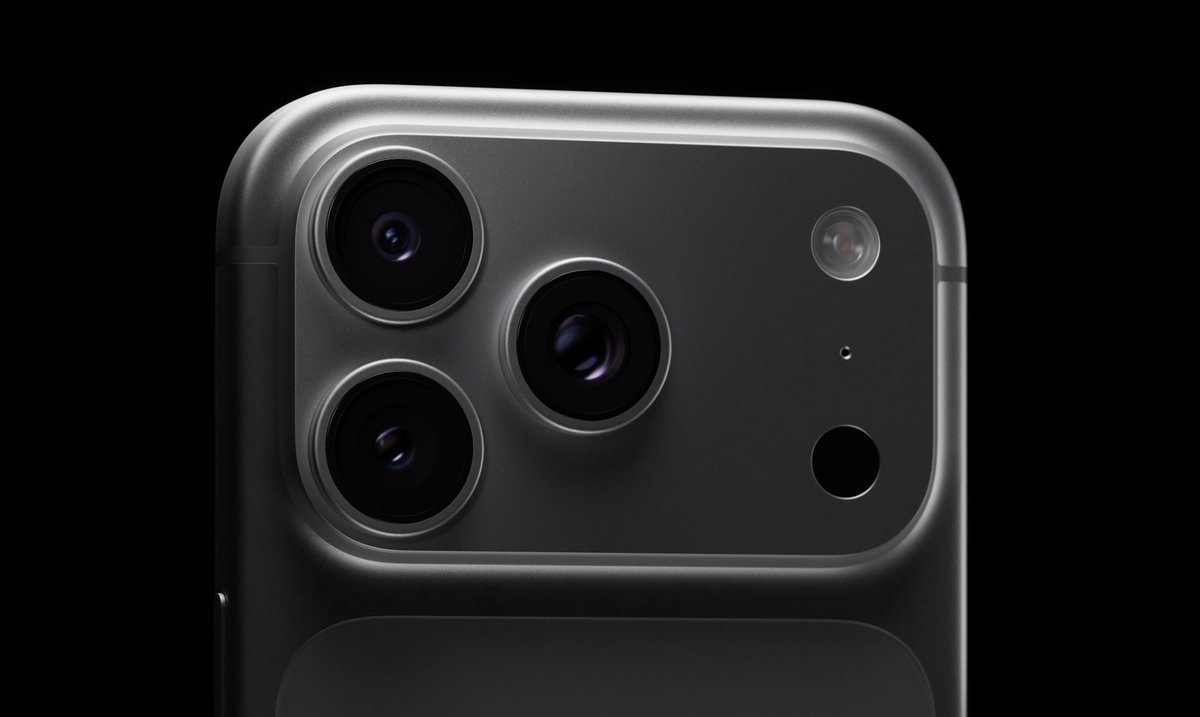
The heart of the iPhone 17 Pro's innovation lies in its refined tri-focal setup. Apple has extended the optical zoom range significantly, allowing for clearer, more stable shots at greater distances without digital degradation. This isn't just about hardware; it's powered by advanced machine learning algorithms that optimize color balance, reduce noise, and enhance dynamic range in real-time. As seen in urban landscapes like New York, the camera excels in high-contrast scenes, preserving details in shadows and highlights that older models would blur. For developers, this underscores a trend toward deeper integration of AI in sensor technology—think APIs that could enable third-party apps to leverage these enhancements for augmented reality or professional-grade editing tools.
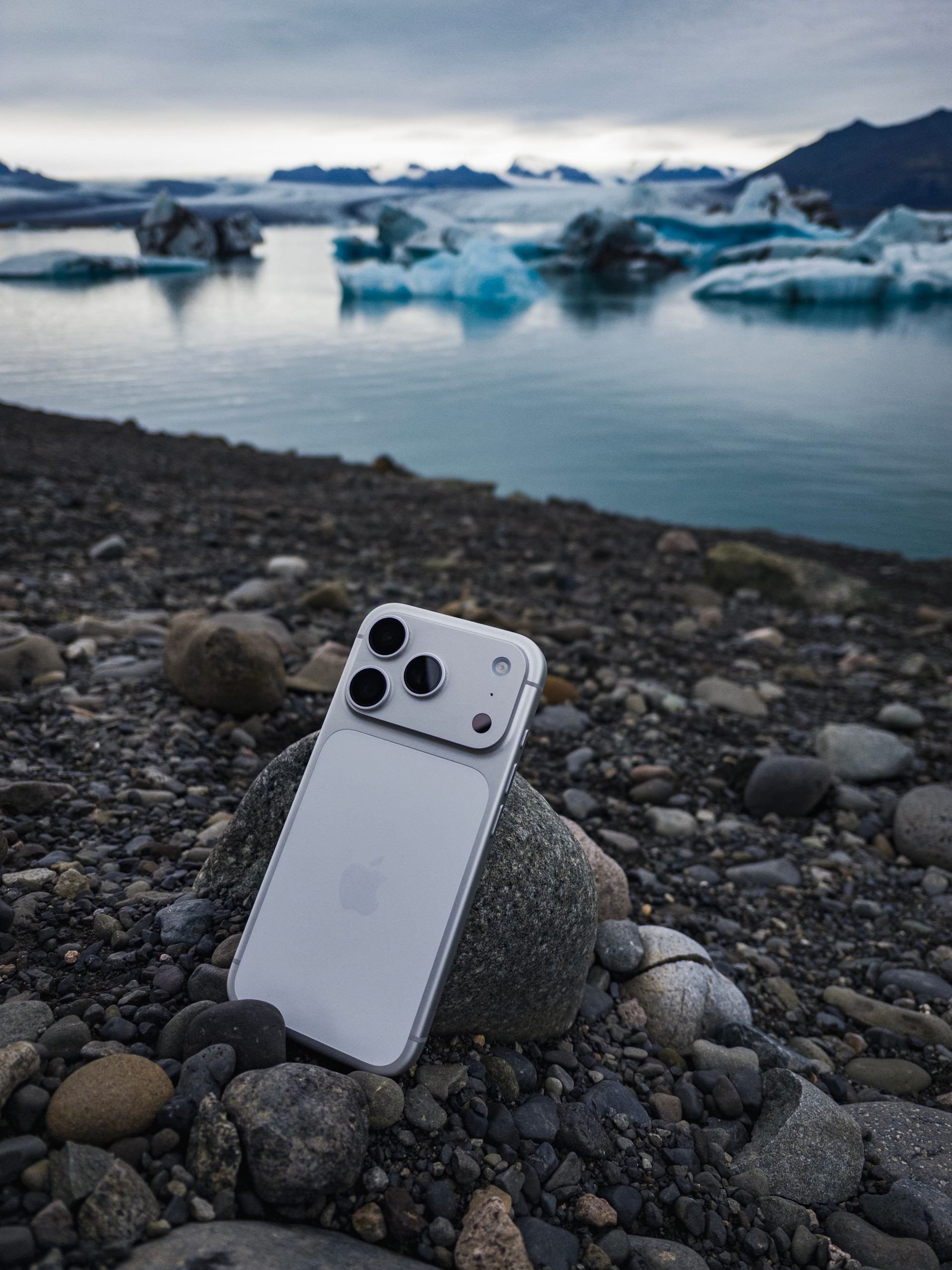
Caption: iPhone 17 Pro in Silver — shot on iPhone Air
Field testing in London's moody atmospherics and Iceland's dramatic natural vistas highlighted the system's versatility. The ultra-wide lens captured expansive skies and rugged terrains with minimal distortion, while the telephoto lens brought distant subjects into crisp focus, as demonstrated in the Icelandic highlands. What sets this apart is Apple's computational 'fusion' engine, which intelligently combines multiple exposures and focal lengths to produce images that feel more lifelike. This shift has implications beyond consumer snaps: it signals a move toward smartphones as primary tools for content creators, pushing developers to innovate in areas like real-time video processing and low-light optimization for social and professional platforms.

Yet, the journey exposed challenges too. In rapidly changing conditions, such as Iceland's unpredictable weather, the camera occasionally struggled with autofocus speed, hinting at software tweaks needed for edge cases. Despite this, the overall performance cements the iPhone 17 Pro as a benchmark in mobile photography. For the tech industry, this evolution emphasizes that the future isn't just about more megapixels—it's about smarter, context-aware systems that democratize high-quality imaging. As computational photography matures, expect ripple effects across AI research and app ecosystems, where efficiency and adaptability become as crucial as raw specs.
Comments
Please log in or register to join the discussion