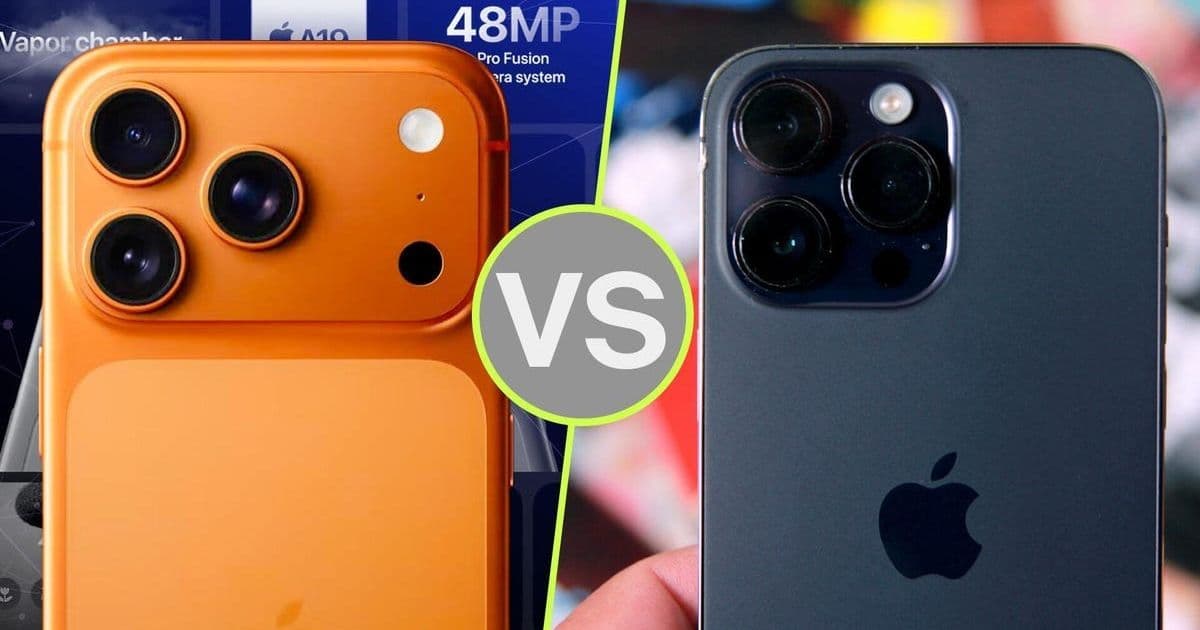
As the iPhone 17 Pro launches, long-term iPhone 14 Pro users face a critical decision: upgrade for cutting-edge camera and processing gains or hold onto a still-capable device. This deep dive analyzes the tangible benefits against cost considerations, revealing when the leap makes sense—and when it’s smarter to wait.
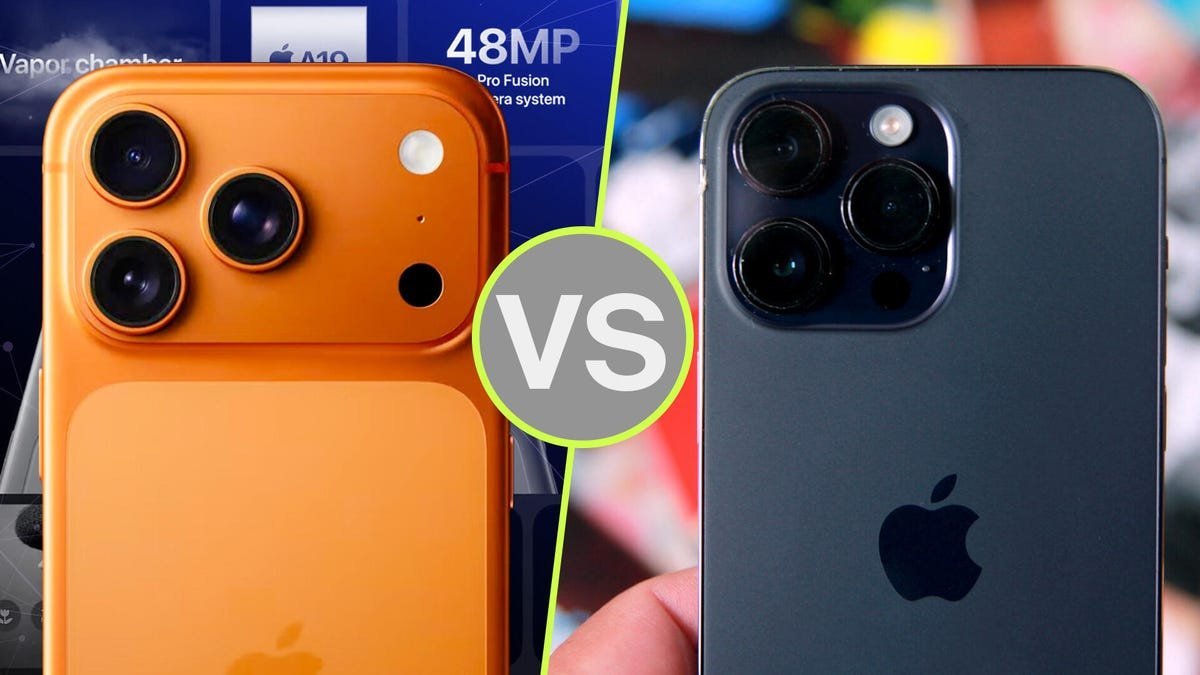
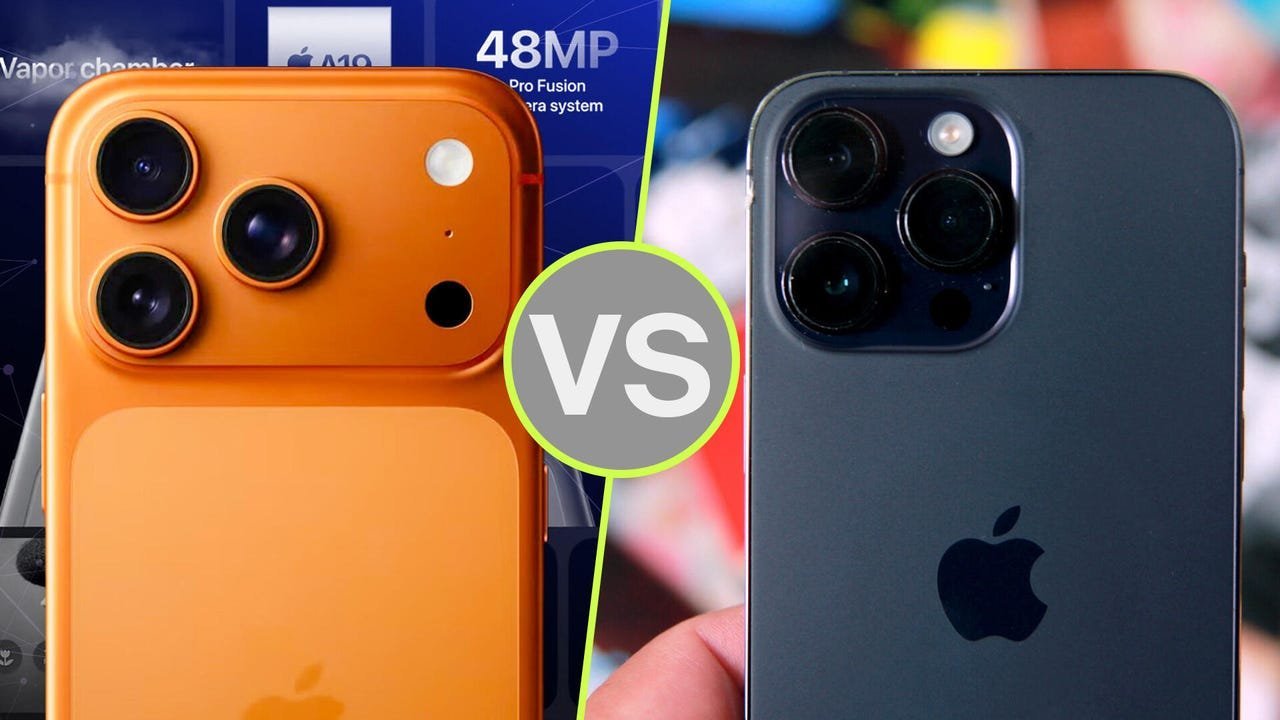
Main image: iPhone 17 Pro (left) vs. iPhone 14 Pro (right). Credit: Apple/Maria Diaz/ZDNET
For many in the tech community, upgrade cycles are less about chasing trends and more about strategic investments in productivity and capability. As a three-year iPhone 14 Pro Max user, I’ve wrestled with this dilemma firsthand. My device handles daily tasks flawlessly—coding on the go, debugging apps, and capturing reference imagery—despite lacking USB-C and Apple Intelligence. But Apple’s iPhone 17 Pro isn’t just iterative; it’s a reimagining of performance and durability. So, when does the upgrade justify the four-figure outlay? Let’s dissect the facts.
The Core Upgrades: Where the iPhone 17 Pro Shines
Apple’s latest flagship isn’t a mere refresh. Under the hood, the A19 Pro chip delivers a seismic shift, boasting 40% faster CPU performance and double the GPU speed compared to the A16 Bionic in the iPhone 14 Pro. During intensive workflows—think compiling large codebases or running machine learning prototypes—this isn’t just convenience; it’s a tangible efficiency boost. Thermal management is equally revolutionary, with a vapor chamber using deionized water laser-welded into an aluminum unibody. This isn’t marketing fluff; it prevents throttling during sustained loads, a pain point for developers pushing hardware limits.
Photography and videography see equally dramatic gains. All three rear cameras now sport 48MP sensors, with the telephoto lens offering 8x optical zoom—unprecedented for iPhone optics. For creators documenting UI flows or hardware prototypes, Dual Capture enables simultaneous front-and-rear 4K recording with ultra-stabilization. Even the front camera leapfrogs to 18MP with Center Stage AI, intelligently framing subjects. As Maria Diaz notes, this transforms the phone into a versatile content tool: "The selfie camera’s square sensor allows portrait or landscape shots without rotating the device—perfect for quick demos or team stand-ups."
Connectivity evolves too, with Wi-Fi 7 and Bluetooth 6 support, plus improved AirDrop reliability. For remote developers or cloud engineers, this means faster data syncs and fewer dropped connections during critical deployments.
The Holdout Case: Why the iPhone 14 Pro Still Holds Value
Not every advancement demands an upgrade. Apple Intelligence, while integrated into the 17 Pro, remains underwhelming for power users. Android counterparts lead in practical AI applications, and Siri’s ChatGPT fallbacks feel half-baked. As Diaz observes, "Don’t hinge your buying decision on AI alone." Workarounds exist, like programming ChatGPT into the Action Button, mitigating the need for native features.
The Lightning Port on the 14 Pro, while outdated, isn’t a deal-breaker with MagSafe charging. More critically, cost efficiency favors retention. A renewed iPhone 14 Pro costs under $500—less than half the 17 Pro’s starting price. For developers focused on app testing or backend work, its A16 Bionic, 48MP main camera, and iOS 26 support remain robust. "If your iPhone 14 Pro functions well for browsing, coding, and communication," Diaz advises, "holding out could be prudent."
The Strategic Verdict: Upgrade or Wait?
This isn’t just about specs; it’s about aligning tech with real-world use. Upgrade if:
- Your work demands max compute power (e.g., AR development, real-time data processing).
- Content creation is central (Dual Capture and 8x zoom are game-changers).
- You’re deep in Apple’s ecosystem and prioritize future-proofing.
Stick with the 14 Pro if:
- Cost sensitivity outweighs marginal gains in daily tasks.
- AI features aren’t critical (supplement with third-party tools).
- Your device handles current workloads without hiccups.
Alternatives like the iPhone 17 Air (ultra-thin with A19 Pro) or iPhone 16 Plus (budget-friendly with Apple Intelligence) offer middle paths. But for many in tech, the 17 Pro’s thermal innovations and camera suite represent Apple’s most developer-centric leap in years—if the budget allows. As upgrade cycles stretch industry-wide, this decision encapsulates a broader truth: In tech, patience often pays, but strategic leaps can redefine capability.
Source: Analysis based on original reporting by Maria Diaz for ZDNET.
Comments
Please log in or register to join the discussion