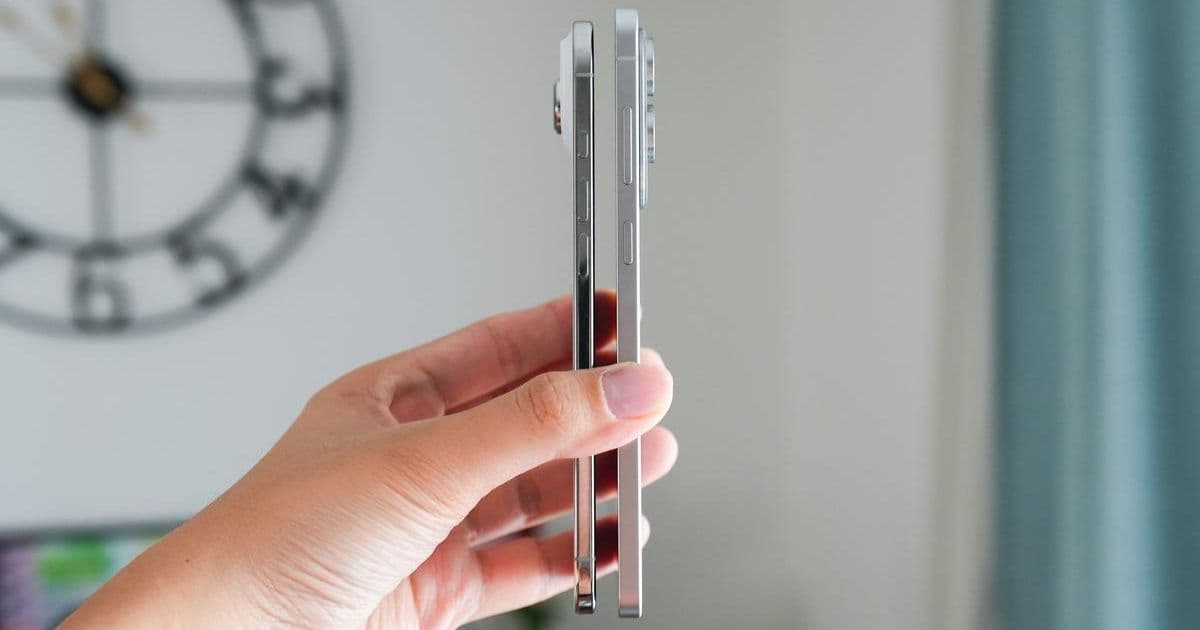
Apple's groundbreaking iPhone Air redefines smartphone portability with its 5.6mm titanium frame and A19 Pro power, but thermal constraints and camera compromises reveal the cost of extreme miniaturization. Our deep dive examines whether this engineering marvel justifies its $999 price tag for Pro users seeking liberation from heavy devices.
The Weightless Future: Dissecting Apple's iPhone Air Revolution
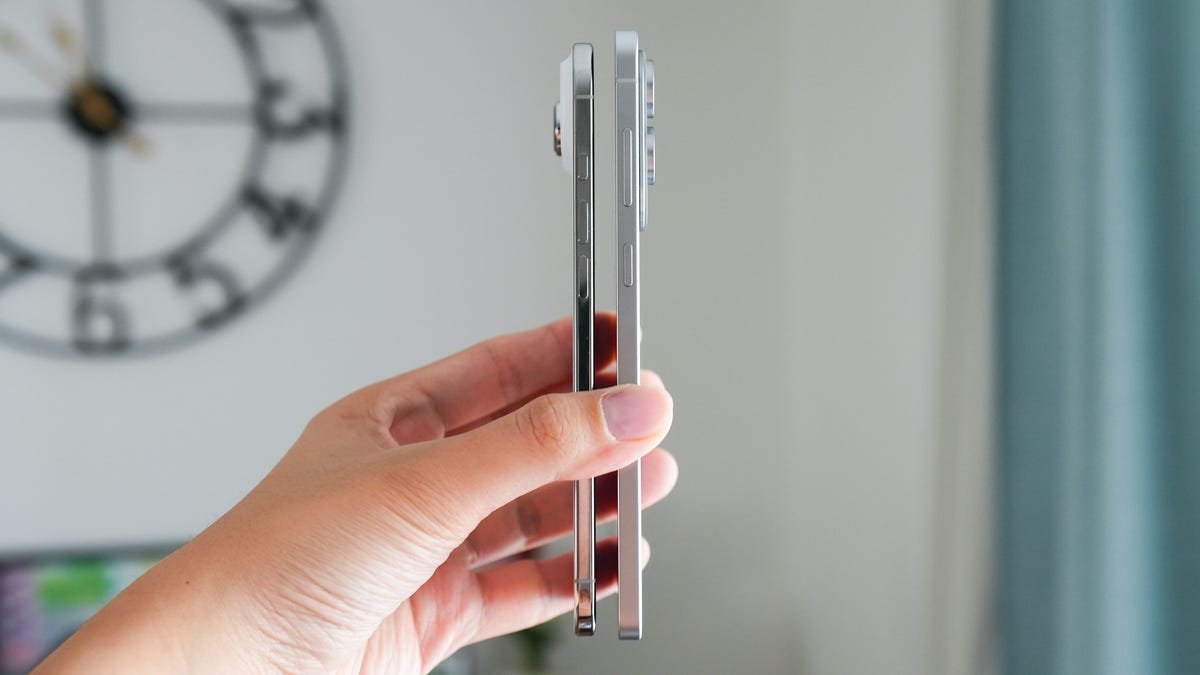
The collective gasp at Apple's September event wasn't for another incremental Pro upgrade—it was for the iPhone Air, suspended precariously on a presenter's fingertip. As a longtime Pro model devotee, I approached this 5.6mm-thin anomaly with skepticism. Could Apple's quest for extreme miniaturization deliver more than just theatrical marketing? After a week of rigorous testing, the answer reveals fascinating engineering trade-offs.
Engineering Against Gravity
The iPhone Air's titanium skeleton and Ceramic Shield panels achieve what seemed impossible: a 6.5-inch OLED device weighing just 135g. Apple's durability demonstrations—subjecting it to 130 pounds of force—weren't just spectacle. During my testing, the device survived back-pocket trials (I'm 6'2", 190lbs) without deformation. This isn't 2014's bendgate redux—it's metallurgical evolution.
Yet thinness demands sacrifice. The A19 Pro chip matches the iPhone 17 Pro's raw power (Geekbench 6: 3,695 single-core / 9,571 multi-core), but condensed internals create a thermal bottleneck. During 4K video exports:
iPhone Air (A19 Pro): 22 seconds
iPhone 16 Pro Max (A18 Pro): 20 seconds
Samsung S25 Edge (SD 8 Elite): 43 seconds
The camera plateau becomes noticeably warm within minutes, lacking the Pro's vapor chamber cooling. This thermal constraint cascades into battery life—the Air needs midday top-ups that my Pro Max never did.
The Single-Camera Paradox
Apple's boldest gamble is the solitary 48MP rear camera. The computational photography shines in color accuracy and shadow detail, but the physical limitations are undeniable:
- Pros: Revolutionary 18MP front camera with adaptive FOV makes group selfies unexpectedly brilliant
- Cons: No optical zoom forces digital cropping at distance; macro photography impossible
As I photographed the Brooklyn Bridge, I craved the Pro's optical reach. Yet for street photography, the Air's pocketability meant I captured moments my bulkier Pro would have missed.
The Developer's Dilemma
This device signals Apple's intensifying focus on spatial efficiency—a critical consideration for app developers:
- Thermal Management: Apps demanding sustained performance (AR, ML inference) must implement aggressive throttling detection
- Audio Constraints: Single-firing speakers necessitate enhanced spatial audio optimization
- Battery Awareness: Background processes require stricter resource controls than Pro models
Who Should Ascend?
At $999, the Air isn't a Pro replacement—it's a philosophical alternative. Buy if:
- Your iPhone lives in athletic wear or dress slacks
- Front-facing content creation dominates your workflow
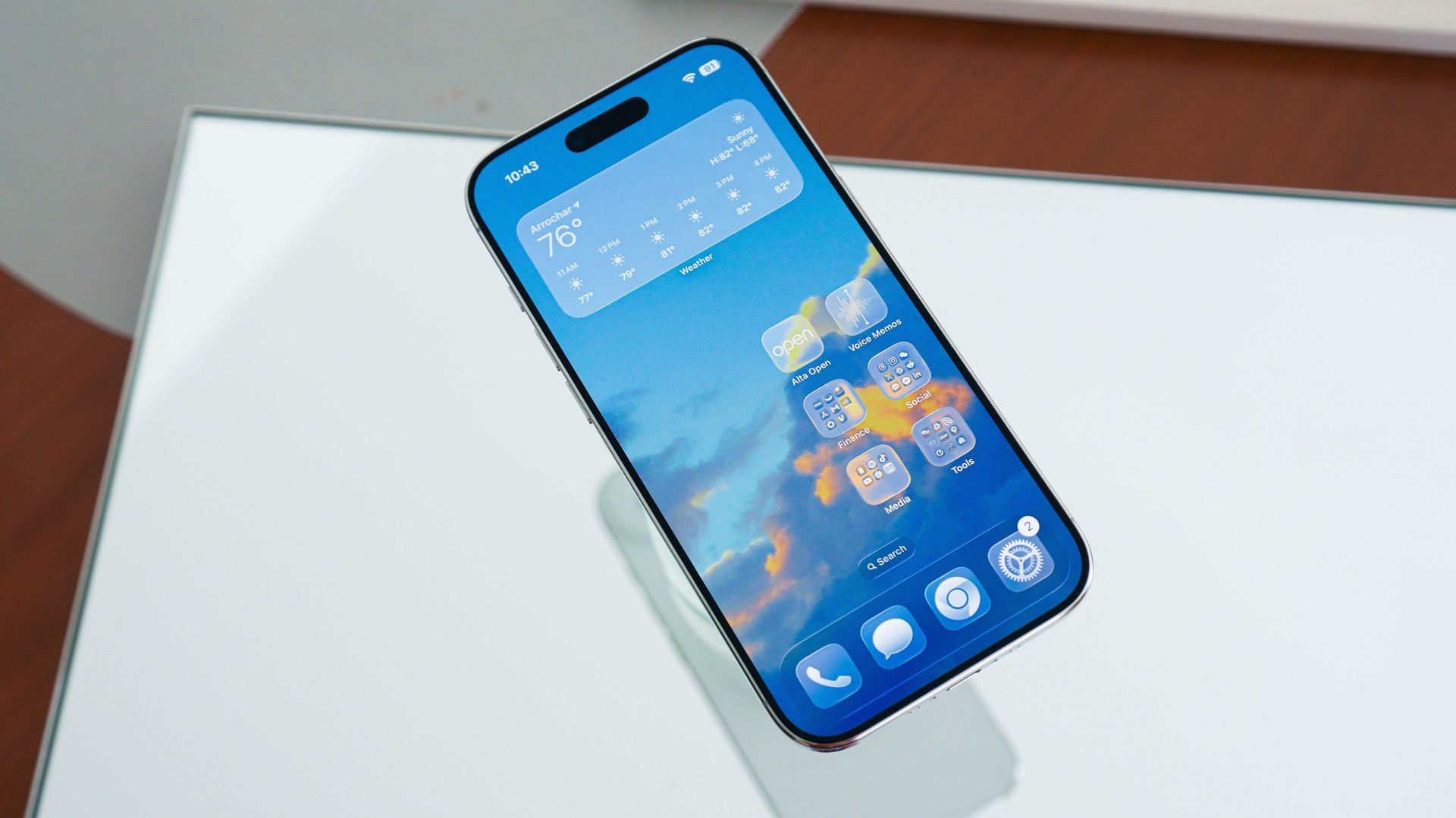
- You'll exploit iOS 26's Liquid Glass animations on that expansive OLED
Avoid if:
- You regularly push 4K video pipelines
- Optical zoom is non-negotiable
- Your device survives 16-hour days untethered
As I handed the Air back, my Pro Max felt suddenly archaic. That gravitational shift—from appreciating power to craving absence—is Apple's real achievement here. The future isn't thicker vapor chambers; it's engineering that disappears.
Source: ZDNET review by Kerry Wan
Comments
Please log in or register to join the discussion