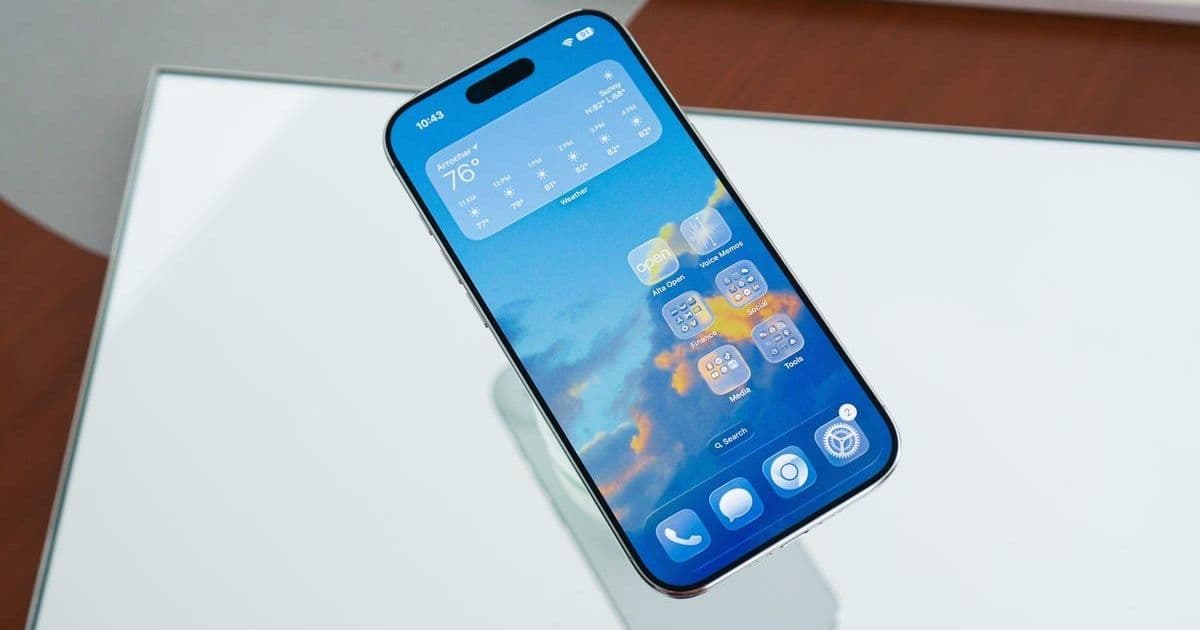
Apple's radical iPhone Air delivers unprecedented thinness and lightness with Pro-level performance, but its thermal constraints and single-camera system reveal the engineering trade-offs required for such extreme miniaturization. This first-generation device signals a bold new direction in smartphone design philosophy.
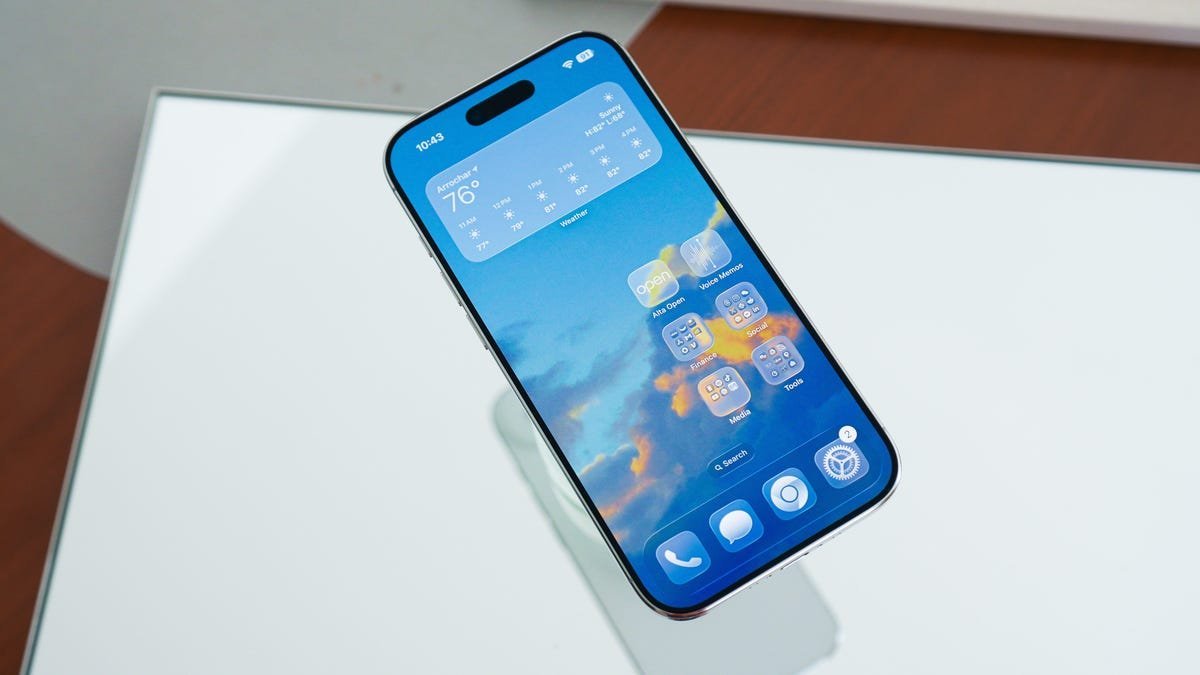
The smartphone industry's relentless pursuit of thinness has reached a new zenith with Apple's iPhone Air. Measuring just 5.6mm thick and weighing significantly less than even the iPhone 17 Pro models, this device represents Apple's most aggressive experiment in portability since the controversial iPhone 6 Plus. After extensive testing, ZDNET's review reveals a device that prioritizes 'burdenless' ergonomics above all else—a philosophy with both remarkable advantages and unavoidable compromises.
Engineering the Impossible: Thinness Without Fragility
Apple's theatrical reveal—balancing the iPhone Air on a single finger—wasn't just marketing theater. The titanium frame and dual Ceramic Shield layers enable what seems physically improbable. During factory stress tests, the device withstood 130 pounds of direct pressure without structural failure, a critical reassurance given the 'bendgate' legacy of ultra-thin devices. Real-world testing confirmed this resilience: "I sat down with the Air in my back pocket as a six-foot individual well over 130 pounds," reports ZDNET's Kerry Wan, "and the device showed no signs of fragility."
Pro Performance in an Air Frame
The Air defies expectations by housing Apple's flagship A19 Pro chip—the same silicon powering the iPhone 17 Pro Max. Benchmark comparisons tell a revealing story:
| Device | Geekbench 6 Single-Core | Geekbench 6 Multi-Core | Adobe Premiere Render (4K/30s) |
|---|---|---|---|
| iPhone Air (A19 Pro) | 3,695 | 9,571 | 22 seconds |
| iPhone 16 Pro Max | 3,612 | 9,210 | 20 seconds |
| Samsung S25 Edge | 3,037 | 10,106 | 43 seconds |
Source: ZDNET performance testing
This raw power comes with thermal consequences. The condensed internal layout—lacking the vapor chamber cooling of Pro models—causes noticeable heat concentration around the camera plateau during sustained workloads. "Heat is less noticeable on other phones because it's dispersed across the body," Wan observes, "but the Air's design forces thermal compromises."
Camera Innovation and Sacrifice
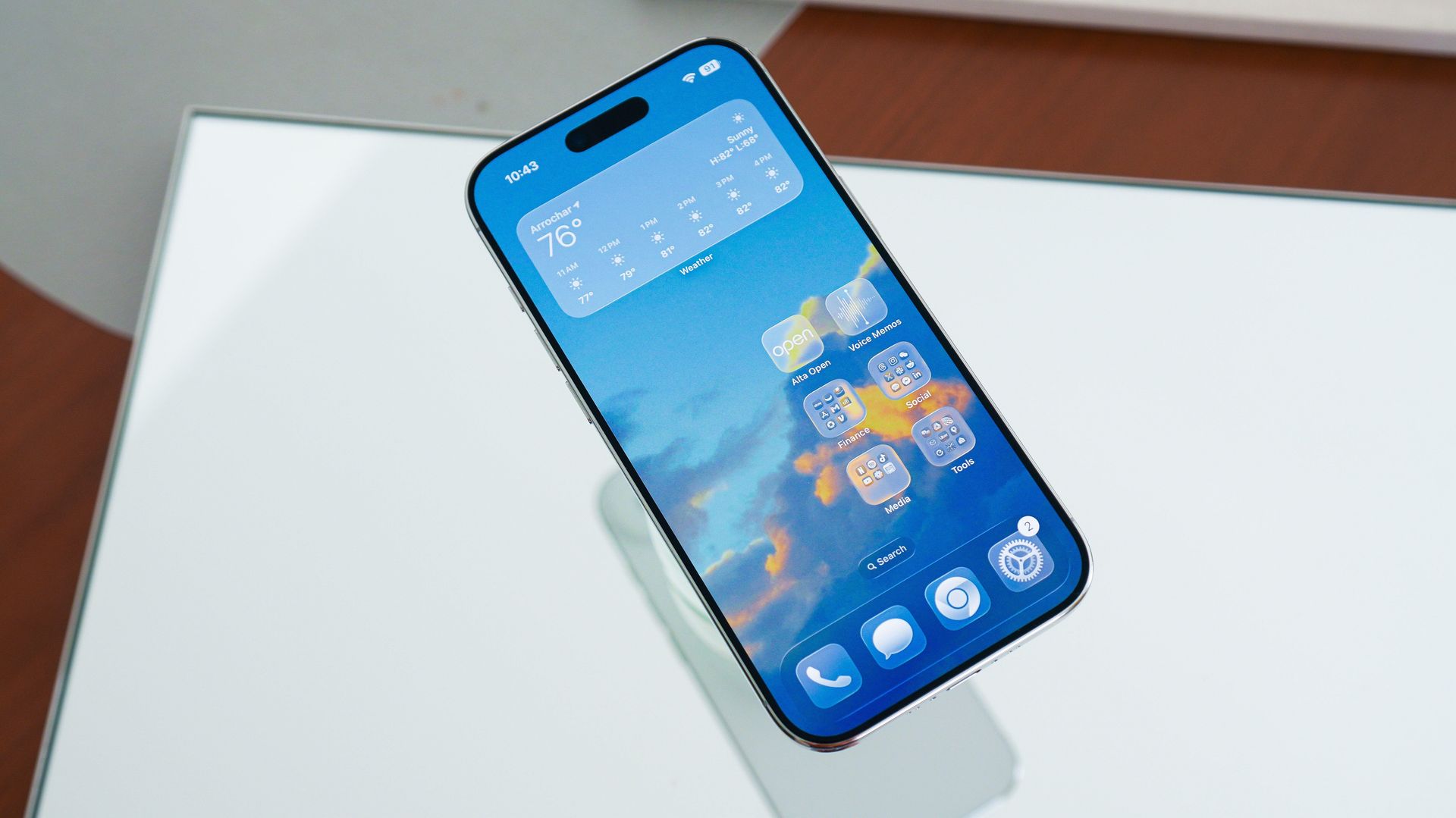
The single 48MP rear camera represents Apple's most controversial trade-off. While it delivers signature color accuracy and contrast, the absence of optical zoom and ultrawide capabilities limits creative flexibility. The real innovation lies in the front-facing system: an 18MP Center Stage camera with adaptive field-of-view and exceptional electronic stabilization. "The squared sensor fundamentally changes selfies and video calls," notes Wan, "providing depth and stability previously unseen in smartphone front cameras."
Battery Life: The Physics of Thinness
Physics dictates that thinner devices sacrifice battery capacity. The Air's endurance reflects this reality—it's not an all-day performer under heavy use. Apple's solution? Aggressive promotion of MagSafe accessories. "You'll be reaching for a charger more often," the review states, "a necessary concession for those prioritizing form over function."
The Verdict: Who Should Embrace the Air?
At $999, the iPhone Air isn't for everyone. Camera enthusiasts and power users will find better value in Apple's Pro lineup. But for early adopters and design pioneers, it represents something more significant: a prototype for smartphones' inevitable thinning evolution. As Wan concludes, "Switching between the Air and any other model amplifies the sense that thicker devices will soon be relics. This isn't just a new iPhone—it's a statement about where mobile technology must head."
Source: ZDNET hands-on testing and analysis by Managing Editor Kerry Wan
Comments
Please log in or register to join the discussion