
Apple captured 20% of global smartphone market share in 2025, overtaking Samsung's 18%, driven by iPhone 17 momentum and iPhone 16 performance in key Asian markets. This shift signals critical considerations for mobile app developers.

After two years of near-parity, Apple has decisively overtaken Samsung in global smartphone market share according to Counterpoint Research's latest report. Apple secured 20% market share in 2025 compared to Samsung's 18%, achieving 10% year-over-year shipment growth - double Samsung's growth rate. This reversal carries significant implications for mobile developers navigating platform priorities.
Platform Shift Dynamics
Apple's growth stems from three interconnected factors:
- iPhone 17 Dominance: The latest flagship series drove Q4 momentum globally
- iPhone 16 Resilience: Strong ongoing sales in Japan, India, and Southeast Asia
- Upgrade Cycle Peak: COVID-era device replacements reached critical mass

Development Implications
Regional Prioritization
Apple's gains in India (+33% YoY) and SEA markets compel developers to reevaluate:
- Enhanced localization for iOS-first regions
- Payment system integrations (UPI, PayPay, GrabPay)
- Network optimization for developing infrastructure
Hardware Considerations
With memory costs rising and upgrade cycles extending:
- Longer OS support expectations (5+ years)
- Memory optimization critical for entry-tier devices
- Feature gating based on device capabilities
Cross-Platform Strategy
Despite Apple's lead, Samsung's 18% share maintains Android's relevance:
- Cross-platform tools (Flutter, React Native) remain essential
- Samsung-specific optimizations (foldables, S Pen)
- Diversified revenue streams across ecosystems
Supply Chain Resilience
Apple's component procurement advantage and Samsung's vertical integration position both to weather memory cost fluctuations. Developers should:
- Monitor component-driven price changes affecting device adoption
- Anticipate longer refresh cycles in price-sensitive markets
- Maintain compatibility testing for 3-year-old devices
Looking Ahead
The iPhone 17's contribution highlights Apple's pricing power in premium segments, while iPhone 16's performance demonstrates mid-tier strength. Developers should:
- Audit app performance across iPhone 14-17 generations
- Evaluate feature adoption curves in emerging markets
- Balance iOS feature development with Android maintenance
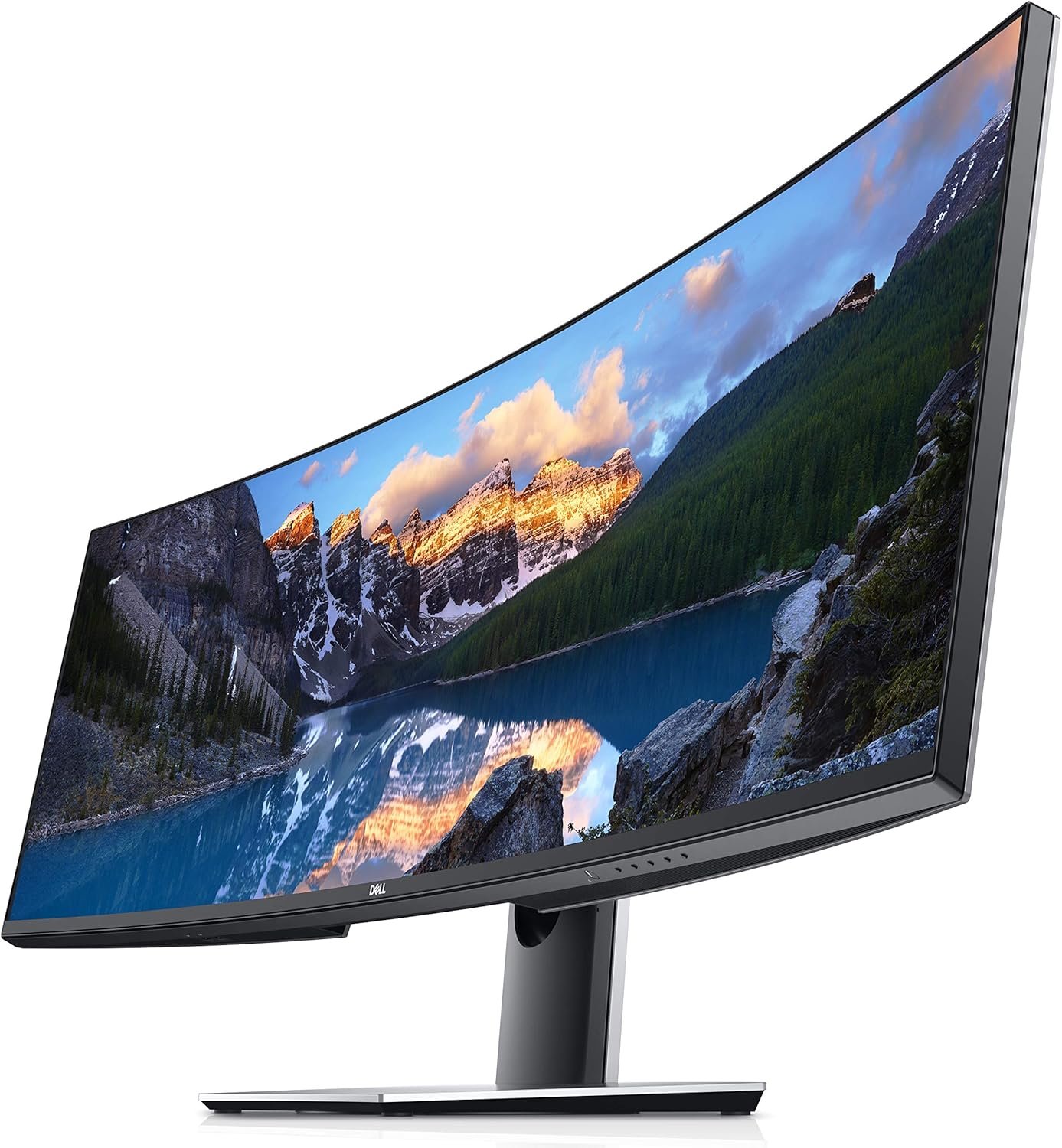
Ben Lovejoy uses a Dell 49-inch curved monitor for cross-platform development.
Market share shifts create tangible development imperatives. Apple's lead signals increased iOS investment urgency, but Samsung's enduring share and Android's fragmented landscape necessitate strategic balance. Those who adapt deployment priorities to these hardware trends will capture the evolving installed base.
Comments
Please log in or register to join the discussion