
The economic fallout from potential conflict with Iran could create lasting market disruptions and supply chain impacts across multiple sectors.
The prospect of military conflict with Iran has sent ripples through global financial markets, with investors bracing for potential economic shocks that could persist long after any immediate hostilities subside. Energy markets have been particularly volatile, with oil prices spiking on fears of disrupted supply from the Middle East.
Energy Sector Vulnerabilities
The Strait of Hormuz, through which roughly 20% of global oil supplies pass daily, represents a critical chokepoint. Any military action that threatens shipping in this narrow waterway could trigger immediate price surges at the pump and create cascading effects throughout the global economy.
Historical precedent suggests that even the threat of conflict can create lasting market anxiety. During previous Middle East tensions, oil prices have remained elevated for months after initial spikes, affecting everything from transportation costs to manufacturing expenses.
Supply Chain Disruptions
Beyond energy, Iran's role in global supply chains could create unexpected bottlenecks. The country produces significant quantities of industrial chemicals, minerals, and agricultural products that feed into manufacturing processes worldwide.
Companies with operations in the region face difficult decisions about whether to maintain facilities, relocate operations, or suspend activities. These choices often take months to implement and can result in permanent shifts in global trade patterns.
Currency and Investment Impacts
Emerging market currencies have already shown sensitivity to the escalating tensions, with some experiencing significant depreciation against the dollar. This currency volatility can persist for years after initial conflicts, affecting everything from import costs to debt servicing for developing nations.
Foreign direct investment in the region has historically contracted during periods of military tension, with investors seeking safer havens. This capital flight can take years to reverse, even after peace returns.
Long-Term Economic Consequences
The economic aftershocks of military conflict often extend far beyond the immediate aftermath. Infrastructure damage, disrupted trade relationships, and lost economic output can take years to repair.
For businesses operating globally, the current uncertainty requires contingency planning that goes beyond typical risk management. Supply chain diversification, currency hedging, and strategic inventory building have become priorities for companies with exposure to the region.
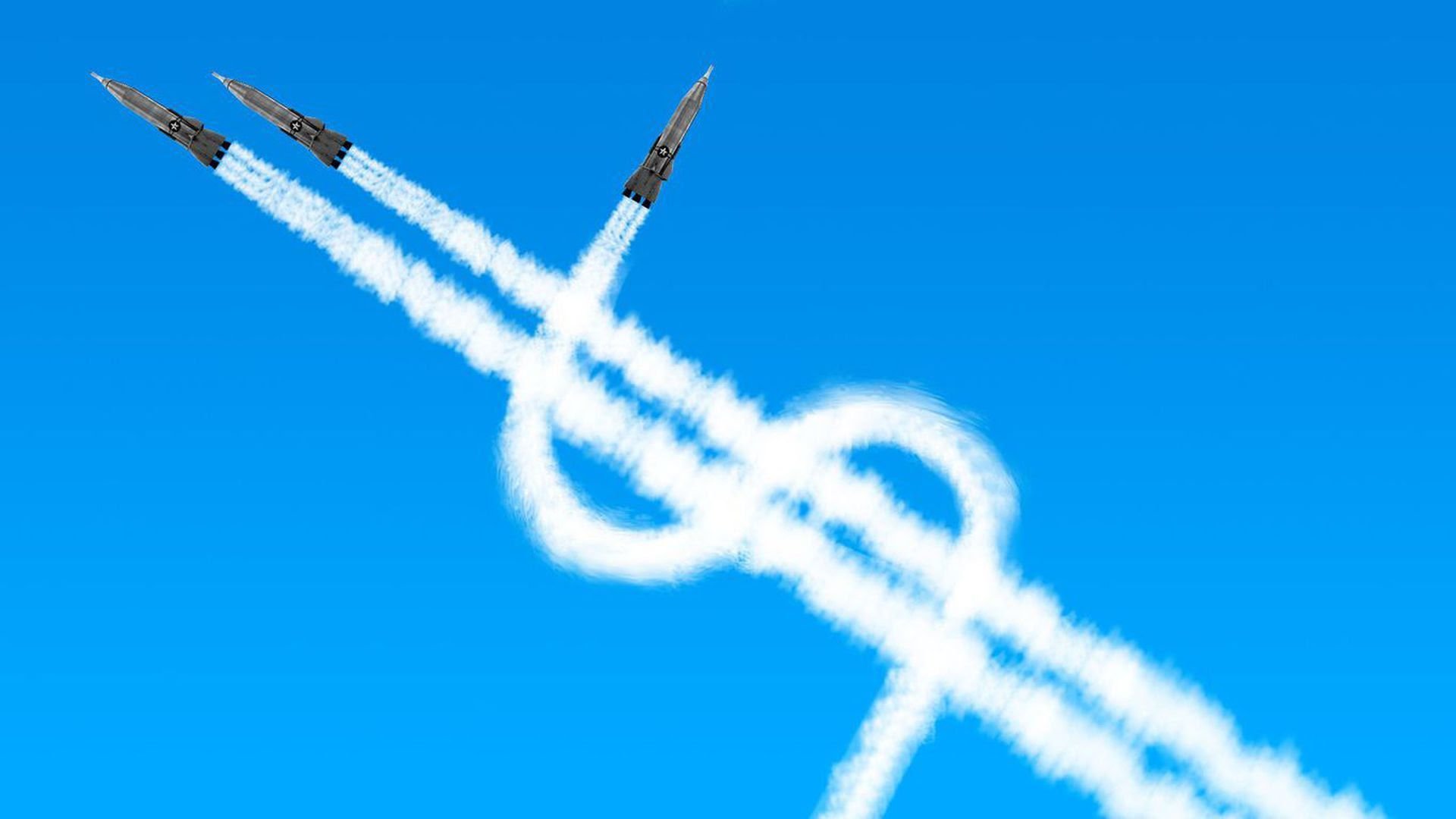
The interconnected nature of the global economy means that shocks originating in one region can quickly propagate worldwide, creating economic reverberations that last long after headlines fade.
As tensions continue to evolve, market participants remain on high alert for signs of escalation that could trigger the next wave of economic disruption. The full impact of any conflict would likely unfold over months or years, rather than days or weeks.
Comments
Please log in or register to join the discussion