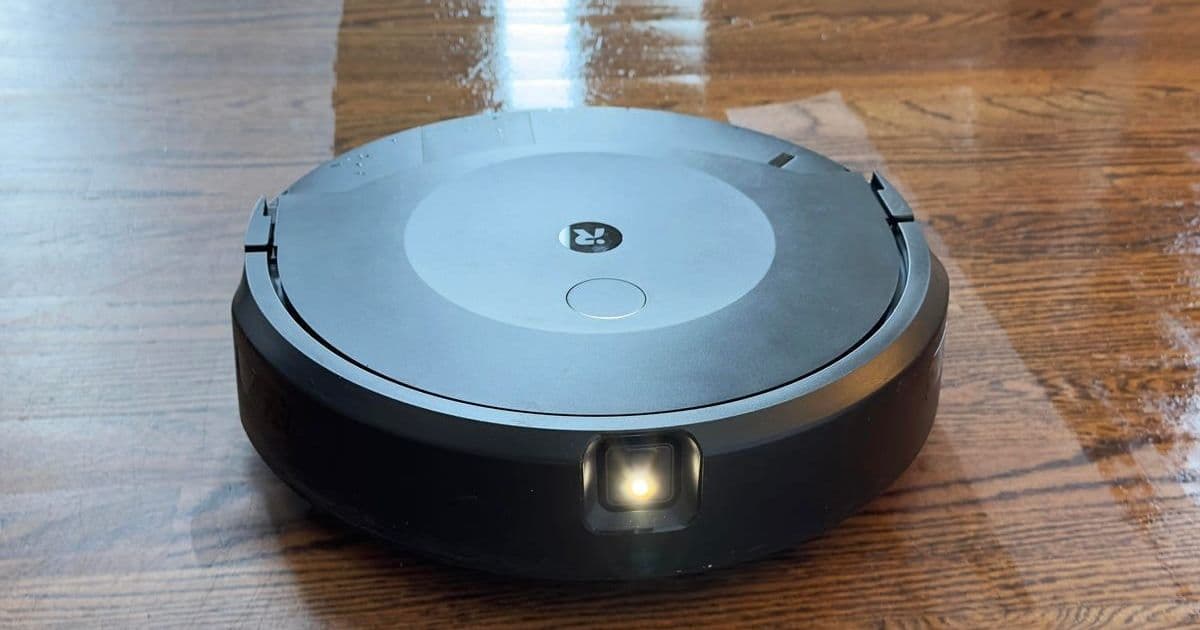
iRobot’s filing for Chapter 11 bankruptcy marks the end of an era for the pioneering robot vacuum brand. The move, driven by declining revenue and an aborted Amazon acquisition, leaves Roomba under the ownership of Chinese ODM Picea Robotics, reshaping the competitive landscape and cloud‑dependent user experience.
iRobot’s Chapter 11 Filing Signals a Shift in the Robot Vacuum Landscape
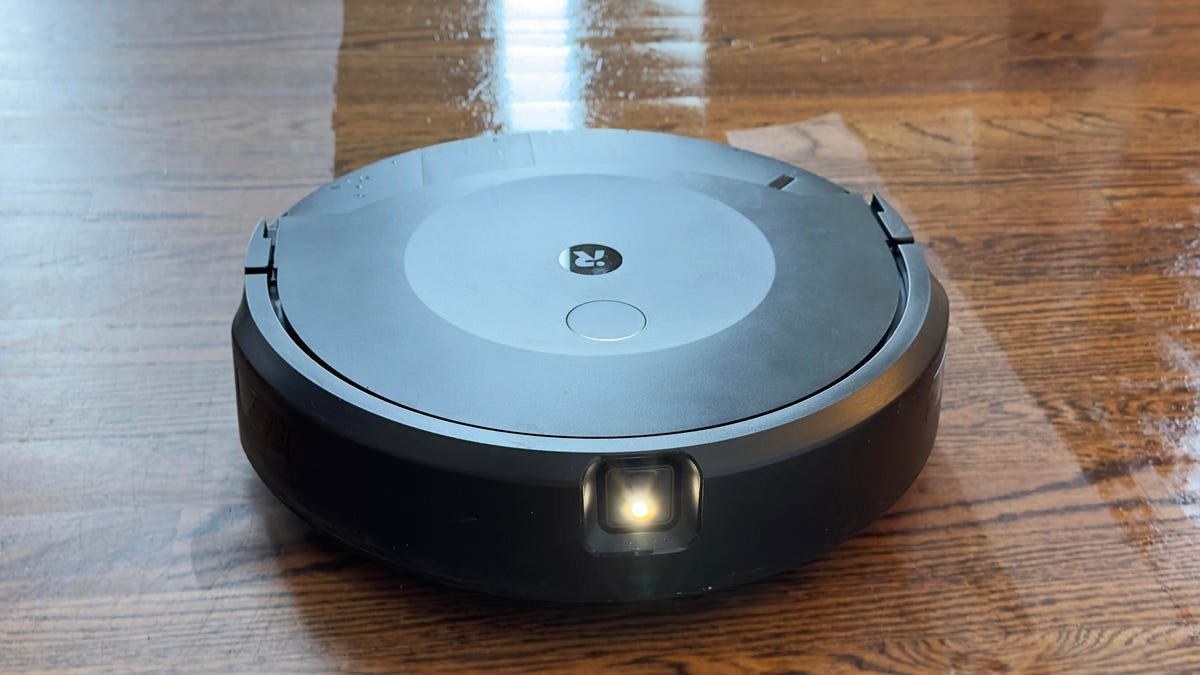
In a move that stunned the robotics community, iRobot filed for Chapter 11 bankruptcy on December 15, 2025. The filing follows years of shrinking revenue and a failed acquisition by Amazon that left the company financially vulnerable. While the brand’s iconic Roomba line will continue to operate, the new ownership structure—full acquisition by Shenzhen‑based Picea Robotics—signals a dramatic pivot in strategy, supply chain, and product innovation.
From Pioneer to OEM: The Rise of Picea Robotics
Picea Robotics, also known as 3irobotix, has been iRobot’s contract manufacturer for several years. Founded in 2016, the company has grown into one of China’s largest original design manufacturers (ODMs) for robot vacuums, producing units for brands such as Shark, Anker’s Eufy, and its own 3i line.
"Picea has moved from a simple OEM role into a strategic partner that now owns the Roomba brand," notes a senior analyst at a leading robotics research firm.
The acquisition eliminates roughly $350 million of iRobot’s debt and gives Picea full control over the Roomba name. However, the shift also raises questions about the future of software‑driven innovation that has historically defined the brand.
Cloud Dependency vs. Local Control
Modern Roombas rely heavily on cloud services for firmware updates, mapping, geofencing, and third‑party integrations. If iRobot were to shut down entirely, users would lose access to these services, leaving only the robot’s basic hardware functions operational.
In contrast, competitors such as Roborock, Dreame, and Eufy maintain local control of maps and room data, reducing dependence on continuous cloud connectivity. The new ownership may either maintain the status quo or pivot toward a more locally‑centric architecture to mitigate future disruptions.
Market Implications
The bankruptcy underscores the intense price pressure in the robot vacuum market. Chinese brands have flooded the space with lower‑cost alternatives that match or exceed Roomba’s performance in many areas. Rising U.S. tariffs and supply‑chain bottlenecks have further eroded iRobot’s margins.
With Picea now at the helm, the brand may lean into cost efficiencies and rapid iteration, but it risks losing the premium positioning that once set Roomba apart. Developers who rely on iRobot’s SDKs and cloud APIs may need to adapt to new endpoints or face limited support.
What Consumers Can Expect
iRobot assures that Roomba users will not experience a sudden loss of functionality. Firmware updates, bug fixes, and cloud‑based features will continue during the restructuring period. However, the brand’s future innovation roadmap remains unclear.
Consumers who value the convenience of cloud‑enabled mapping and smart‑home integration should monitor the evolution of Roomba’s software strategy. If the brand shifts toward a more local model, it could level the playing field with competitors that already offer similar capabilities.
A Turning Point for the Industry
iRobot’s Chapter 11 filing is more than a corporate restructuring; it is a bellwether for the broader robot vacuum industry. The convergence of OEM dominance, cloud dependency, and fierce price competition points to a future where brand differentiation will hinge on software ecosystems and supply‑chain resilience.
As Picea Robotics steers the Roomba brand into this new era, developers, engineers, and tech leaders will watch closely to see whether the legacy of innovation can survive a corporate pivot toward cost efficiency and market consolidation.
Comments
Please log in or register to join the discussion