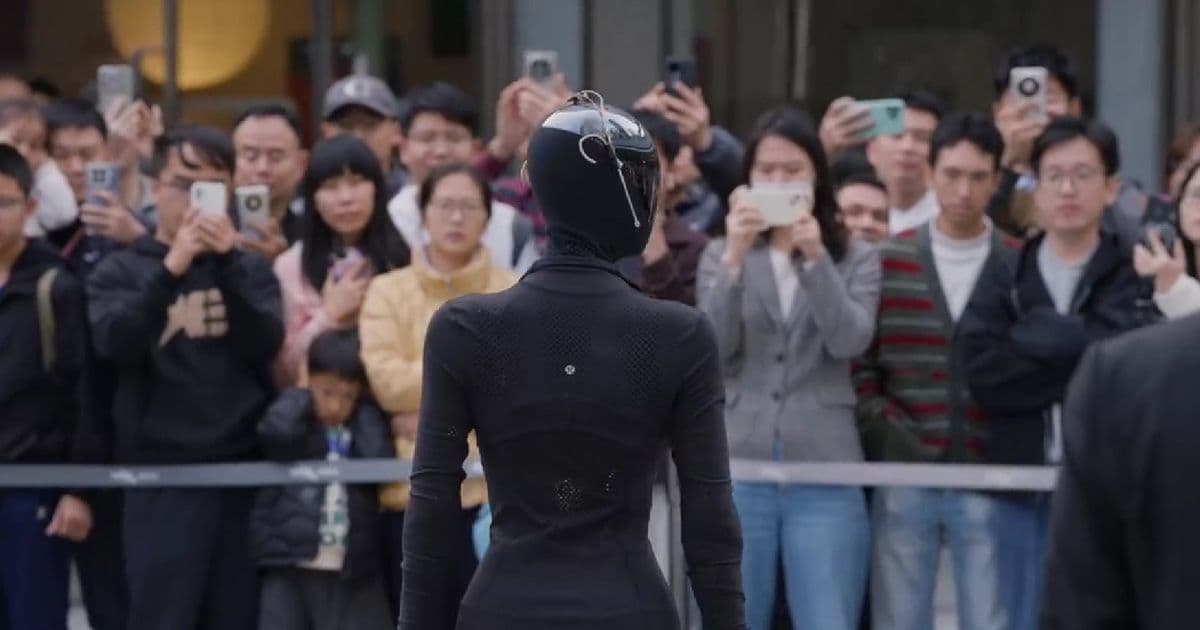
Xpeng Motors' humanoid robot IRON stumbled during its first public appearance in Shenzhen, but CEO He Xiaopeng reframed the fall as a natural part of technological development, comparing it to a child learning to walk.
Xpeng Motors CEO He Xiaopeng yesterday played down concerns after the company's humanoid robot, IRON, fell during its first public appearance at a shopping mall in Shenzhen, calling the incident a normal step in technological development. In a post on social media, He likened the moment to "children learning to walk," saying that after falling, they steady themselves before eventually running.
IRON had previously attracted attention online for its unusually light, catwalk-like gait, though some users questioned whether the robot's movements were authentic. Xpeng's vice president said the fall had instead eased public suspicion that the robot was being operated by a human performer.
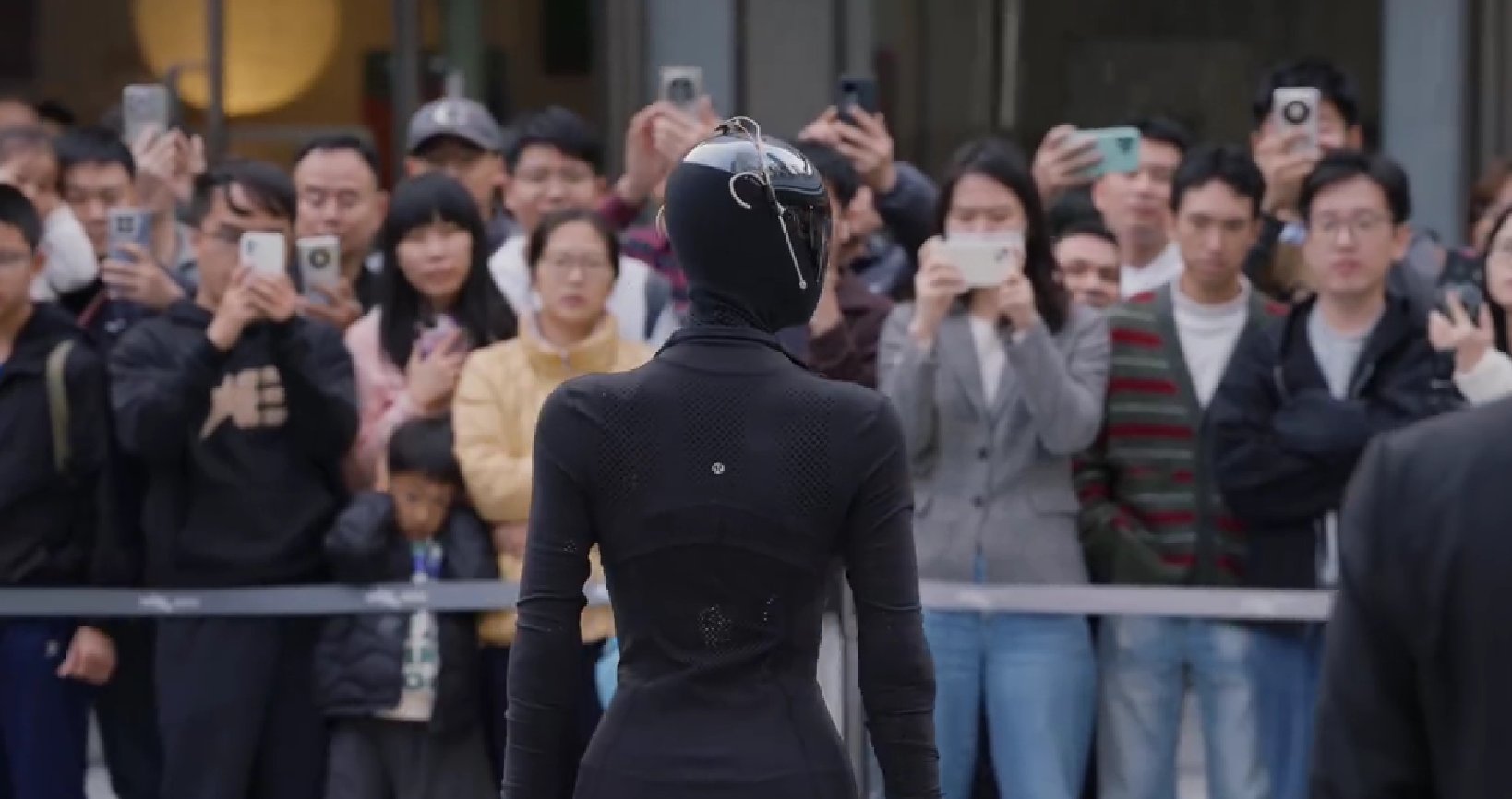
The incident highlights the challenges facing humanoid robotics companies as they move from controlled demonstrations to real-world public appearances. While IRON's fall might seem like a setback, it actually demonstrates the robot's autonomous operation - a human-controlled robot would presumably avoid such public stumbles.
Xpeng has been positioning itself as a major player in China's humanoid robot race, alongside companies like Unitree and Fourier Intelligence. The company has invested heavily in AI and robotics as part of its broader strategy to diversify beyond electric vehicles.
The "learning to walk" analogy is particularly apt given that bipedal robots face fundamental challenges in balance and locomotion that even human toddlers spend months mastering. IRON's light, graceful movements - which initially raised authenticity questions - suggest the robot was attempting sophisticated motion control rather than simple, stable walking.
This public stumble may actually benefit Xpeng by demonstrating the robot's genuine autonomy, even if that autonomy isn't yet perfect. As humanoid robots move from research labs to commercial applications, companies will need to manage public expectations about the technology's current limitations while showcasing its potential.
The incident also reflects a broader trend in robotics where companies are increasingly comfortable showing imperfect technology in public, rather than only revealing polished demonstrations. This transparency may help build long-term trust as the technology matures.
Xpeng's response - framing the fall as a positive learning moment rather than a failure - suggests the company understands that public perception of humanoid robots will be shaped not just by their successes but by how gracefully they handle setbacks.
Comments
Please log in or register to join the discussion