European transport groups are increasingly purchasing Chinese electric buses from BYD and Yutong due to their superior technology and lower prices, despite growing concerns about infrastructure control and security risks.
European transport companies are rapidly adopting electric buses from Chinese manufacturers BYD and Yutong, driven by competitive pricing and advanced technology, even as security concerns about Chinese infrastructure control persist across the continent.
German, Belgian, and Austrian transport groups have been particularly active in procuring these vehicles, citing the combination of lower costs and superior electric technology as decisive factors in their purchasing decisions. The trend reflects a broader pattern of Chinese electric vehicle manufacturers gaining ground in European markets, following similar successes in Southeast Asia and the UK.
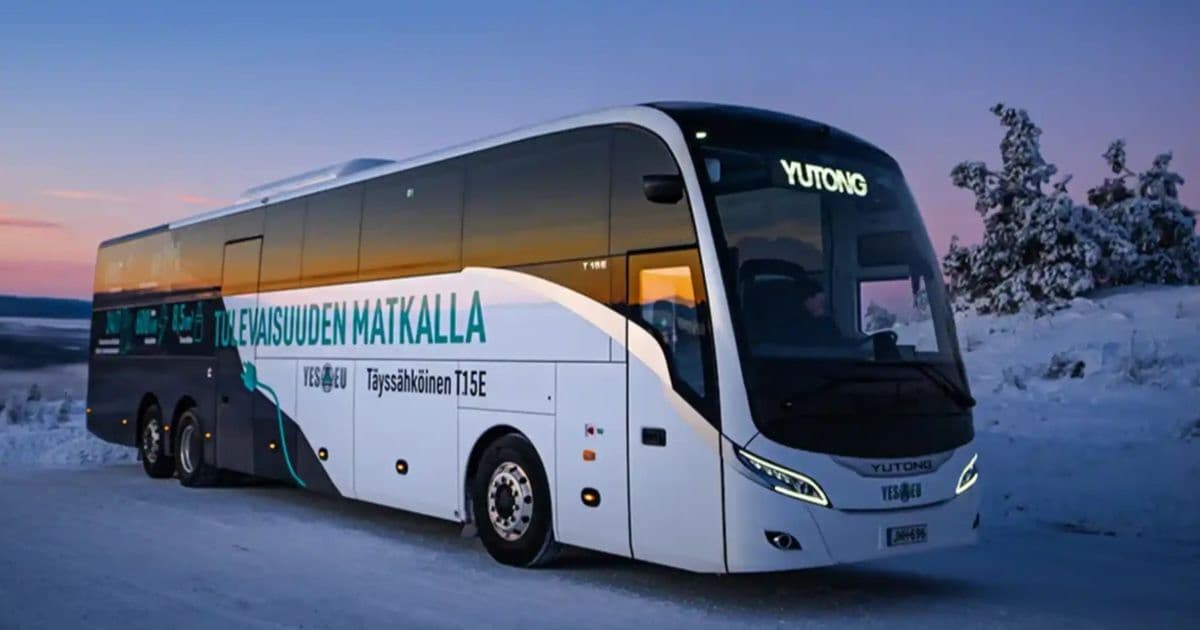
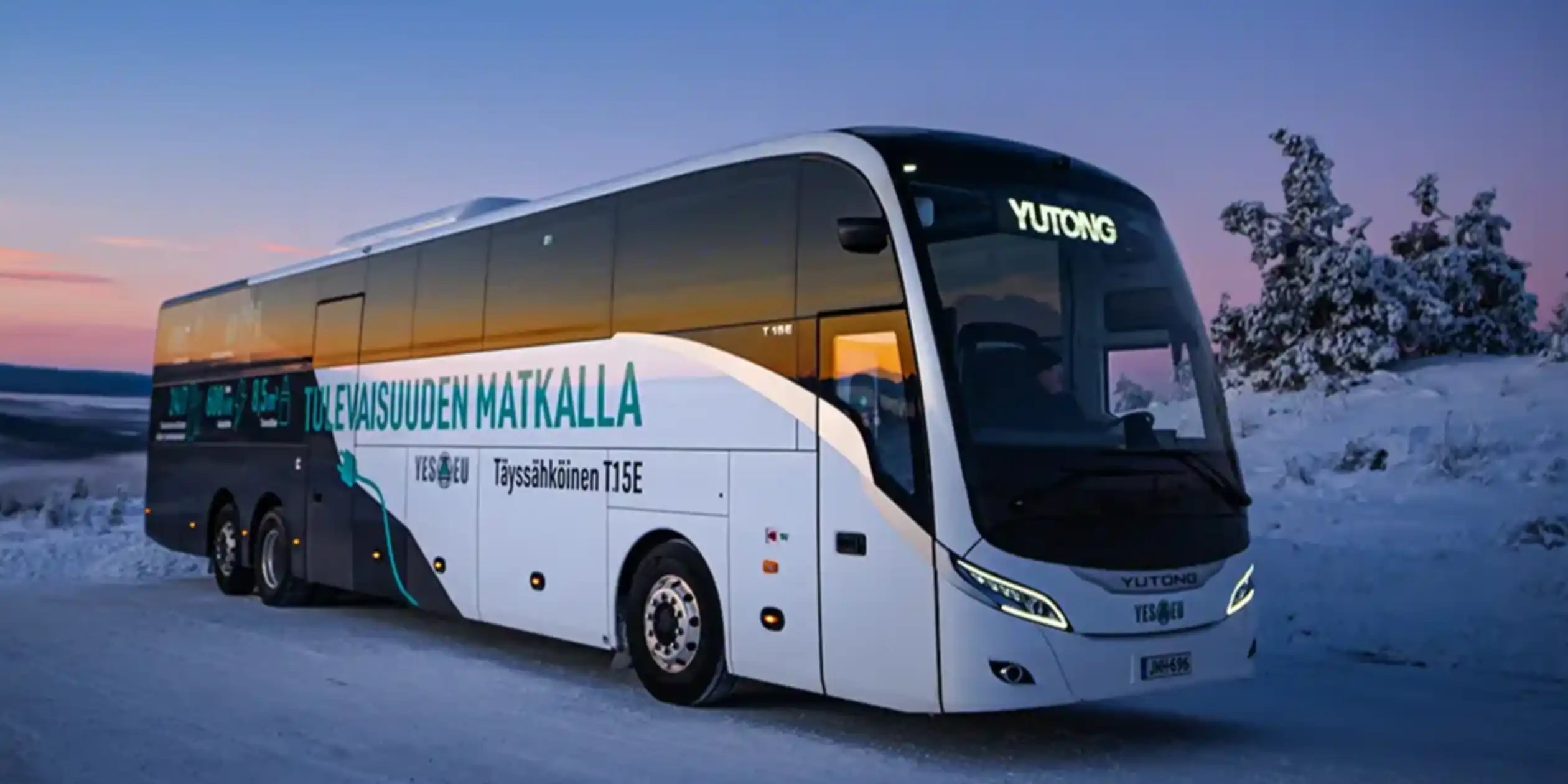
A notable demonstration of Yutong's technological capabilities came in December 2024, when the company's T15E electric coach completed two long-distance tests in Finland under extreme conditions. The vehicle operated successfully in temperatures reaching minus 20 degrees Celsius, showcasing the robustness of Chinese electric bus technology in challenging environments.
The adoption of Chinese electric buses comes amid broader concerns about infrastructure security and technological dependence on Chinese companies. European policymakers have expressed reservations about ceding control of critical transportation infrastructure to foreign entities, particularly those with close ties to the Chinese government.
This development parallels other trends in the European electric vehicle market, where Chinese manufacturers have been making significant inroads. Companies like BYD have leveraged their expertise in electric vehicle technology to expand beyond traditional automotive markets into public transportation sectors.
The shift toward Chinese electric buses represents a pragmatic approach by European transport operators who must balance cost considerations with technological requirements and security concerns. While the lower price points of Chinese vehicles make them attractive from a budgetary perspective, questions about long-term maintenance, parts availability, and potential cybersecurity vulnerabilities remain points of discussion among European officials.
The trend also reflects the growing competitiveness of Chinese electric vehicle manufacturers in global markets. As European cities push for electrification of their public transportation systems to meet climate goals, the combination of advanced technology and competitive pricing from Chinese manufacturers has proven difficult for European competitors to match.
Transport groups in Germany and neighboring countries appear to be prioritizing immediate operational needs and budget constraints over longer-term strategic considerations about infrastructure independence. This approach may face increased scrutiny as European governments develop more comprehensive policies regarding critical infrastructure and foreign technology dependencies.
The adoption of Chinese electric buses by EU companies highlights the complex trade-offs facing European businesses and policymakers as they navigate the transition to electric transportation while managing geopolitical and security considerations. As more cities electrify their bus fleets, the balance between cost-effectiveness, technological capability, and security concerns will likely remain a central challenge for European transport authorities.
The success of BYD and Yutong in securing contracts with European transport groups suggests that Chinese manufacturers have successfully addressed many of the technical challenges associated with electric buses, particularly in terms of cold-weather performance and long-distance capabilities. This technological advancement, combined with competitive pricing, has created a compelling value proposition for cost-conscious transport operators.
As European cities continue to expand their electric bus fleets, the influence of Chinese manufacturers is likely to grow, potentially reshaping the competitive landscape of the global electric bus market and raising ongoing questions about infrastructure security and technological sovereignty in the European Union.
Comments
Please log in or register to join the discussion