Stripe veteran Lachy Groom co-founds Physical Intelligence, a robotics startup building foundation models for general-purpose robots, raising over $1 billion in funding.
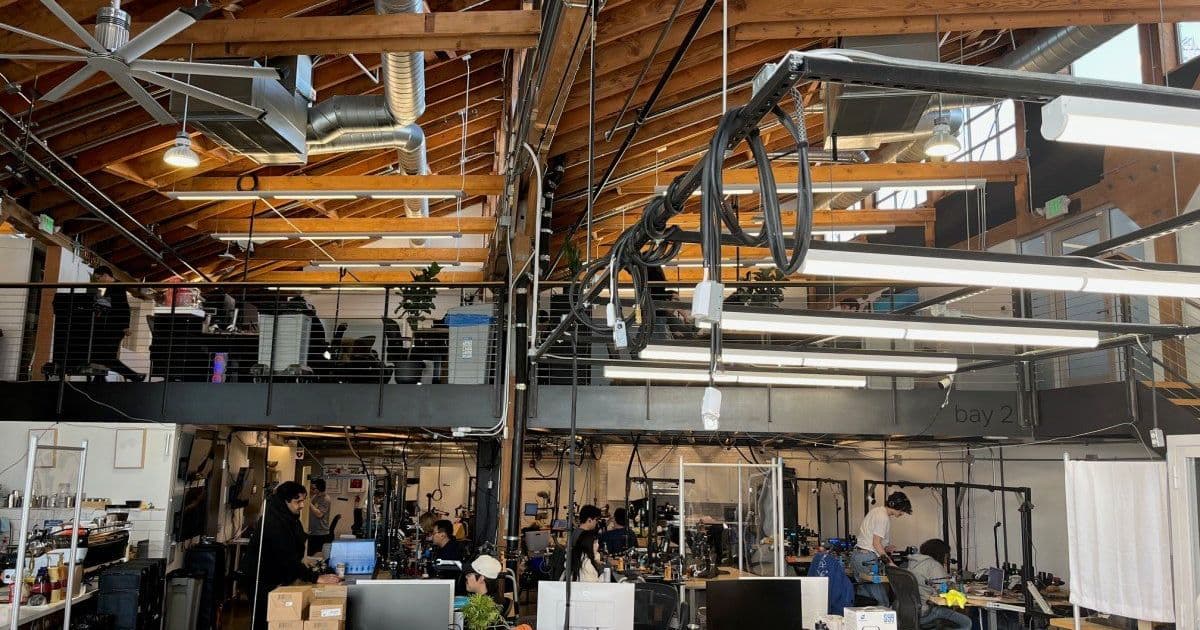
From the street, the only indication I've found Physical Intelligence's headquarters in San Francisco is a pi symbol that's discreetly etched into the glass door. Inside, the startup is building something that could fundamentally change how we think about robotics - not just another industrial arm or warehouse drone, but general-purpose foundation models that could power any kind of robot.
Physical Intelligence represents a fascinating convergence of several tech trends. The company is applying the same foundation model approach that revolutionized natural language processing to the physical world. Instead of training separate models for different robotic tasks, they're building a single, versatile system that can control various types of robots across multiple applications.
The startup's approach mirrors what we've seen in AI development over the past decade. Just as large language models like GPT became capable of handling diverse language tasks, Physical Intelligence aims to create models that can handle diverse physical tasks. This could mean a single model controlling everything from household robots to industrial machinery to autonomous vehicles.
What makes this particularly interesting is the caliber of talent behind it. Lachy Groom, the Stripe veteran co-founding the company, brings experience from one of tech's most successful payment platforms. The combination of payments infrastructure expertise with robotics suggests they might be thinking about how robots could integrate into commerce and everyday transactions.
The $1B+ funding round signals strong investor confidence in this approach. In the current AI landscape, where companies are racing to build ever-larger models, Physical Intelligence is betting that the next frontier isn't just better language models, but models that can interact with and manipulate the physical world.
However, the robotics field has seen many ambitious startups come and go. The challenge of creating truly general-purpose robots that can operate reliably in unstructured environments remains formidable. Physical Intelligence will need to prove that their foundation model approach can overcome the practical limitations that have hampered previous attempts at versatile robotics.
If successful, Physical Intelligence could help bridge the gap between AI's digital capabilities and the physical world's demands. The implications extend beyond just robotics - this could be a step toward the kind of general-purpose AI systems that can operate across both digital and physical domains.
The pi symbol on their door might be more than just a mathematical reference. It could symbolize the infinite possibilities they're trying to unlock in the intersection of AI and robotics.
Comments
Please log in or register to join the discussion