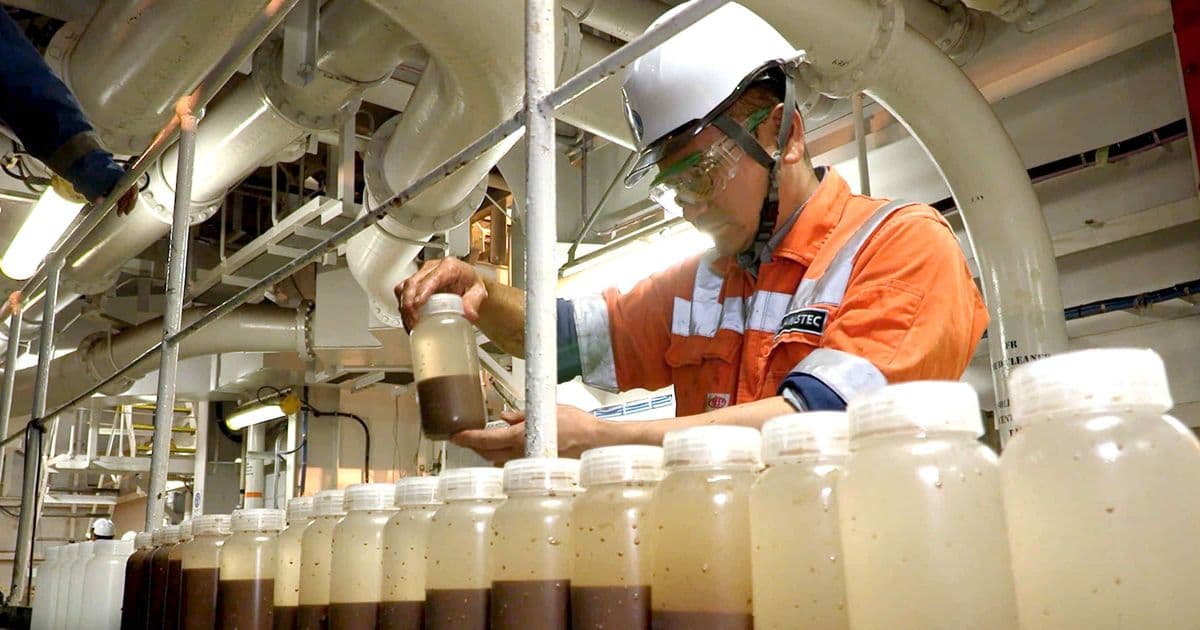
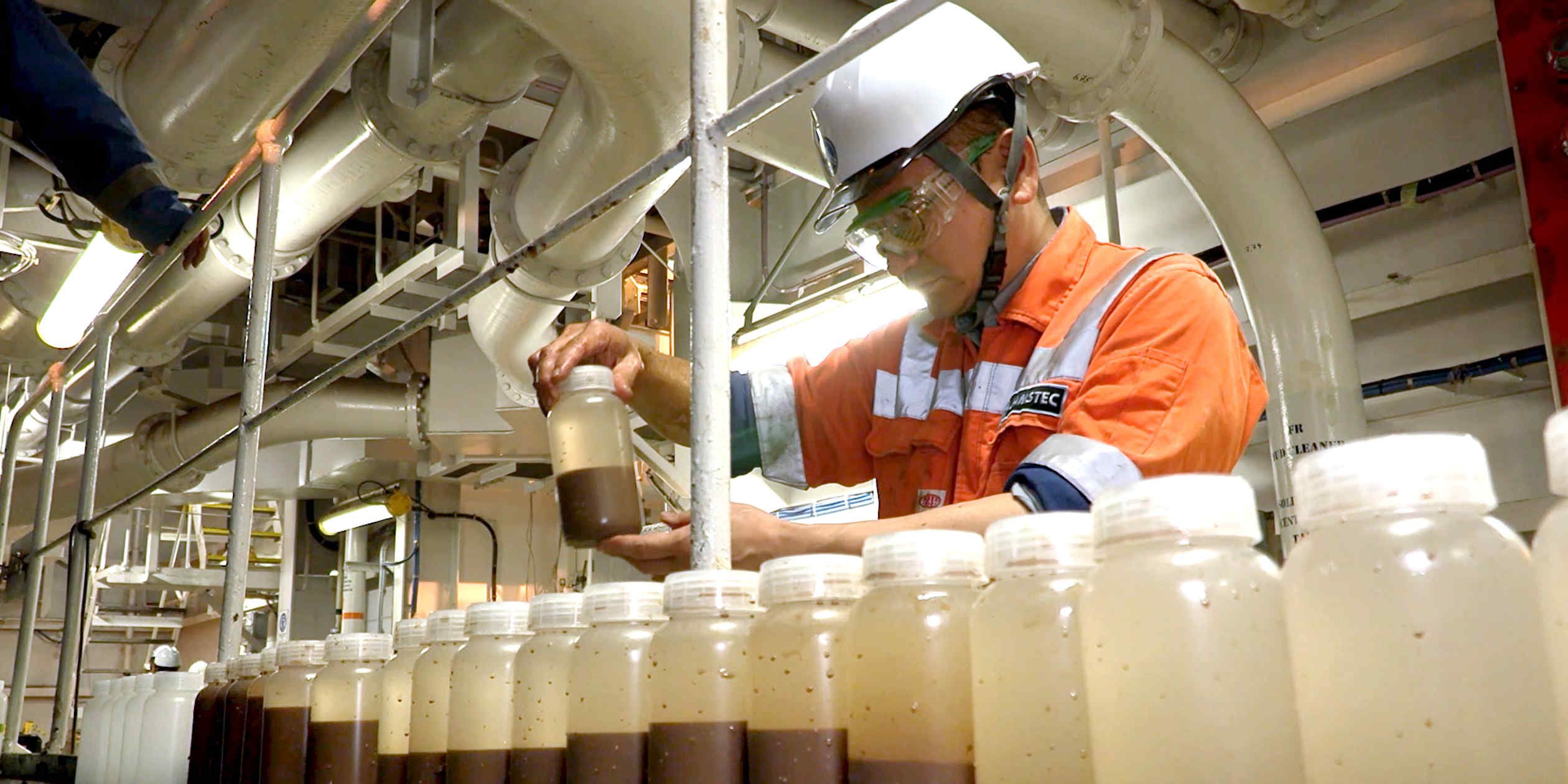
Japan's successful retrieval of rare earth elements from 6,000 meters below the Pacific Ocean marks a potential breakthrough in reducing dependence on Chinese supply, with seabed mud samples from near Minamitorishima island now being analyzed for key materials essential to high-tech manufacturing.
Japan has achieved a significant milestone in its quest for resource independence with the successful retrieval of seabed mud containing rare earth elements from a depth of 6,000 meters in the Pacific Ocean. The Japan Agency for Marine-Earth Science and Technology (JAMSTEC) announced the breakthrough on February 2, 2026, using its deep-sea scientific drilling vessel Chikyu near Minamitorishima, Japan's easternmost island located approximately 1,950 kilometers southeast of Tokyo.
This achievement represents years of effort in Japan's strategic push to reduce its reliance on China for critical materials. The retrieved slurry will undergo detailed analysis to determine the concentration and composition of rare earth elements, which are essential components in everything from smartphones and electric vehicles to wind turbines and military equipment.
The Strategic Context: Breaking China's Rare Earth Monopoly
The timing of this development is particularly significant given the ongoing tensions between Japan and China over rare earth supplies. China currently controls approximately 70% of global rare earth production and has previously used this dominance as a geopolitical tool, implementing export restrictions that have sent shockwaves through global supply chains.
Japan's push to "de-Chinafy" its rare earth supply chain has been a multi-year effort involving substantial investment in both domestic processing capabilities and alternative sourcing strategies. The country has been particularly vulnerable to supply disruptions given its position as a major manufacturer of high-tech products that rely heavily on these materials.
Technical Achievement and Economic Implications
The technical feat of retrieving samples from 6,000 meters below the ocean surface demonstrates Japan's advanced capabilities in deep-sea exploration and resource extraction. This depth presents significant engineering challenges, including extreme pressure conditions and the need for specialized equipment capable of operating in such an environment.
If the analysis confirms commercially viable concentrations of rare earth elements, this could fundamentally alter the global rare earth market. Japan has already announced plans to begin processing rare earth mud from 2027, suggesting confidence in the project's potential. The ability to tap into deep-sea reserves would provide Japan with a domestic source of these critical materials, reducing vulnerability to international supply disruptions.
Global Market Impact
The successful retrieval comes at a time when rare earth prices have been volatile due to geopolitical tensions and supply chain concerns. China's recent tightening of export controls on dual-use items and civilian-use rare earth exports to Japan has created additional urgency for alternative sourcing strategies.
This development could have ripple effects throughout the global technology and manufacturing sectors. Countries and companies that have been dependent on Chinese rare earth supplies may look to Japan as a potential alternative source, potentially reshaping global trade relationships in the high-tech materials sector.
Environmental and Technical Challenges Ahead
While the retrieval of samples represents a significant achievement, the path to commercial extraction remains complex. Deep-sea mining presents substantial environmental challenges, and Japan will need to address concerns about potential impacts on marine ecosystems. The technical challenges of scaling up from sample retrieval to full-scale extraction at such depths are considerable.
Additionally, the processing of rare earth elements is notoriously complex and environmentally challenging, requiring sophisticated facilities and technologies. Japan's success in this area will depend not only on the quantity and quality of the seabed deposits but also on its ability to develop efficient and environmentally responsible extraction and processing methods.
Looking Forward
The analysis of the retrieved samples will be crucial in determining the commercial viability of this resource. If the concentrations prove sufficient, Japan could be on the verge of establishing a new source of rare earth elements that would significantly enhance its economic security and technological independence.
This development represents more than just a technical achievement; it's a strategic move in the ongoing competition for control over critical materials that underpin the global technology economy. As the world becomes increasingly dependent on high-tech products and renewable energy technologies, control over rare earth elements has become a matter of national security for many countries.
Japan's success in retrieving these samples from the deep ocean could mark the beginning of a new era in resource extraction and supply chain security, potentially reducing the leverage that any single country can exert over global rare earth supplies.
Comments
Please log in or register to join the discussion