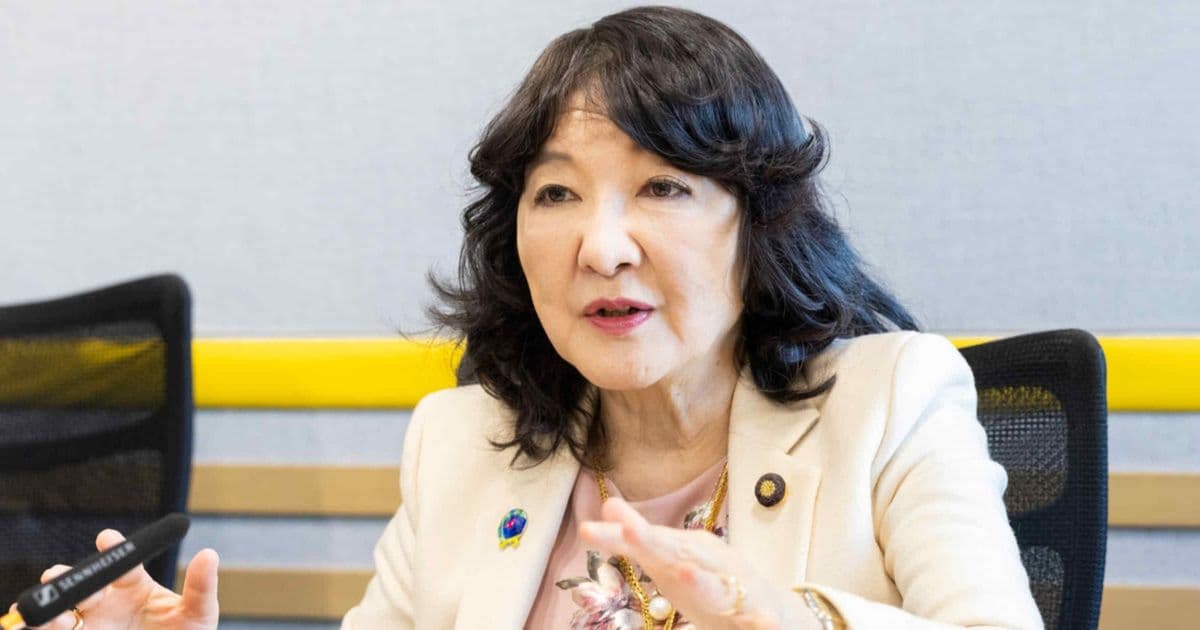
Japanese Finance Minister Satsuki Katayama advocates for a U.S.-Europe-Japan alliance to break China's strategic control over rare earth minerals critical for electric vehicles, defense systems, and consumer electronics.
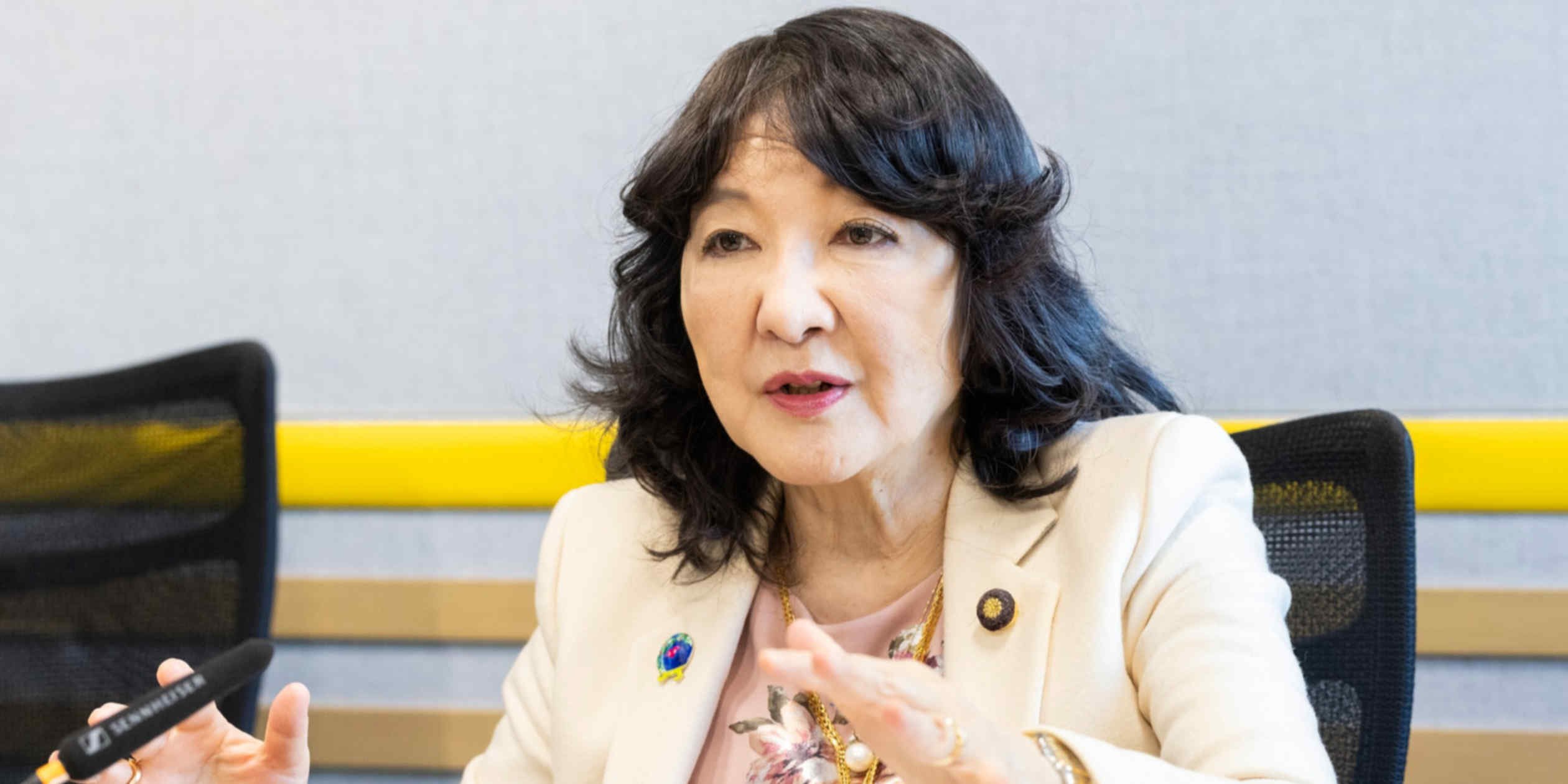
Japanese Finance Minister Satsuki Katayama has called for urgent international action to dismantle China's ability to weaponize rare earth supplies, framing the issue as an economic security imperative for advanced manufacturing nations. In an exclusive interview with Nikkei Asia, Katayama outlined plans for a trilateral supply chain initiative with the U.S. and Europe, aiming to reduce reliance on Chinese-controlled minerals essential for electric vehicle motors, wind turbines, and military hardware.
China currently dominates approximately 60% of global rare earth mining and over 85% of processing capacity, according to U.S. Geological Survey data. This near-monopoly gained strategic significance after China restricted exports to Japan during a 2010 territorial dispute, causing price spikes exceeding 600% for dysprosium used in precision motors. Katayama emphasized that such vulnerabilities directly threaten Japan's $150 billion automotive export sector and its position in the semiconductor supply chain.
The proposed alliance would accelerate three key countermeasures: First, operationalizing Japan's deep-sea rare earth extraction project near Minamitorishima Island, scheduled to begin processing seabed mud by 2027 with estimated reserves equivalent to centuries of global consumption. Second, expanding the German-style strategic stockpiling model where Japan currently maintains 60 days of rare earth reserves. Third, funding joint refining facilities in partner nations using Japan's $1.5 billion Critical Minerals Supply Chain Resilience Fund established in 2025.
This strategy aligns with broader Western initiatives like the U.S. Defense Production Act investments in MP Materials' California mine and the EU's Critical Raw Materials Act mandating that 20% of regional demand be sourced domestically by 2030. Katayama's vision extends beyond supply chain diversification, describing a coordinated 'market of democracies' that could establish alternative pricing mechanisms and quality standards independent of Chinese influence.
For Japanese manufacturers, successful implementation would mitigate component cost volatility that currently adds 5-15% risk premiums to long-term contracts. The Nikkei 500 Rare Earth Index surged 3.2% following the announcement, reflecting investor anticipation of reduced export control risks. However, analysts note that building independent processing capacity requires solving complex environmental challenges; rare earth separation typically generates radioactive thorium waste at 1.7kg per ton of ore processed—a technical hurdle where Chinese facilities still hold efficiency advantages.
The finance minister's push coincides with Japan securing Saudi investment in rare earth recycling ventures and developing Vietnam-based magnet production. With China recently expanding export controls beyond military applications to include civilian-use neodymium, Katayama's proposal signals a fundamental reconfiguration of mineral supply chains central to the $5 trillion global tech industry.
Comments
Please log in or register to join the discussion