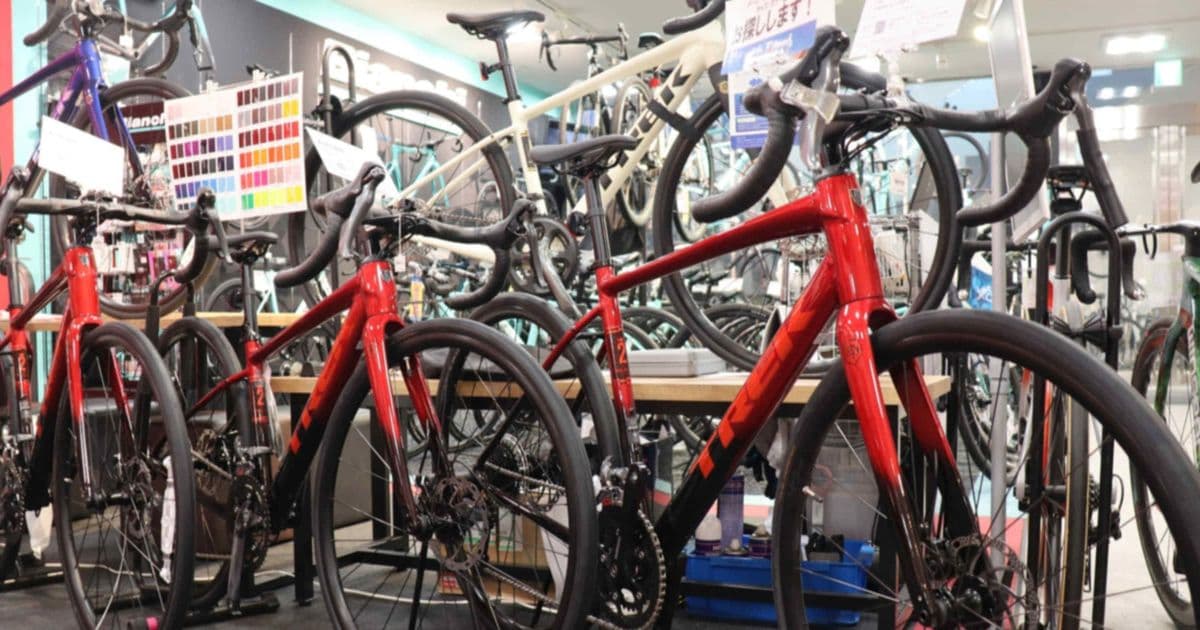
High-performance road bicycle prices in Japan have declined significantly as pandemic-fueled cycling enthusiasm wanes and Chinese manufacturers intensify competition, reshaping the premium cycling market.
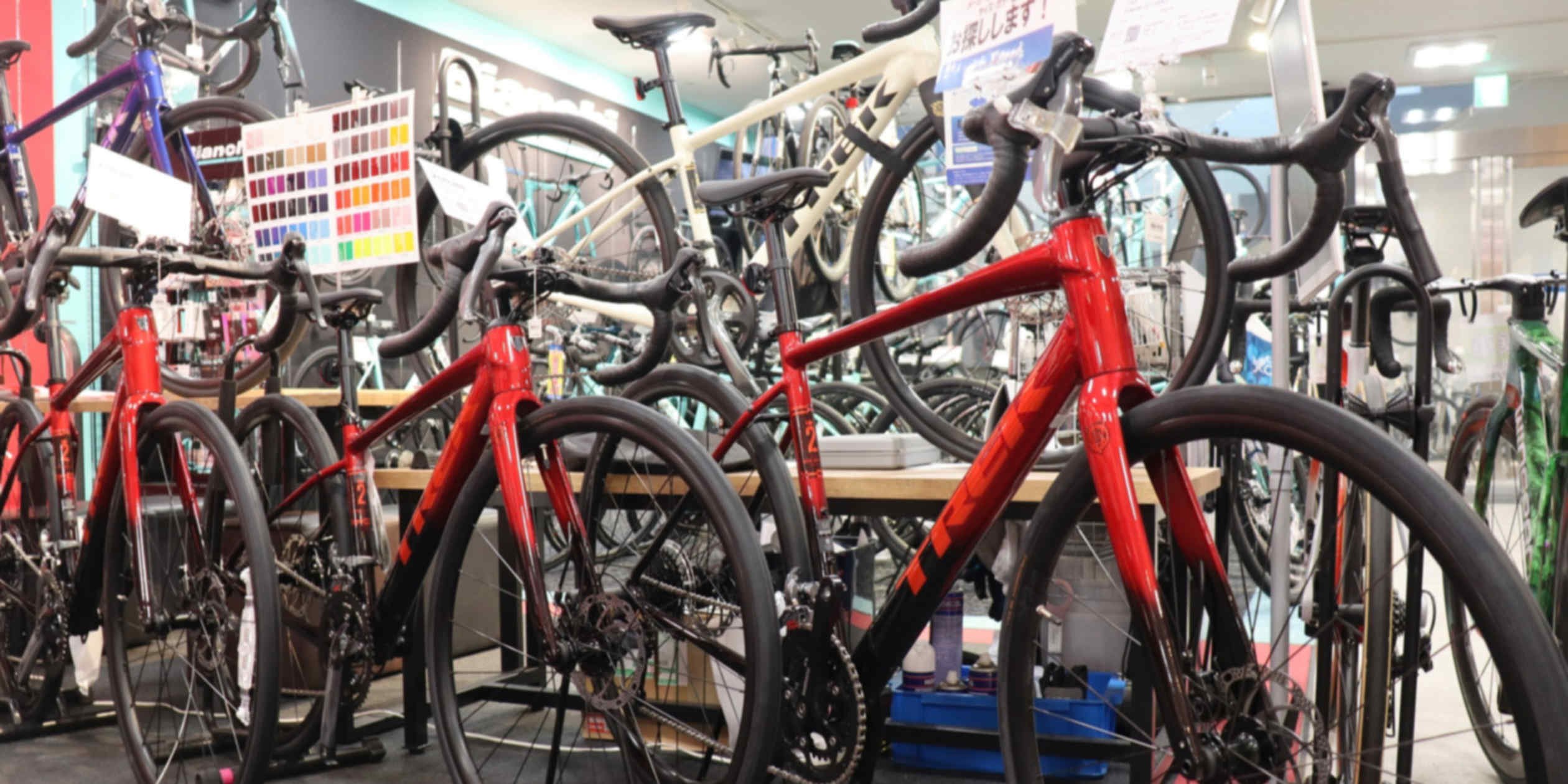
Retail prices for premium road bicycles in Japan have undergone notable reductions, reversing the surge seen during the COVID-19 pandemic. Industry data indicates price corrections of 15-30% across mid-to-high tier models from international brands, signaling a market recalibration as consumer priorities shift.
The cycling boom peaked between 2020-2023 when pandemic restrictions prompted urban Japanese residents to seek outdoor activities. Sales of road bicycles priced above ¥150,000 ($1,000) grew at 22% annually during this period according to Japan Bicycle Promotion Institute data. Manufacturers responded by expanding production capacity and introducing premium models with electronic shifting systems and carbon fiber frames.
Market dynamics shifted in 2025 as commuting patterns normalized and discretionary spending tightened. Annual sales growth slowed to 4% while inventory levels rose 18% year-over-year. Retailers now report average discounting of 25% on 2022-2023 model year bicycles, with some high-end models previously priced above ¥500,000 ($3,300) now discounted below ¥400,000 ($2,650).
Chinese manufacturers accelerated the price pressure through direct-to-consumer sales channels. Brands like Decathlon and Triban entered the Japanese market with road bicycles featuring similar Shimano component groups at 40-50% lower price points than established competitors. Online retailers further eroded margins by eliminating traditional dealership markups.
Industry implications:
- Margin compression: Major brands including Trek, Giant, and Specialized face squeezed profitability, forcing reevaluation of distribution models
- Secondary market saturation: Resale values for used bicycles have dropped approximately 35% as enthusiasts trade down
- Product segmentation: Manufacturers increasingly differentiate entry-level carbon frames from premium models with proprietary technology
- Service revenue focus: Dealers shift emphasis toward maintenance subscriptions and fitting services to offset sales declines
Market analysts project stabilization by late 2026 as excess inventory clears, but caution that pre-pandemic pricing levels won't return. The adjustment reflects broader normalization of pandemic-inflated sectors, with cycling joining home exercise equipment and gaming hardware in post-lockdown corrections.
Retail strategies now emphasize value-oriented bundles including maintenance packages and accessories. Meanwhile, Chinese manufacturers continue gaining share through aggressive pricing of electronic groupsets previously exclusive to premium brands. This price realignment makes performance cycling more accessible while forcing established players to innovate beyond materials science toward integrated digital ecosystems.
Comments
Please log in or register to join the discussion