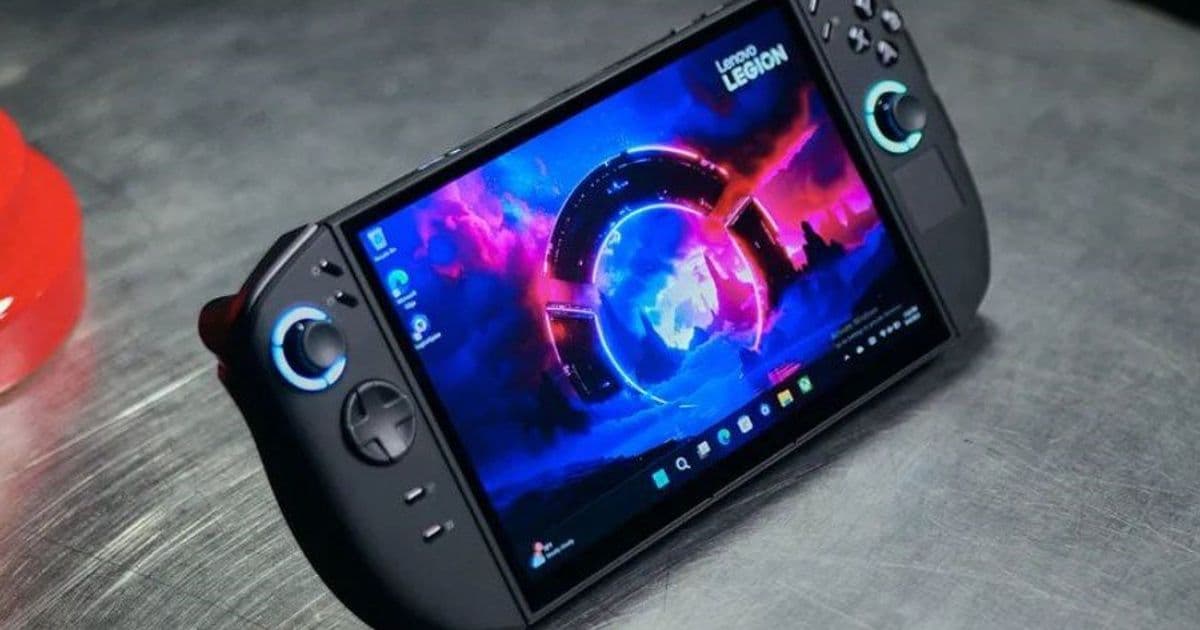
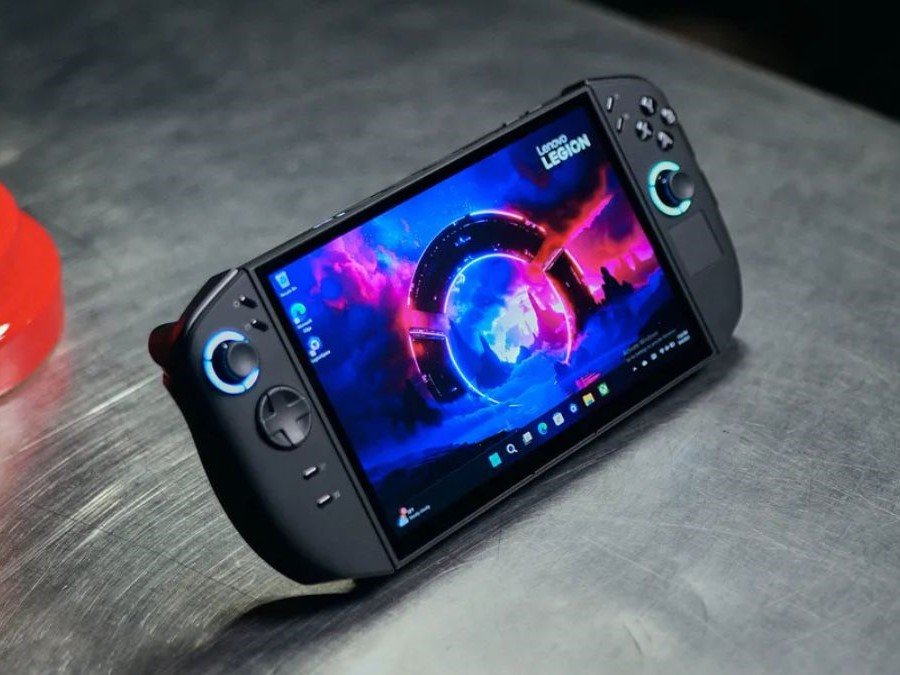
Lenovo's Legion Go 2 handheld gaming PC has seen its price jump from $1,350 to $2,000 in just months, with the latest $150 increase attributed to the ongoing memory shortage affecting the tech industry.
The Lenovo Legion Go 2, launched in September 2025 with a $1,350 starting price, has undergone yet another price increase, pushing the handheld gaming PC to a staggering $2,000. This latest hike of $150 brings the total price increase to $650 since its initial release, representing a nearly 50% jump in just a few months.
Currently listed on Best Buy at $1,999, the device is marked as unavailable with no clear indication of when it will return to stock. Meanwhile, B&H Photo still offers the handheld at $1,849.99, though this lower price likely reflects older inventory that may soon be depleted.
The dramatic price escalation stems from the ongoing memory crisis plaguing the tech industry. The cost of essential components like RAM and storage has surged dramatically due to unprecedented demand from AI data centers and other high-performance computing applications. This component shortage has forced manufacturers across the industry to either increase prices or delay product launches until market conditions stabilize.
For perspective, the Legion Go 2's price trajectory looks like this:
- Original MSRP: $1,350 (September 2025)
- Previous price: $1,850
- Current price: $2,000
- Total increase: $650 (48%)
The handheld gaming market has become increasingly competitive, with devices like the Steam Deck, ASUS ROG Ally, and various other Windows-based handhelds vying for consumer attention. At $2,000, the Legion Go 2 now sits at the premium end of the spectrum, competing more directly with high-end gaming laptops than with other handhelds.
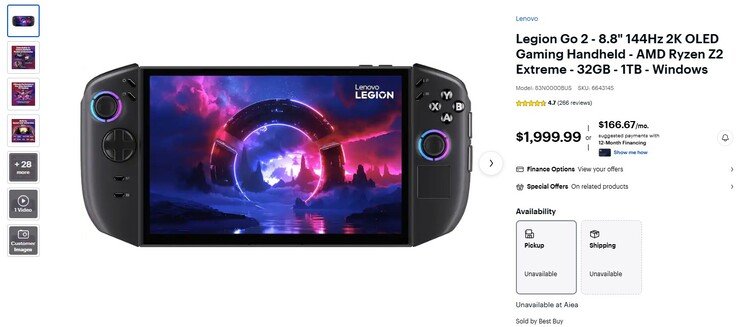
Lenovo's Legion Go 2 features AMD's Ryzen Z2 Extreme processor, a 8.8-inch QHD+ display with 144Hz refresh rate, and Legion Space software for optimized gaming performance. The device was positioned as a premium option in the handheld gaming market, but the price increases may push it beyond what many consumers consider reasonable for a portable gaming device.
The memory shortage affecting the entire tech industry shows no immediate signs of resolution. Industry analysts predict that component prices may remain elevated through 2026 as demand from AI infrastructure continues to outpace supply. This situation has already led to price increases across various product categories, from smartphones to laptops to gaming hardware.
For potential buyers, the current situation presents a dilemma. Those who were considering the Legion Go 2 at its original price point may find the $2,000 asking price difficult to justify, especially given the availability of competing devices at lower price points. However, the device's premium specifications and build quality may still appeal to enthusiasts willing to pay for top-tier performance in a portable form factor.
The unavailability on Best Buy suggests that retailers may be reassessing their inventory strategies in light of the price increases. Some retailers might be waiting to see how the market responds to the new pricing before restocking, while others may be negotiating with Lenovo for different pricing or promotional strategies.
As the tech industry continues to grapple with component shortages and price volatility, consumers can expect to see similar pricing adjustments across various product categories. The Legion Go 2's price journey serves as a stark example of how quickly and dramatically prices can change in response to supply chain pressures, particularly in the gaming hardware segment where component costs directly impact the final product price.
Whether the $2,000 price point will prove sustainable for the Legion Go 2 remains to be seen. If memory prices eventually stabilize, Lenovo may need to reconsider its pricing strategy to remain competitive in the handheld gaming market. Until then, the Legion Go 2 stands as one of the most expensive handheld gaming devices available, reflecting both its premium positioning and the challenging market conditions affecting the entire tech industry.
Comments
Please log in or register to join the discussion