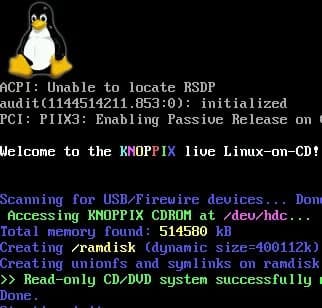
The Linux 7.0 kernel will introduce Kconfig options for compile-time boot logo replacement, eliminating manual patching requirements while maintaining the default Tux penguin.
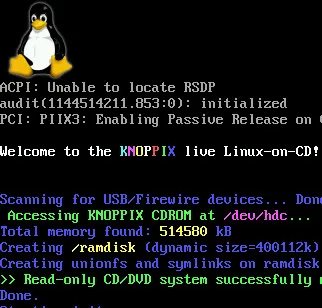
The Linux kernel's iconic Tux penguin boot logo has been a fixture during system initialization for decades, but Linux 7.0 brings fundamental changes to how this graphical element can be customized. Linus Torvalds merged code this weekend enabling developers and system builders to replace the default boot logo at kernel compile time through standardized Kconfig configuration options. This eliminates the previous requirement for manual source patching when substituting Tux with custom branding or hardware vendor logos.
Under the new implementation, kernel maintainers specify alternative logos by providing a path to a PPM (Portable Pixmap) image file during the build configuration phase. The framework supports both monochrome and 224-color logo formats, maintaining compatibility with existing display hardware constraints. While the default Tux remains unchanged, distributions building specialized images - such as embedded systems manufacturers, enterprise Linux vendors, or security-focused projects - can now implement custom branding without maintaining downstream patches.

Technical implementation details reveal the logo substitution occurs during the kernel's make process. When the CONFIG_LOGO option is enabled (default: yes), the new CONFIG_LOGO_CUSTOM_PPM_PATH variable points to the replacement PPM file. Build systems automatically convert this image into the necessary logo.c and logo.h files during compilation. This approach preserves the existing logo rendering infrastructure in drivers/video/logo/ while abstracting the source image handling.
The change coincides with broader framebuffer (FBDEV) subsystem updates, including the removal of the obsolete Microsoft Hyper-V framebuffer driver. This driver has been superseded by the more capable Hyper-V DRM driver, which better handles modern display requirements and GPU acceleration. These FBDEV improvements were part of the same pull request Torvalds merged for the upcoming Linux 7.0 release.
For homelab enthusiasts and custom kernel builders, this modification simplifies creating purpose-built images. A Raspberry Pi cluster requiring distinct boot identifiers per node can now implement unique logos through standard build configurations. Performance implications are negligible since logo rendering occurs before main system initialization, though users should verify color depth compatibility with their display controllers. The Linux 7.0 merge window remains open until mid-March, with the stable release scheduled for April 2026. Reference implementations for compatible PPM files are available in the kernel source tree under drivers/video/logo/.
Comments
Please log in or register to join the discussion