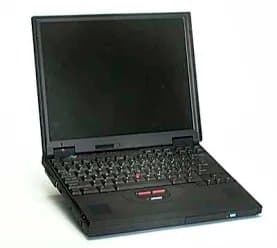
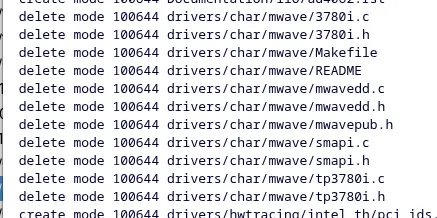
Linux 7.0 has removed the obsolete Mwave driver for 3780i ACP Modems found in Pentium II era IBM ThinkPads, eliminating over 2,600 lines of code that hasn't been relevant for decades.
Linux 7.0 has finally retired the IBM Mwave ACP Modem driver, removing support for a piece of hardware that hasn't been relevant since the late 1990s. The driver, which supported the 3780i ACP Modem found in select Pentium II era IBM ThinkPads, has been part of the kernel for over two decades but was finally removed in the latest kernel release.
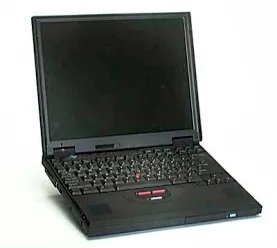
The Mwave driver was originally written by IBM for ThinkPad models including the 600E, 600, and 770 series. These laptops featured the 3780i ACP Modem, which provided 56K connectivity - cutting-edge technology for its time. The driver consisted of more than 2,600 lines of kernel code that has been maintained through countless kernel releases despite the hardware being obsolete for years.
According to the removal patch, anyone still using one of these vintage ThinkPads has better options available. The patch notes that these laptops feature an RS-232 port, allowing users to connect an external modem if they absolutely need dial-up connectivity. This is a practical suggestion, as the original Mwave hardware is not only slow by modern standards but also increasingly difficult to maintain.
The removal of the Mwave driver was part of the char/misc pull request for Linux 7.0, which included several other driver updates. These updates encompassed IIO driver improvements, GPIB updates, i3c driver updates, and enhancements to both the Binder C and Rust drivers. The Mwave removal represents a broader trend in the kernel development community of eliminating obsolete code that no longer serves a practical purpose.
This cleanup is significant for several reasons. First, it reduces the kernel's maintenance burden - every line of code requires testing, documentation, and consideration during development. Second, it eliminates potential security vulnerabilities in code that's no longer being actively developed or tested. Third, it serves as a reminder of how far technology has progressed since the 1990s.
The ThinkPad 600E, one of the machines that used this modem, was released in 1998 and featured a 366MHz Pentium II processor, up to 256MB of RAM, and a 12.1-inch display. At the time, the Mwave modem was a sophisticated piece of hardware that integrated audio and modem functionality. Today, these machines are primarily of interest to vintage computing enthusiasts and collectors.
For those interested in the technical details, the original Mwave driver was notable for its complexity. It wasn't just a simple modem driver - it handled the Mwave digital signal processor that managed both audio and modem functions. The driver included support for various audio features, voice capabilities, and the modem functionality that made these ThinkPads versatile multimedia machines for their era.
The removal of the Mwave driver is part of a larger pattern in Linux kernel development where maintainers periodically audit and remove obsolete drivers. This practice helps keep the kernel lean and maintainable while ensuring that development resources are focused on supporting current and relevant hardware. It's a practical approach that balances the kernel's need to support legacy systems with the realities of limited development resources and the rapid pace of technological change.
While some might view the removal of any driver as a loss, in this case, it's simply acknowledging that the Mwave modem has reached the end of its useful life in the Linux ecosystem. The driver served its purpose well for many years, but like all technology, it eventually became obsolete. Its removal from Linux 7.0 marks the end of an era for one of the more interesting pieces of laptop hardware from the 1990s.
Comments
Please log in or register to join the discussion