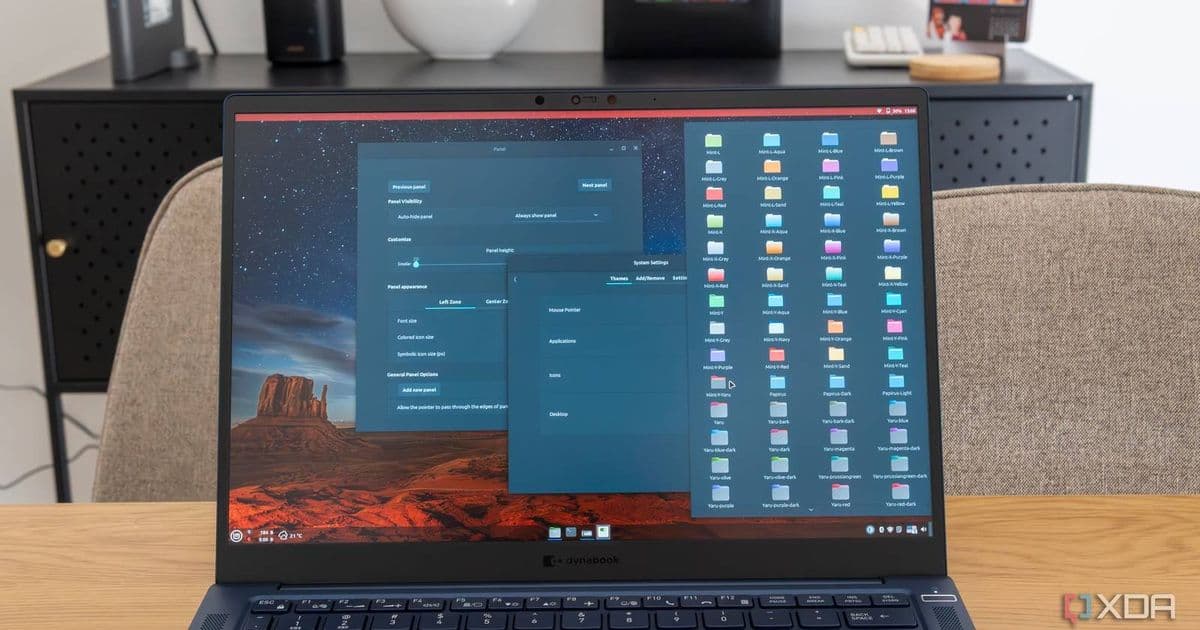
Linux Mint's potential shift toward fewer annual updates prioritizes stability and user experience over rapid feature changes, aligning with its core philosophy for desktop computing.
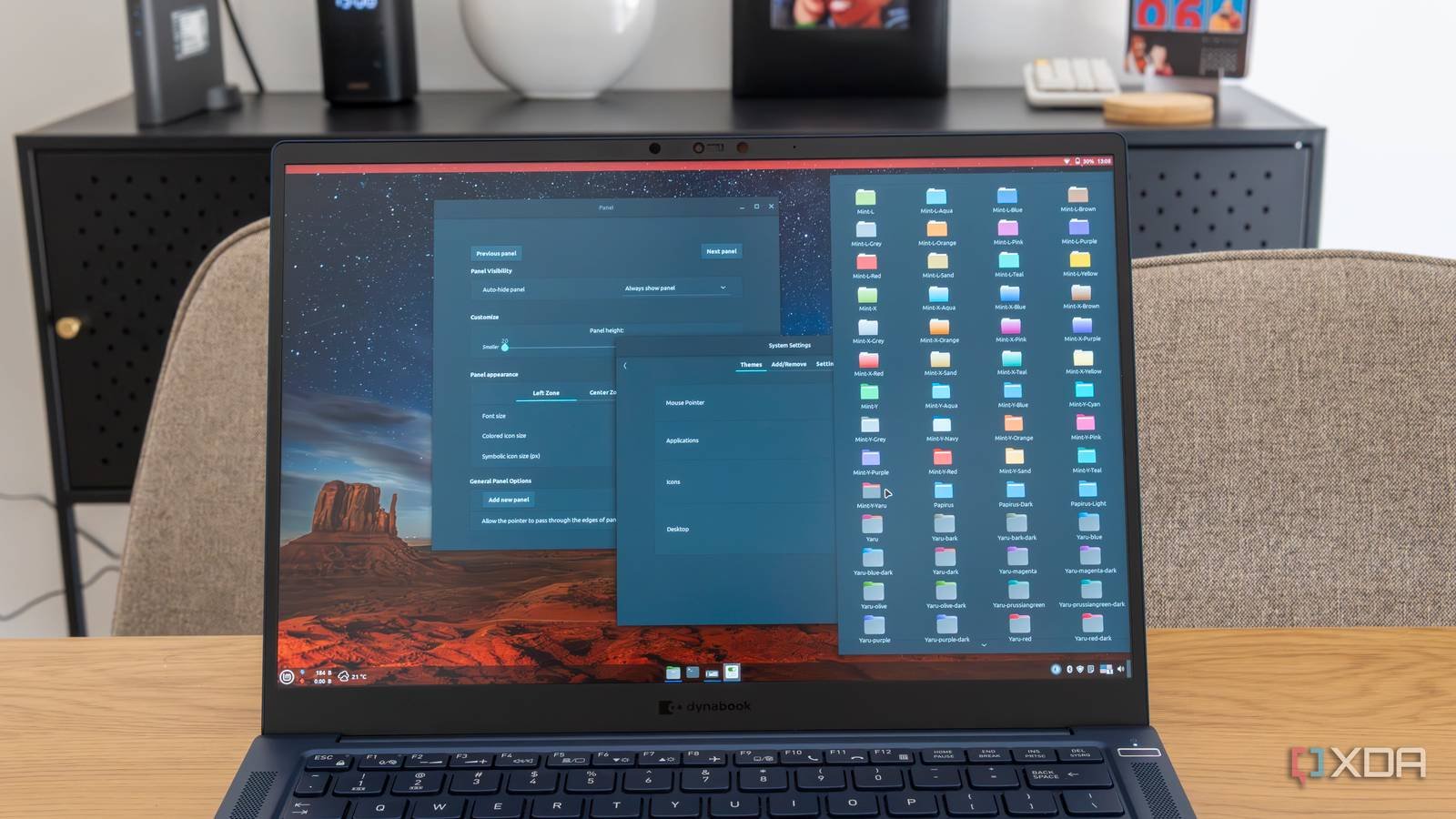
Linux Mint, the Ubuntu-based distribution renowned for its user-friendly approach to desktop computing, is considering a significant change to its release strategy. Recent discussions within the development team suggest a move toward fewer major updates per year—a decision that might initially surprise users accustomed to frequent software revisions. However, this potential shift represents a deliberate philosophical stance prioritizing system stability and predictability over rapid feature iteration.
Unlike rolling-release distributions like Arch or Fedora's Rawhide, Linux Mint traditionally follows a structured release cycle built upon Ubuntu's Long Term Support (LTS) foundations. Currently, Mint delivers regular updates including desktop environment improvements, application upgrades, and hardware support enhancements through its Update Manager. These updates typically arrive several times throughout the year alongside critical security patches.
The proposed change wouldn't eliminate these essential security updates—which will continue arriving as needed—but would reduce the frequency of major packages and desktop environment updates. Clement Lefebvre, Linux Mint's lead developer, outlined the rationale behind this potential shift: "Our priority is delivering a stable, reliable desktop environment where users don't feel forced into disruptive changes. Fewer major updates mean less testing overhead for our team, fewer unexpected regressions for users, and more focus on polishing existing functionality rather than chasing constant change."
This approach directly serves Linux Mint's primary user base: those seeking a dependable daily driver without the turbulence often associated with bleeding-edge distributions. For developers targeting Linux desktop applications, this stability offers advantages:
- Reduced Maintenance Burden: Applications require fewer compatibility adjustments between major DE or toolkit updates.
- Predictable Environment: Targeting a more stable base simplifies testing matrices and support timelines.
- Extended Hardware Compatibility: Less frequent major kernel updates decrease the risk of regressions on older or specialized hardware.
Comparisons with other distributions highlight Mint's distinct positioning:
- Ubuntu LTS: While Mint uses Ubuntu LTS as a base, it traditionally provides more frequent desktop updates than Ubuntu's strict point-release approach. This change would bring Mint closer to Ubuntu's stability focus.
- Fedora Workstation: Known for frequent releases (approximately every 6 months) with newer software versions, catering to users wanting faster access to innovations.
- Rolling Releases (Arch, openSUSE Tumbleweed): Provide continuous updates, offering the latest software but requiring more user vigilance.
Potential concerns center on delayed access to new features and technologies. However, Mint's strategy mitigates this by allowing users to manually install newer kernels or selectively enable backports for specific packages via the Update Manager. Security updates remain unaffected—they are delivered independently and promptly regardless of the major update schedule.
The Linux Mint community's reaction has been largely pragmatic. Forum discussions acknowledge that Mint's strength lies in its reliability for non-technical users and productivity-focused environments. As one long-time user commented: "I chose Mint precisely because it doesn't break every few months. If slower updates mean fewer surprises when I boot up on Monday morning, that's a worthwhile trade-off."
For developers deploying applications on Linux desktops, Mint's trajectory reinforces its role as a stable target platform. Tools like Flatpak and Snap further bridge any potential gap in accessing newer application versions independently of the base system updates.
Ultimately, this potential reduction in update frequency isn't about stagnation but focus. It reaffirms Linux Mint's commitment to its foundational principles: providing a polished, consistent, and hassle-free desktop experience where the operating system facilitates work rather than demanding constant attention. In a landscape often dominated by rapid change, Mint's deliberate pace offers a compelling alternative for users and developers valuing long-term reliability.
Comments
Please log in or register to join the discussion