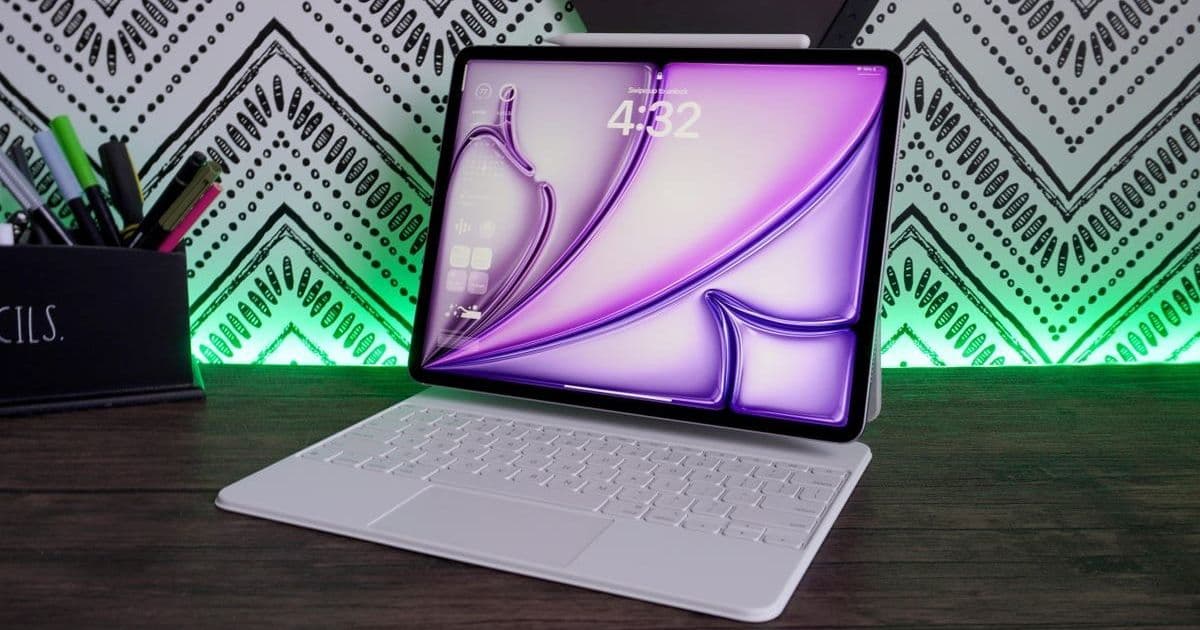
Amazon's limited-time $100 discount on the M3-powered iPad Air brings it down to $499, making Apple's performance-focused tablet an unprecedented value proposition. With benchmarks showing 17% faster processing and new Apple Intelligence features, this device reshapes the laptop-tablet convergence debate for developers and creatives.
The Shifting Sands of Mobile Computing: M3 iPad Air at $499
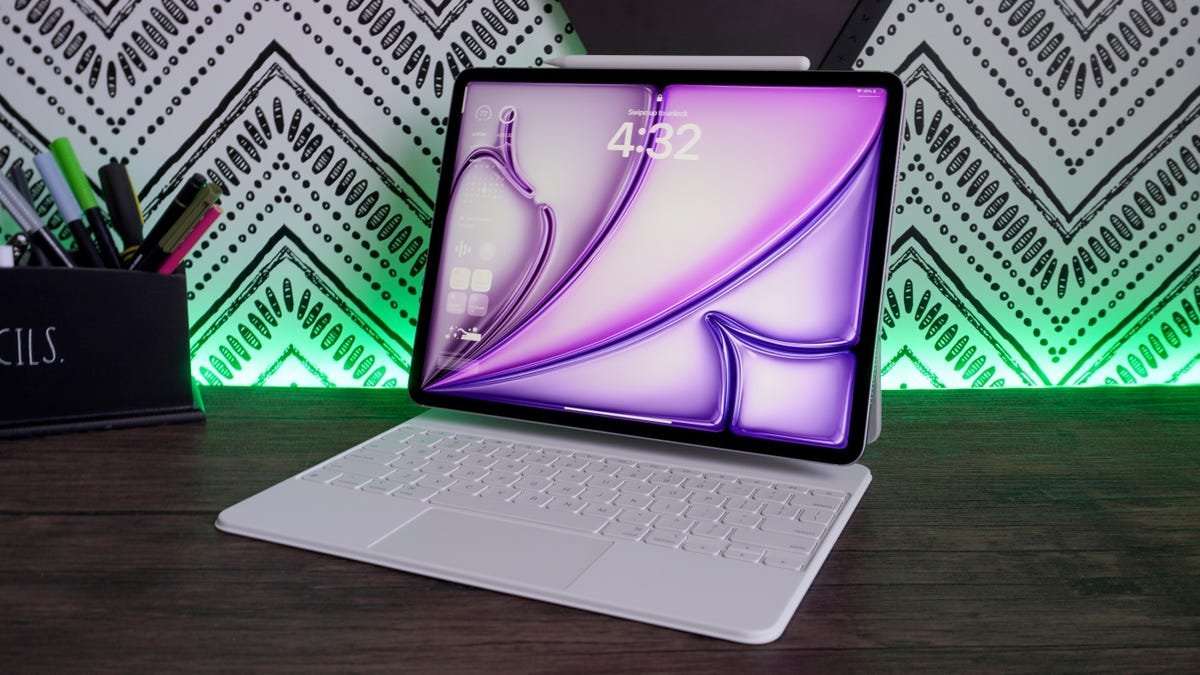
In a rare move for Apple hardware outside major sales events, Amazon has slashed prices on the latest iPad Air with the M3 chip, offering up to $100 off select configurations. The entry-level 128GB Wi-Fi model now sits at $499—a price point that aggressively positions this powerhouse tablet as a legitimate laptop alternative. As reported by Cesar Cadenas for ZDNET, this discount surfaces amid growing evidence that Apple's tablet ecosystem is steadily eroding traditional computing boundaries.
Inside the Deal: Configurations and Caveats
The discount applies unevenly across models: while Wi-Fi versions see the full $100 reduction, cellular variants receive only $65-$70 off. Key configurations include:
- 128GB Wi-Fi (Purple/Space Gray/Blue/Starlight): $499 (down from $599)
- 256GB Wi-Fi: $649 (down from $749)
- 128GB Cellular: $729 (down from $799)
AppleCare+ adds approximately $70+ to the cost, and inventory fluctuates rapidly—a reminder that such Apple discounts remain scarcity-driven events. As ZDNET's deal rating system notes, this earns a modest 2/5 rating due to its selective availability, yet stands out in a landscape where iPad sales remain infrequent.
Why This Tablet Demands Developer Attention
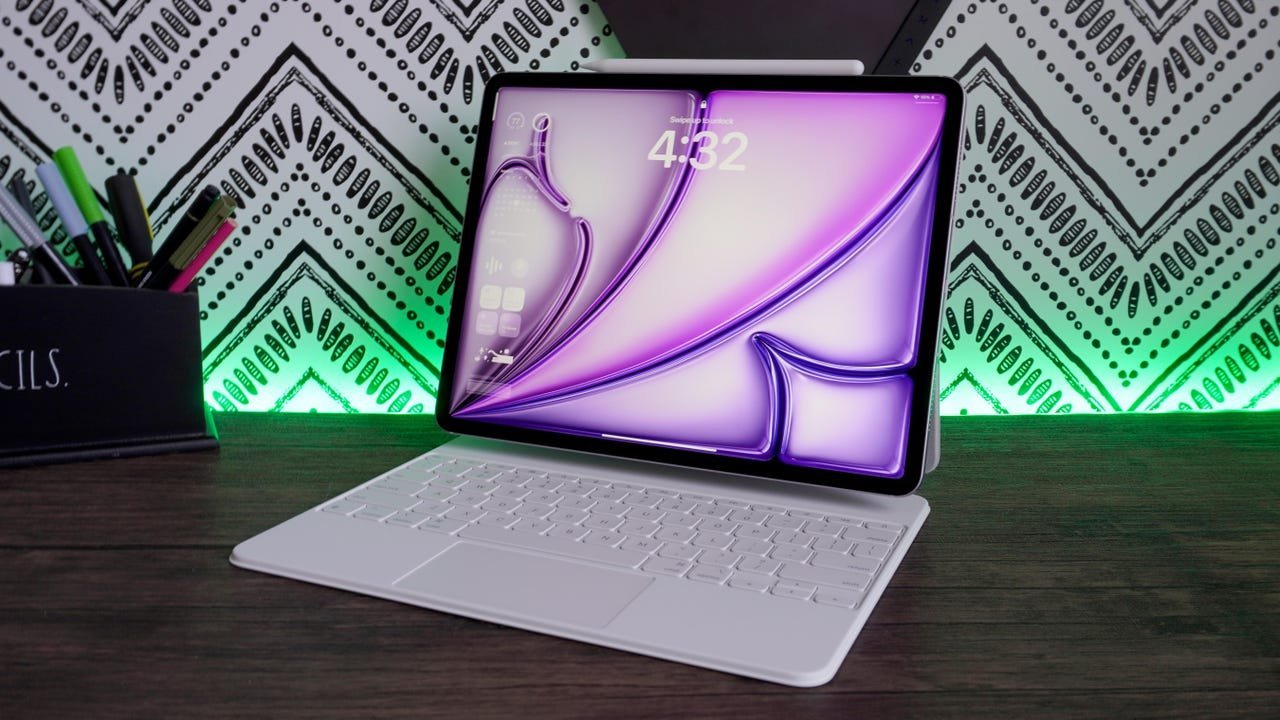 Maria Diaz/ZDNET
Beneath the deal lies a technical evolution: Apple's M3 chip delivers roughly 17% faster CPU/GPU performance over its predecessor, transforming workflows. As ZDNET's Maria Diaz observed during testing, this isn't just incremental—it enables tangible gains in multitasking, 3D rendering, and app compilation. When paired with the Magic Keyboard, the iPad Air morphs into a 1-pound workstation that outperforms many ultraportables while offering superior battery efficiency.
The inclusion of Apple Intelligence features further blurs lines between tablet and laptop:
- Writing Tools: AI-assisted text generation and document summarization
- Image Playground: On-device image creation for rapid prototyping
- Enhanced Siri: Context-aware responses for technical queries
For developers, this ecosystem means Xcode Cloud integration, Terminal access via SSH, and Swift Playgrounds can now run on hardware that slips into a backpack with negligible weight—challenging the necessity of bulkier MacBooks for on-the-go coding.
The Bigger Picture: Tablets as Primary Machines
This price drop arrives as tablets increasingly cannibalize laptop sales. The iPad Air's M3 chip—identical to Apple's entry-level MacBook Air—demonstrates a deliberate engineering alignment. Lightweight frameworks like SwiftUI now enable complex apps to run seamlessly across iOS and macOS, reducing the friction for developers targeting hybrid workflows. Security teams should note too: the iPad's sandboxed environment and regular OS updates offer inherent advantages over traditional PCs in vulnerability management.
Yet limitations persist. As Diaz notes, while the iPad Air excels at content creation and light development, it lacks macOS's deep terminal access and multi-monitor support—hurdles for hardcore coders. The discount, therefore, shines brightest for:
- Front-end developers needing portable design-to-code iteration
- DevOps engineers managing cloud services via browser-based consoles
- Academics/researchers leveraging tablet-optimized data visualization tools
In essence, this isn't just a sale—it's a strategic inflection point. At $499, Apple signals that the tablet, armed with desktop silicon and AI, is no longer a companion device but a centerpiece in the productivity arsenal. For technical professionals weighing mobility against power, that math just got compelling.
Comments
Please log in or register to join the discussion